Really Stuffy
O’zapft is
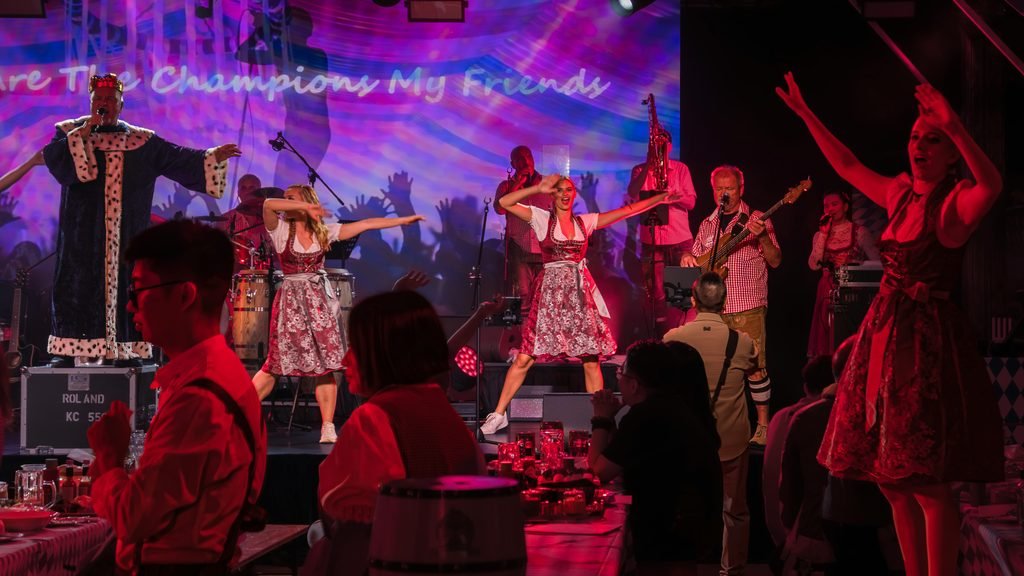
Soon it will be “O’zapft is!” (it’s tapped in Bavarian dialect of German language) again in Munich, and dirndls and lederhosen will be brought out. After the most important question, “Is it still acceptable?”, the second one arises: “Is that still acceptable?”
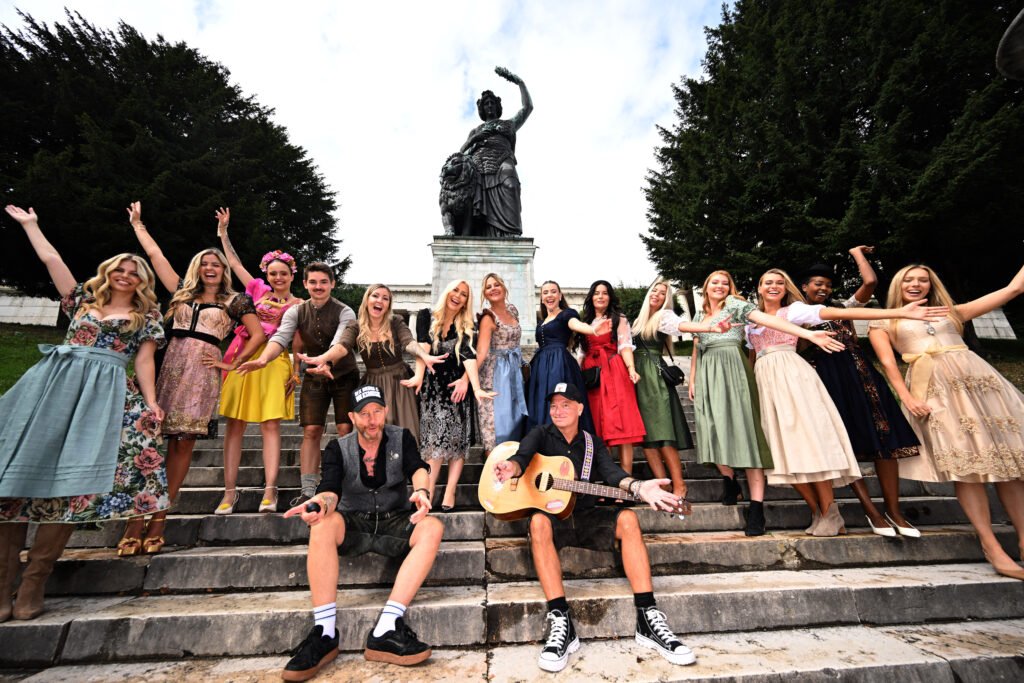
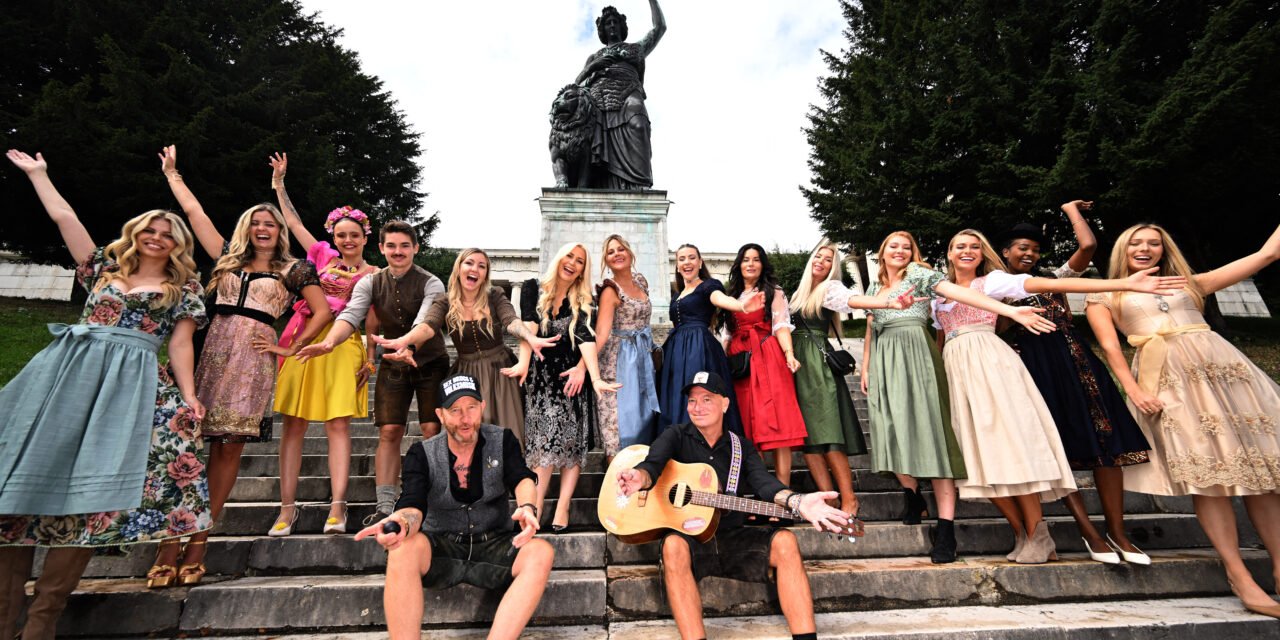
Dirndls are getting (even) longer – and more traditional. Red, green, or brown tones are in vogue. And stay away from sneakers. That’s how traditional clothing experts summarise this year’s trend.
Traditional clothing is once again very much oriented towards traditional models. The word “old-fashioned” has also been used several times.
This applies to colours and shapes,” says Thomas Appl, district heritage officer in the Upper Palatinate.
Dirndls go Below the Knee
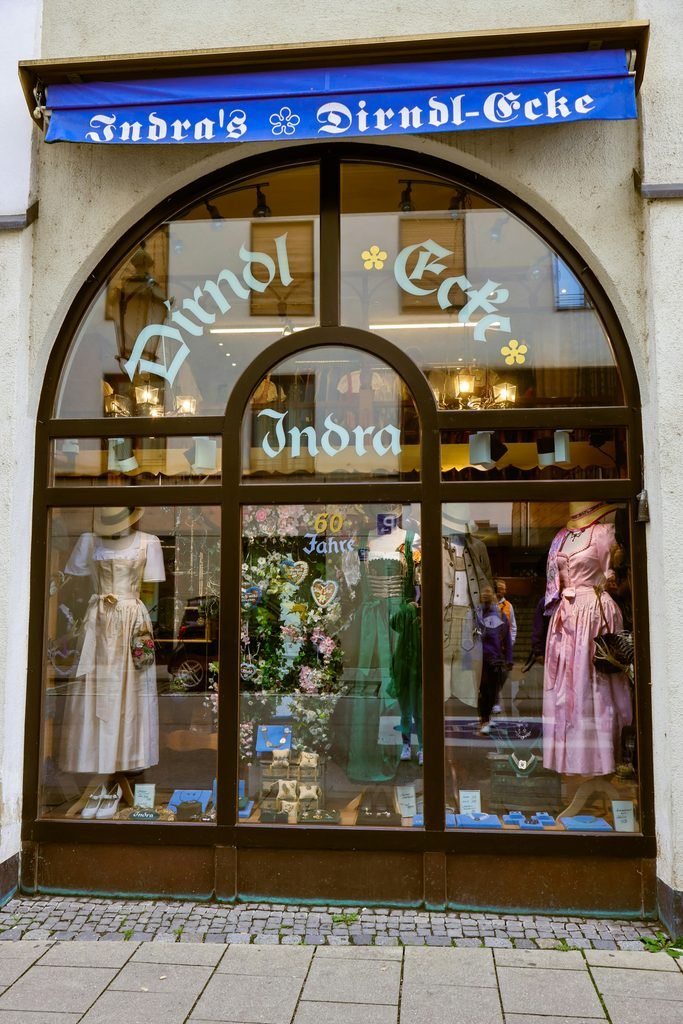
“Virtually all dirndls are knee-length, and many are high-necked. A decade ago, many young women who wore dirndls would probably have called that ‘really stuffy.'” Cheap dirndls like the ones that filled the pop-up shops around Munich’s main train station a few years ago are hardly ever seen anymore.
According to Axel Munz, managing director of the traditional clothing company Angermaier, red and green tones are the dominant colours for women’s dirndls this year. Rainer Wenrich, art and fashion expert from the Catholic University of Eichstätt, sees “beautiful long dirndls” in muted green, “apple and also olive,” in earthy tones, “some elegant pastel, vanilla, a touch of berry.”
“Tone-on-Tone”
The tone-on-tone look is very prominent. “The blouse (with subtle puff and ruffled sleeves) is also coordinated to match, overall, an elegant traditional look. All of this is done in high-quality materials, including linen, velvet, corduroy, and matte-finish silk.”
“Dirndls and blouses with flutter sleeves, some of which are detachable, are popular,” says Angermaier managing director Munz. According to him, lace is trending, as is velvet embroidered with gentians or edelweiss. He also notes, “Besides the midi lengths of 65 and 70 centimeters, models with lengths of 75 and 80 centimeters are becoming increasingly popular.”
Tying Silk Scarves
Alexander Wandinger, from the traditional costume advisory service at the Upper Bavarian District Heritage Preservation Office, sees an even more innovative fashion trend: “A lovely new idea is to incorporate high-quality silk scarves into the apron bow,” he says. “This also works if the apron tie is fastened with a clasp at the back, and the silk scarf then serves as a bow and eye-catcher.”
And the Men?
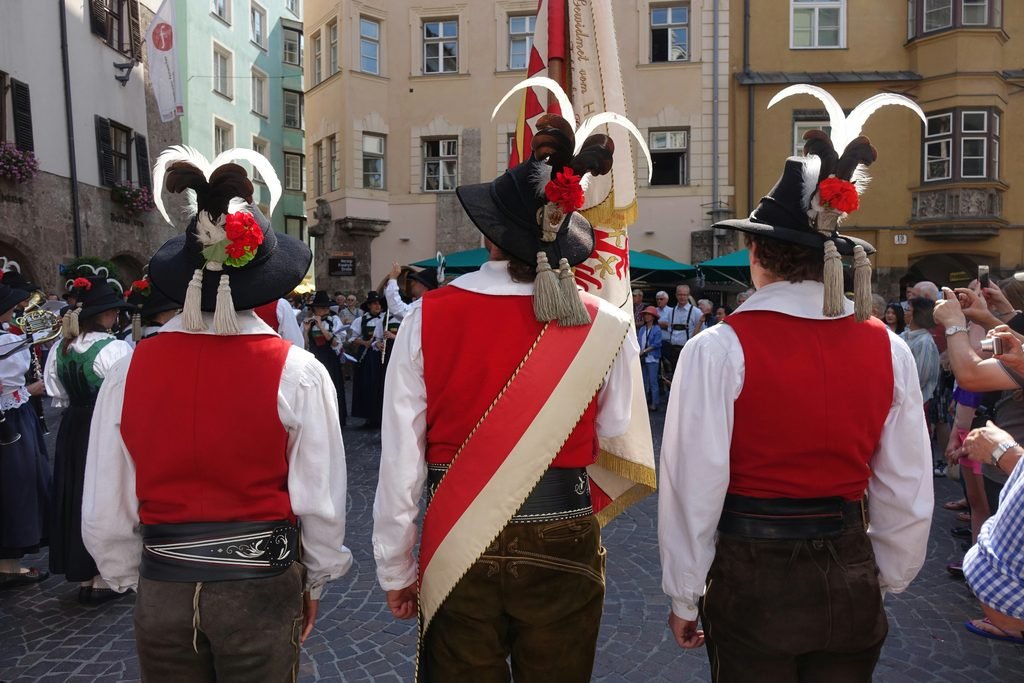
“Among men, even in Munich, there’s a growing trend of mixing particularly beautiful, original historical traditional costumes,” says Wandinger. Angermaier CEO Munz considers “no-gos” to be “tennis socks with lederhosen, poorly fitting lederhosen that look baggy, short-sleeved shirts, and lederhosen made of plastic.”
Influencer and Oktoberfest-goer Cathy Hummels describes the no-gos for men and women as follows: “My biggest no-go is dressing up for Oktoberfest. Traditional dress is not a costume. You can be fashionable and daring, but for me, the look should always retain a certain quality.”
District heritage officer Appl, meanwhile, with an eye on the Gäubodenfest in Straubing, encourages all those who don’t feel like dressing up in traditional costume for the Oktoberfest: “What I find striking overall is that the ‘uniformisation,’ meaning that a few years ago one had the impression that traditional dress was mandatory at folk festivals and a prerequisite for entering a beer tent, is finally over.”
Source: Munich (dpa)