Founder and Chief Vision Officer, The Catalyst
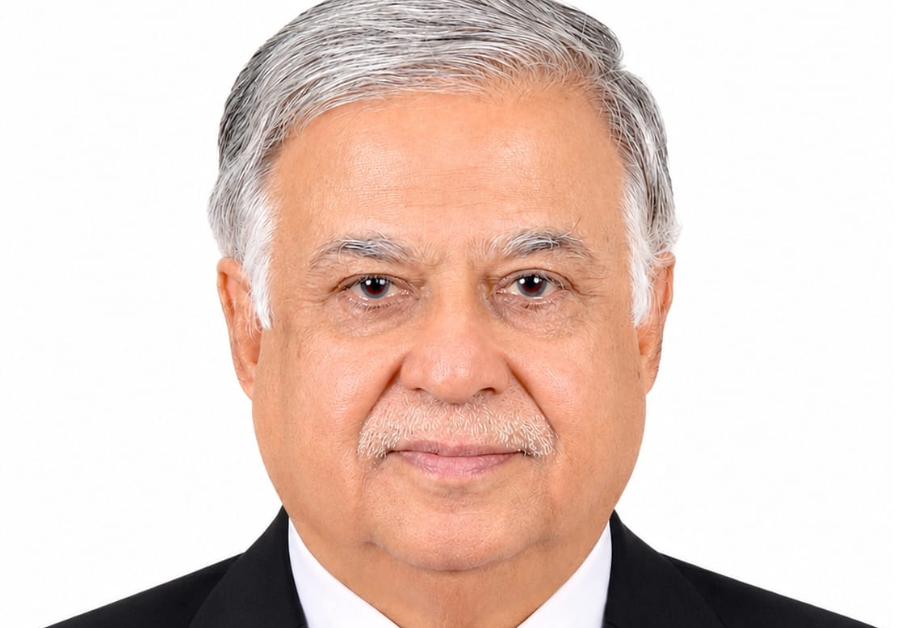
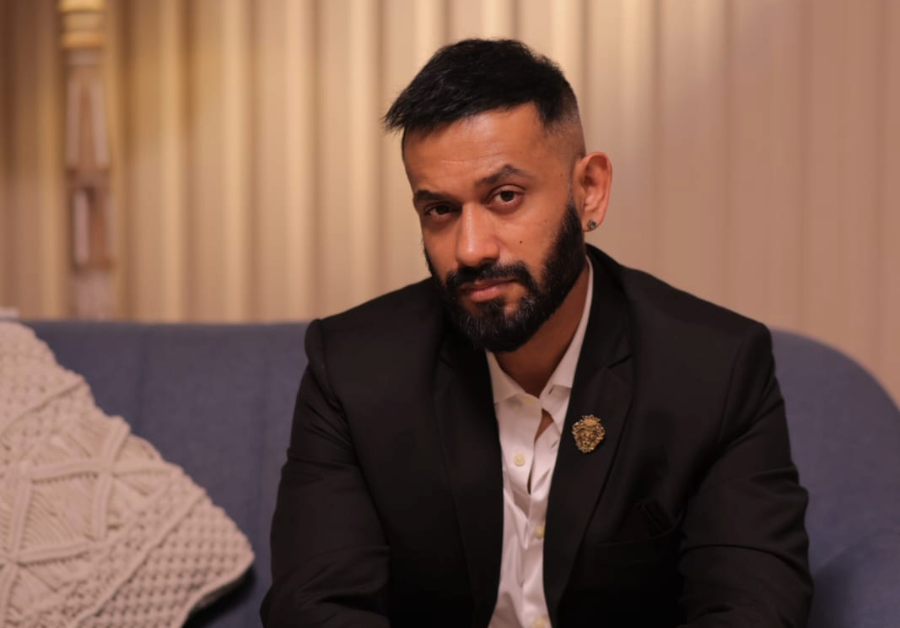
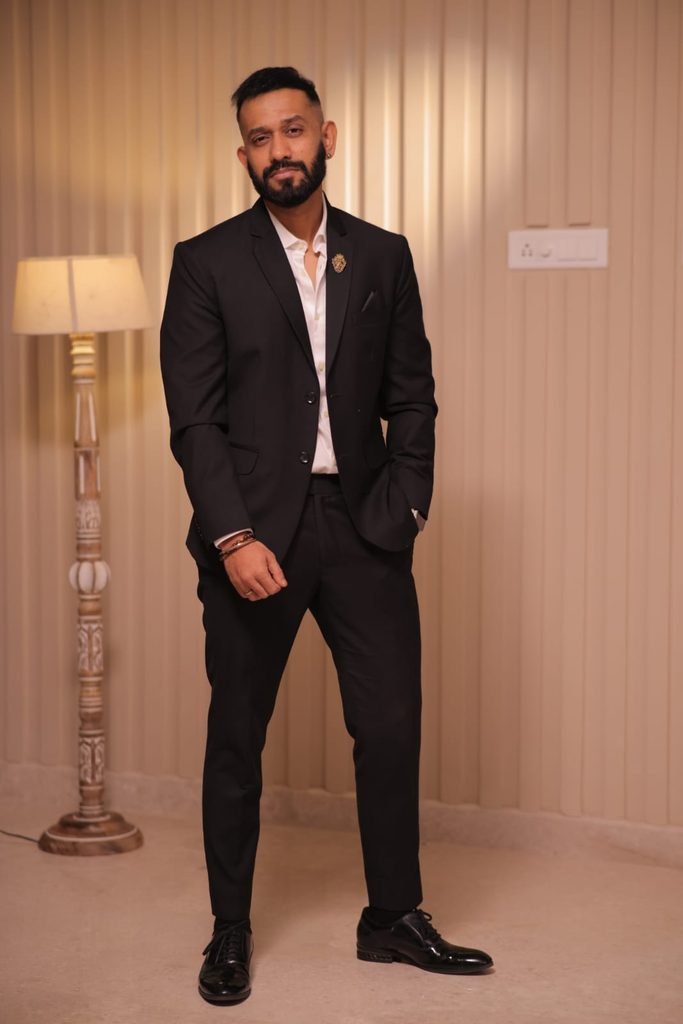
Etienne Marques is the Founder and Chief Vision Officer of The Catalyst, a brand relations and communications agency operating at the intersection of fashion, beauty, luxury, lifestyle, and culture.
With nearly two decades of experience in the communications industry, Etienne has been instrumental in shaping brand narratives and building meaningful cultural relevance for names including Bumble India, HRX, Kama Ayurveda, Aminu, Comet, and several others.
Having built The Catalyst into a dynamic agency with a diverse portfolio of Indian and international brands, his approach to communications extends beyond conventional publicity. He believes in the power of relationships, authentic storytelling, and the importance of building brands that resonate with evolving consumer identities.
As an entrepreneur and leader, Etienne advocates consistency, emotional intelligence, individuality, and a more progressive understanding of success.
This International Men’s Day, he offers WWeaV, a perspective on the evolving definition of masculinity, the pressures men continue to navigate, and why the future demands a more inclusive, emotionally aware understanding of what it means to be a man.
The Cultural Shift
Having shaped narratives for brands across lifestyle, grooming, and wellness for two decades, how has the cultural script around Indian men evolved, and what outdated stereotypes are we still holding onto?
I think the most significant shift is that masculinity is no longer being defined by a singular set of expectations.
For the longest time, Indian men were conditioned to subscribe to a fairly rigid definition of masculinity. You were expected to be the provider, the decision-maker, the emotionally resilient individual who rarely expressed vulnerability.
Today, that narrative is gradually evolving. Men are becoming increasingly comfortable investing in themselves, whether through grooming, fashion, wellness, emotional well-being, or personal expression. There is a greater willingness to embrace individuality without feeling the need to justify it.
From a communications perspective, we’ve witnessed brands move away from stereotypical portrayals of masculinity towards narratives that celebrate authenticity, self-expression, and individuality.
However, I believe one of the biggest stereotypes we continue to perpetuate is that a man’s worth is directly proportionate to his professional success, financial standing, or ability to remain emotionally unaffected.
Visibility vs. Substance
Your agency philosophy is that “visibility alone isn’t enough.” Applied to modern masculinity, where are men getting performative attention today, and where are their real struggles being overlooked?
One of the things I’ve learned through my work is that visibility and relevance are two very different things. And interestingly, I think the same principle applies to masculinity.
We’re witnessing an unprecedented amount of conversation around the modern man. There’s considerable attention being given to how men dress, groom themselves, build their careers, maintain their fitness, and project success.
While these conversations are important, they often address the external expression of masculinity rather than the internal realities of being a man.
What we don’t discuss nearly enough is the emotional isolation that many men experience.
The pressure to provide, the fear of professional failure, the inability to articulate vulnerability, and the expectation to remain composed even when things are falling apart are all realities that deserve far greater attention.
Social media has also created an environment where success is constantly being measured, compared, and displayed. It can create an illusion that everyone else has figured life out.
Real progress will happen when we begin celebrating emotional honesty with the same enthusiasm with which we celebrate professional achievement.
The Unspoken Burden
We often talk about the “Modern Day Karna”, about men who quietly shoulder immense duty and pressure without asking for help. As a founder, how do you navigate that weight, and what traditional ideas of “male strength” did you leave behind when building The Catalyst?
Entrepreneurship teaches you a great deal about responsibility, but perhaps even more about yourself.
When you’re building something from the ground up, there is an inherent sense of accountability. You’re responsible not just for your own ambitions, but also for the livelihoods, aspirations, and professional growth of the people who have chosen to build that vision alongside you.
And that responsibility is something I take very seriously.
There are moments when things are incredibly rewarding, and equally, there are periods of uncertainty, difficult decisions, and enormous pressure.
Earlier in my journey, I probably subscribed to the idea that being a strong leader meant having all the answers and carrying every responsibility myself.
Over time, I’ve come to understand that this isn’t necessarily strength. Sometimes, it’s simply an unsustainable expectation we place upon ourselves.
One of the biggest lessons entrepreneurship has taught me is that strength isn’t about how much pressure you can silently endure. It’s about how intelligently you navigate that pressure.
I’ve learned the importance of trusting my team, delegating responsibilities, seeking perspective, and acknowledging that I don’t always have every answer.
I also believe consistency is incredibly underrated. There will always be difficult periods, and there will be moments when you become comfortable. But you have to remember the discipline and hard work that brought you to where you are.
Ultimately, I don’t think leadership requires you to be invincible. It requires you to be accountable, self-aware, and willing to evolve.
Freedom of Choice
From personal style and grooming to career paths, what is one societal rule about “how a man should be” that you personally rejected, and what did that give you?
Society often creates fairly conventional expectations around what a successful man should look like, how much he should earn, the career he should pursue, and the milestones he should achieve by a certain age.
But I’ve always believed that some of the most fulfilling journeys are the ones you create for yourself.
Choosing entrepreneurship and building The Catalyst has been an exercise in trusting my instincts, taking risks, and defining success on my own terms.
And I’ve come to realise that success isn’t necessarily about being the most powerful person in the room or accumulating the most impressive credentials.
For me, it’s increasingly about creating something meaningful, building lasting relationships, surrounding myself with talented people, and knowing that the work we do has an impact.
The freedom to define success for yourself is perhaps one of the most empowering things you can give yourself.
The Blind Spots
For International Men’s Day, what are the two or three urgent areas, whether emotional literacy, mental health, or male friendships, that the world genuinely needs to focus on right now?
If I had to identify three areas that genuinely deserve attention, they would be emotional literacy, meaningful relationships, and redefining success.
1. First, emotional literacy.
We need to normalise the idea that men can articulate their emotions without feeling that they’re compromising their masculinity.
2. Second, meaningful friendships and support systems.
As men grow older, their lives increasingly revolve around professional responsibilities, families, and commitments. Somewhere along the way, friendships can become transactional or take a back seat.
Having people you can speak to honestly, without expectations or judgement, is incredibly important. We need to encourage men to nurture those relationships and make space for conversations that extend beyond work, money, and professional success.
3. Redefining what achievement really means.
Ambition is important. Hard work is important. I’m a tremendous believer in both.
But your career should be an important part of your identity, not the entirety of it.
You should be able to experience setbacks without feeling that you’ve failed as a person. You should be able to prioritise your well-being without guilt, and you should be able to celebrate a life that is fulfilling beyond professional achievement
Rapid Fire
1. Modern masculinity in three words:
Authenticity. Empathy. Accountability.
2. One outdated “alpha” rule you’ve retired:
The belief that being the strongest person in the room means never showing vulnerability. Real confidence doesn’t need to announce itself.
3. Your go-to ritual to decompress:
A good workout. It helps me disconnect from the noise, clear my head, and find perspective.
4. A grooming non-negotiable:
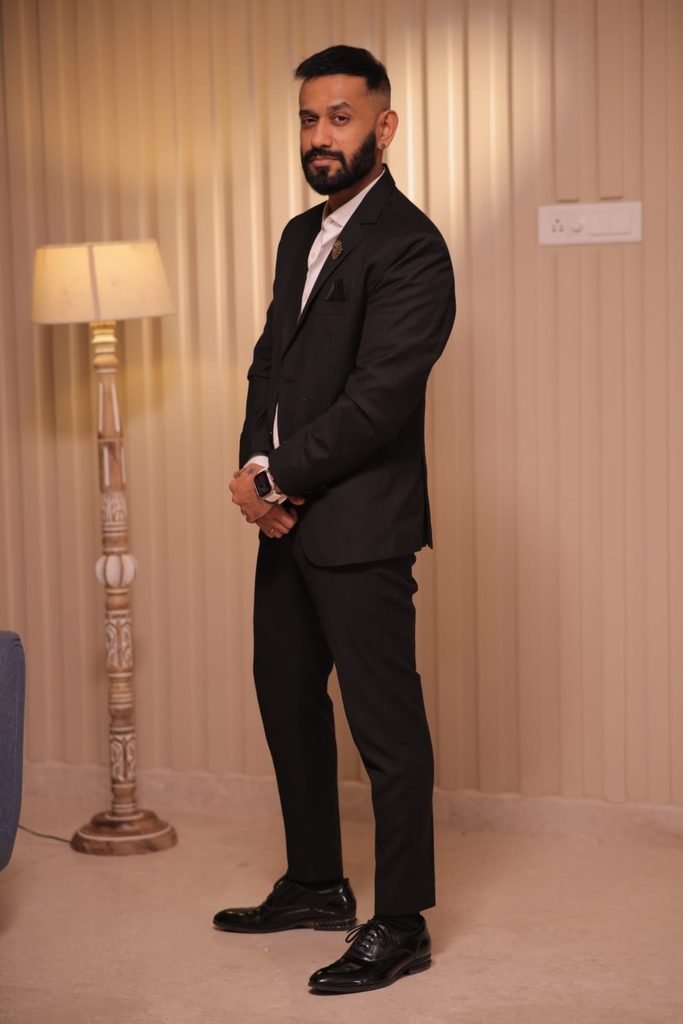
A good fragrance and a stand out accessory like a lapel pin. To me, grooming is an extension of personal identity, and fragrance with style is often the most understated yet memorable expression of it.
5. The hardest thing for men to admit:
That they’re overwhelmed and don’t always have everything under control.
6. Loudest PR myth vs. quietest truth:
The loudest myth is that visibility equals influence. The quietest truth is that credibility, consistency, and relationships will always outlast publicity.
7. One trait every modern leader needs:
Emotional intelligence. You can teach people strategy, but the ability to understand, inspire, and bring out the best in others is what defines exceptional leadership.
8. What the world must prioritise for men right now:
Creating an environment where men feel valued for who they are, not merely for what they achieve.