

Beyond Surface Glaze and Brightness
In an era saturated with active overload, filters, and hyper-segmented cosmetic promises, finding light at the end of the tunnel requires an inversion of thought. To bring such vital, yet debatable aspects under the limelight, we bring together leading formulators, biotech pioneers, surgeons, and dermatologists to unpack what genuine radiance means when stripped of illusions.
Radiance in Focus
When autumn sets the tone for seasonal shifts, festivals, the advent of the wedding season, and the ensuing new year, conversations around illumination tend to lean toward superficial sparkle. Yet, true skin radiance is neither a filter nor a temporary cosmetic finish. It is the direct biological outcome of an intact barrier, structural harmony, and sustained cellular health. To navigate past the noise of modern skincare confusion, we turn to a distinguished panel of experts spanning formulation science, molecular biology, plastic surgery, and clinical dermatology. Here is how they define, decode, and restore the true splendours of light.
From daily barrier care to holistic body care, laboratory chemistry, molecular validation, and finally deep clinical and structural intervention, here is how each expert approaches the spectrum of skin light, with the help of light in many forms.
Tapur Gupta, Founder & Director, Root Labs
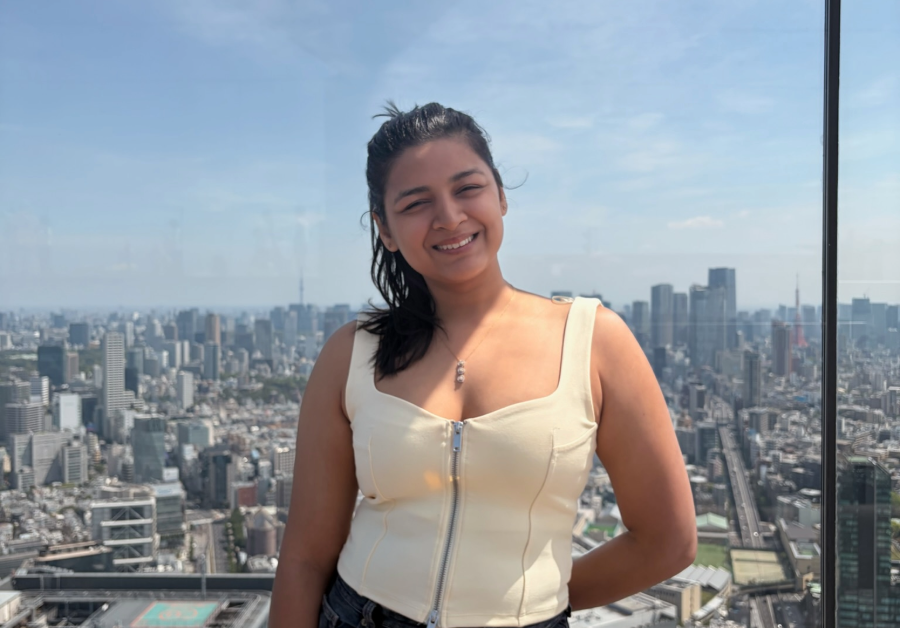
Barrier-First and Hormone-Considerate Living
Tapur Gupta is a young entrepreneur shaping a model of considered skincare. With a background in consumer behaviour and psychology from Nanyang Technological University, Singapore, and experience across beauty, digital marketing, and brand building, Tapur founded Root Labs with a simple philosophy: skin doesn’t need to be fixed, but supported. Her approach centres on hormone-considerate, barrier-first formulations created specifically for Indian skin and climate.
Root Labs was born out of your own experience with stripped skin barriers and active overload. How does stepping back to minimalist, barrier-safe, hormone-conscious routines actually unlock natural skin luminosity?
For me, the biggest shift is understanding that skin doesn’t always need more intervention; sometimes it needs a reset. When we constantly layer strong actives, exfoliants and heavy occlusives, we can overwhelm the skin instead of supporting it. A minimalist, barrier-first routine gives skin the space to breathe, retain moisture and function as it naturally should. Being hormone-conscious adds another layer of thoughtfulness, because skin changes with different stages of life. When you stop constantly trying to fix your skin, you give it the opportunity to find its natural balance and luminosity again.
Indian skin copes with high melanin, shifting seasons, and severe environmental stressors. How did you tailor Root Labs’ formulations to protect the barrier against these specific regional triggers without relying on harsh actives?


Indian skin has to navigate heat, humidity, pollution, dust, UV exposure and seasonal changes. So, we tailor our formulations to support the barrier without adding unnecessary stress. For example, we created an antibacterial face mist to help refresh skin exposed to pollution and dust, and a lightweight moisturiser that hydrates without feeling heavy in India’s humid climate. Our non-foaming face wash is designed to cleanse gently, because when skin is already dealing with environmental and lifestyle stressors, we don’t believe cleansing should strip it further.
Kanikka Dewanii, Founder & Director, Mintree

Clean Scale and Holistic Body Care
Kanikka Dewanii is a seasoned beauty consultant turned entrepreneur with over 19 years of extensive experience in the beauty and lifestyle industry, embodying a passion for innovation and sustainability. Her professional journey began with a host of legacy brands such as L’Oréal Paris, Benefit Cosmetics (LVMH Group), Reliance Brands Ltd, and Pantaloons, where she honed her skills and gained invaluable insights into the market landscape.
Mintree has championed organic, clean body care and professional manicures/pedicures alongside facial care. Why is full-body skin barrier health and self-care crucial to holistic and comprehensive overall radiance?
Beauty is holistic, and our skin deserves care beyond just the face. The skin on our body also needs nourishment, protection and consistent attention, while rituals such as manicures and pedicures add an important element of self-care. At Mintree, our focus on skin, body and hair reflects our belief that well-being and beauty should be experienced as a complete, everyday ritual.
Balancing clean, natural ingredients with mass-scale professional salon standards is notoriously difficult. How do you maintain high formulation integrity while keeping luxury self-care accessible across India?



For us, accessibility should never come at the expense of quality. We built Mintree around purity, sustainability, and high-functioning products, leveraging our knowledge of product development and the professional beauty ecosystem. With a presence across 3,000+ salons and leading online platforms, we aim to make premium self-care experiences more accessible without compromising the quality standards we stand for.
Palak Sehgal, Founder and CEO, Kasaya
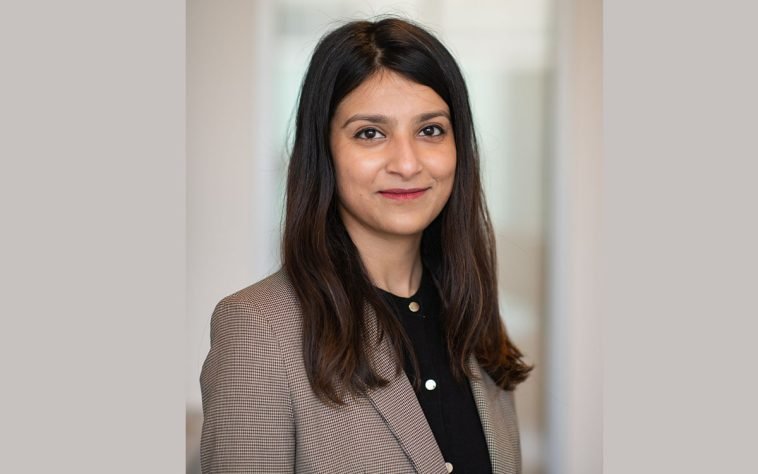
Botanical Bio-Intelligence and Ayurvedic Alchemy
Palak Sehgal is a plant geneticist, bioengineer, and the founder of Kasaya Cosmetics. Bringing a scientific approach to botanical formulations, Palak bridges traditional Ayurvedic herbology with Nordic clean-beauty discipline, focusing heavily on microbiome health and advanced transdermal delivery systems.
Your approach pairs Indian botanical wisdom (like saffron and lotus) with Nordic minimalism and biotech discipline. How does this precise cross-cultural synthesis create superior skin health?
Ayurveda offers plant bioactives refined over centuries, such as saffron for brightening and lotus for calming. Biotechnology adds mechanism and correct dosage. Nordic minimalism adds restraint, so every ingredient earns its place at the right concentration.
As a plant geneticist, you focus heavily on delivery systems like lipids and plant ceramides. Why is targeting the stratum corneum and skin microbiome the real secret to lasting, non-superficial glow?
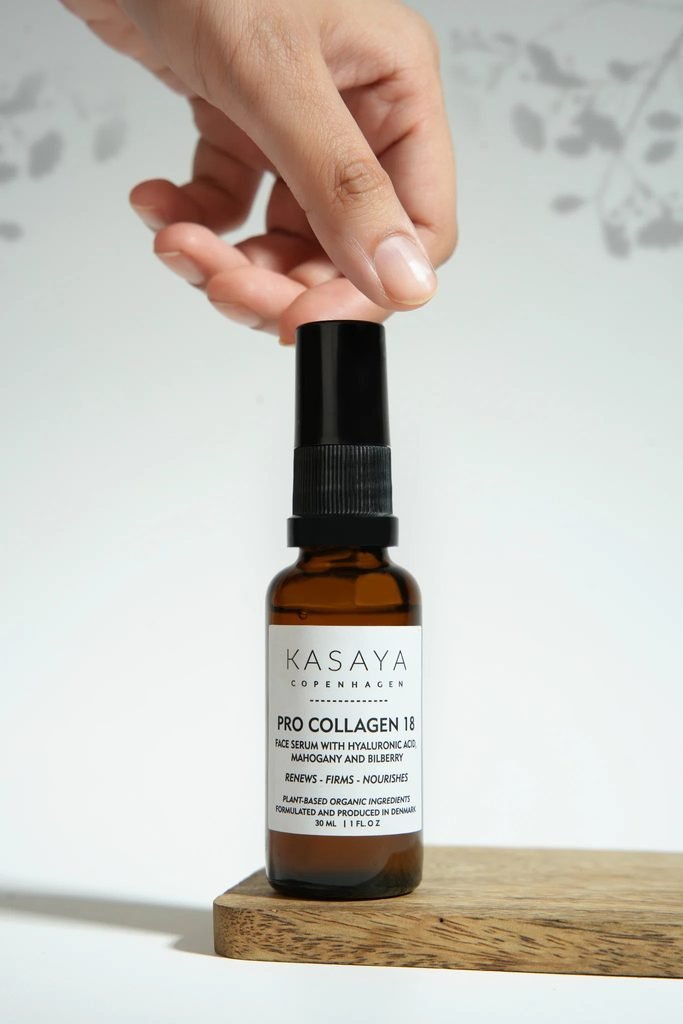
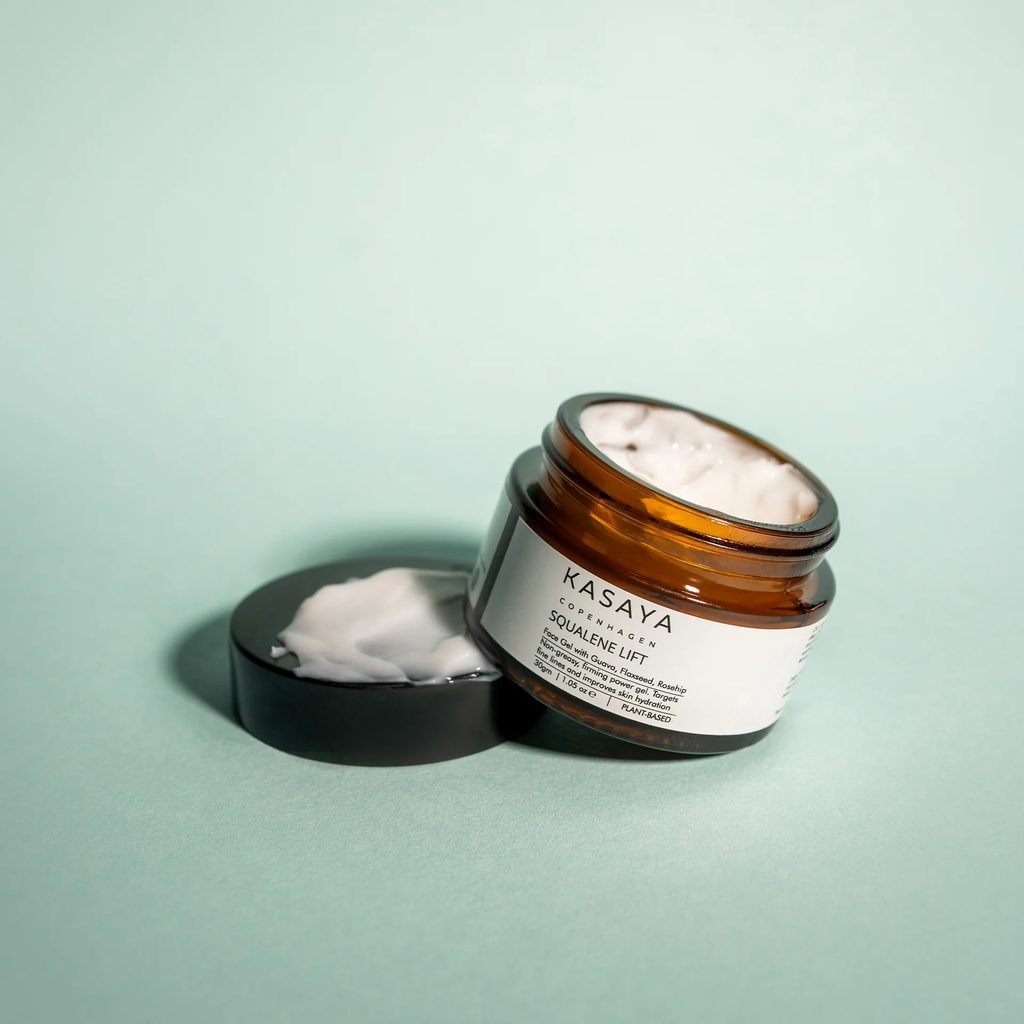
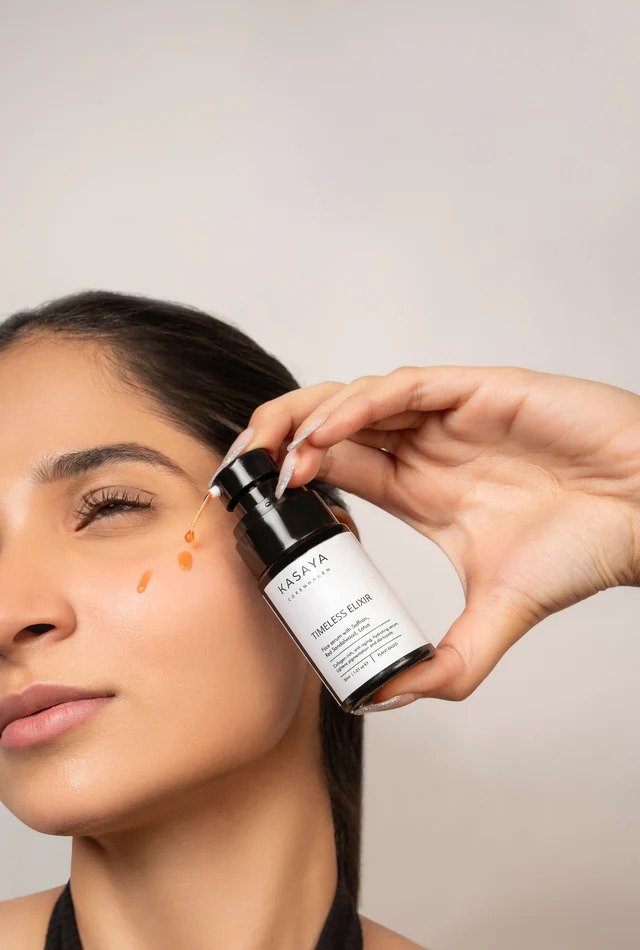
The stratum corneum’s lipid matrix controls hydration and it is home to the microbiome. The two sustain each other. As a plant geneticist, I understand plant’s protective lipid system, so I design delivery around lipids that match the skin’s own: for example Squalene, flaxseed mucin, etc. They replenish the barrier and carry botanicals to where they act. What we focus on is the barrier and microbiome working together. For example- bacteria such as Staphylococcus epidermidis help the skin produce ceramides, while a healthy, slightly acidic lipid barrier gives those microbes the environment they need to thrive. Squalane mimics sebum, jojoba provides wax esters, and plant lipid systems mirror the skin’s ceramide and fatty acid profile.
Oscar Pereira, Founder, Codeskin

Chemistry, Salon Heritage, and Precision
Oscar Pereira is a veteran skincare formulator, entrepreneur, and Founder of CodeSkin, with over two decades of expertise in skincare, haircare, and cosmetic product development. Widely respected for his depth of knowledge in formulation science and ingredient innovation, Oscar has spent his career shaping products that bridge scientific research with real consumer needs. He previously co-founded Cheryl’s Cosmeceuticals, which was acquired by L’Oréal in 2013.
Having spent years formulating for iconic professional salon lines, what is the exact “code” or chemical balance needed to achieve deep-cellular radiance without compromising skin health?
There is no exact formula for “deep-cellular radiance.” The phrase sounds scientific, but it is not a defined formulation target. A topical product cannot promise to reach some idealised cellular depth and produce radiance from there. What a formulator can do is much more specific: choose an active with a credible role, use it at a useful level, put it in a stable and appropriate vehicle, and make sure the finished product can be used without causing persistent irritation. pH matters for some ingredients; delivery, stability, and frequency matter for all products. The right balance depends on the active, the formulation, and the person using it.
How do you bridge the gap between high-potency professional salon treatments and safe, everyday at-home regimens for consumers seeking targeted corrective care?
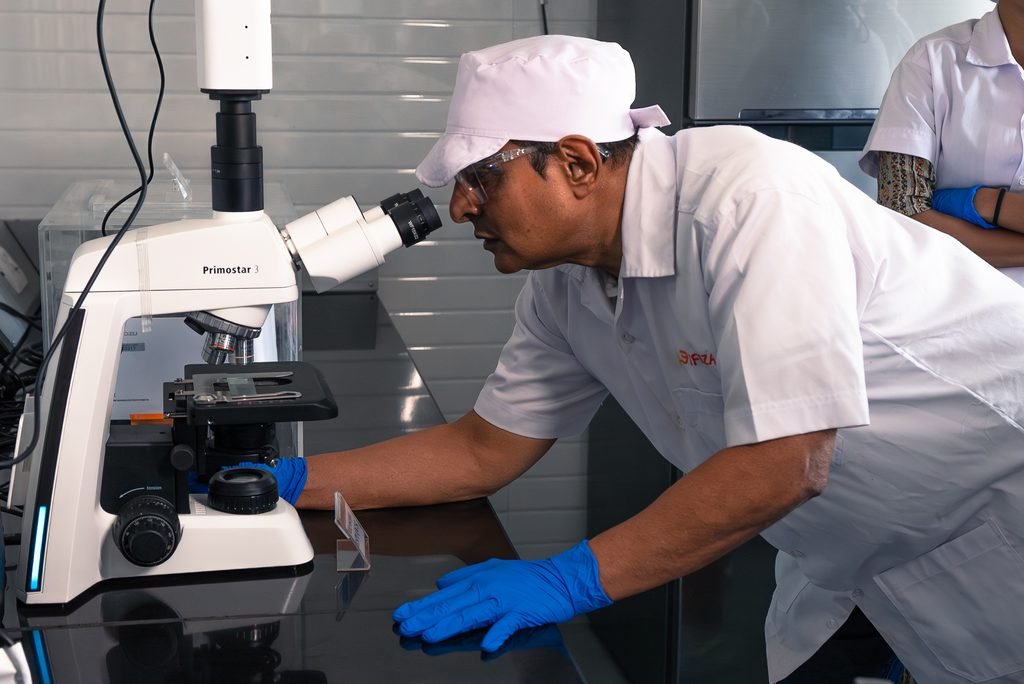
A salon treatment should be selected and administered by a trained professional who can assess the skin and manage the treatment. Home-care has a different job: it should support the skin before and after the procedure, and provide measured, consistent care between visits. We do not treat professional strength as a virtue in itself. Before introducing corrective actives, we consider the skin’s condition and tolerance; after a procedure, we prioritise appropriate recovery and protection. Then home-care can address the ongoing concern at a frequency the skin can manage. That is how I see professional and home-care working together: the salon makes a considered intervention, and the daily regimen helps sustain progress without keeping the skin in a state of irritation.
Princy Patel , Founder, Eltior

Molecular Biology and Clinical Validation
Princy Patel is a Molecular Cellular Biologist who founded Eltior with a clear India-first approach to skincare. At the heart of the brand is “Maintenance over miracles” a philosophy centred on building and maintaining healthy skin through thoughtful formulations, consistency and measurable results over time, rather than overnight promises.
What unique light or radiance needs did Eltior identify in the Indian market that convinced you to introduce the brand here?
When I was formulating and testing early versions, I kept seeing the same pattern. Imported formulas would feel wonderful for the first few weeks, then turn heavy, or simply stop working, once they met our actual conditions: humidity most of the year, tap water that runs hard across much of urban India, a UV load that stays high even behind cloud cover, pollution layered on top. None of that is a flaw in Indian skin. Indian skin is not difficult, it’s misunderstood, and a formula written in Paris does not behave the same way in Pune. The radiance specific problem here is the humidity paradox. Skin looks shiny by mid-morning, people read shine as oil and wash it off three or four times a day. Shine is not radiance and it is not hydration. Strip it repeatedly and you get skin that is greasy on the surface, dehydrated underneath and dull in any light. That is a barrier problem created by the routine, not by the climate. What was missing wasn’t another ingredient story, it was a brand willing to formulate for these conditions from the start and prove it with in-vivo testing on Indian panels, rather than importing results from elsewhere and hoping they’d translate. That gap is the one Eltior exists to close.
How are international luxury standards shifting away from superficial brightening toward biological skin resilience, and how does Eltior fit into that global movement?
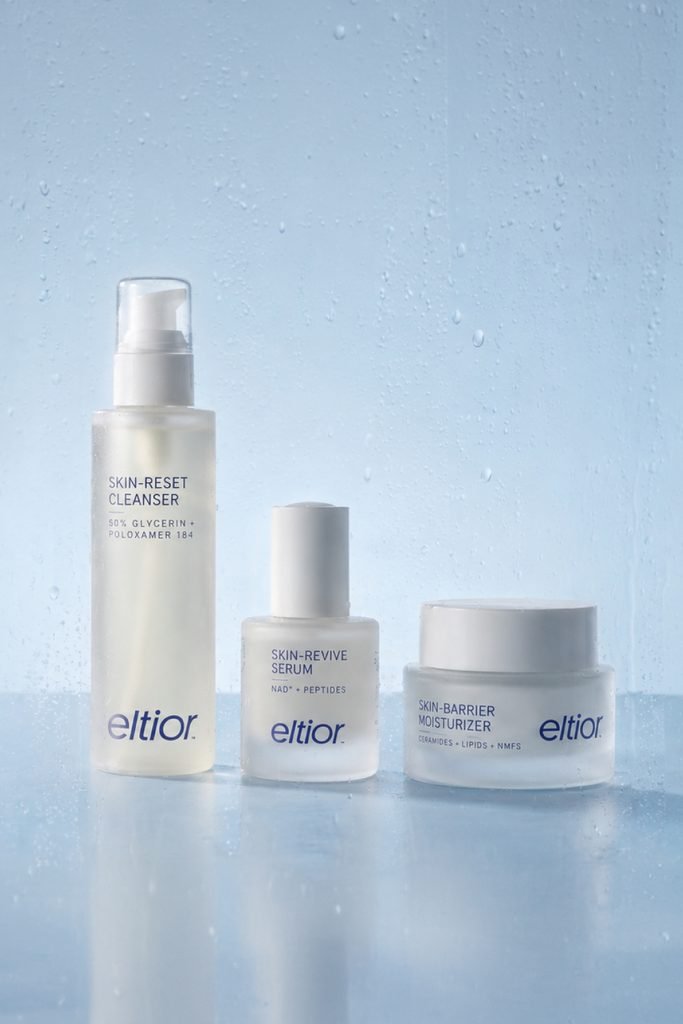
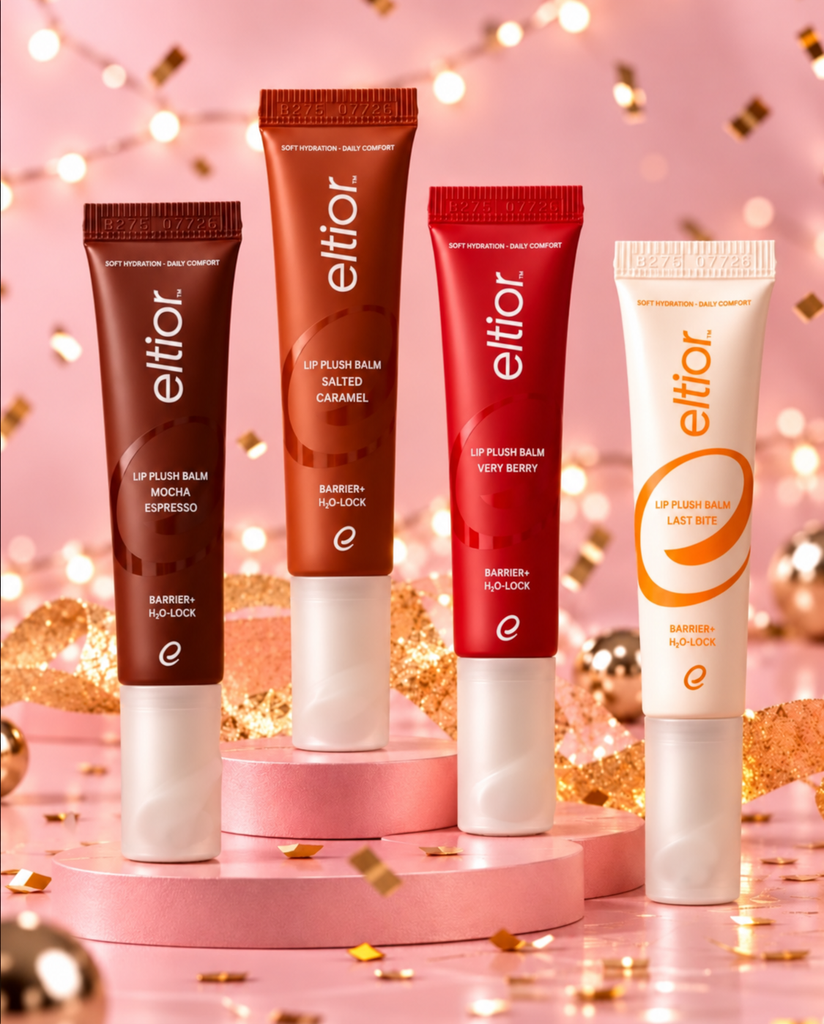
Globally, you can see luxury skincare moving away from the single dramatic before-and-after, the overnight promise, toward numbers that hold up over weeks: barrier function, water loss through the skin, elasticity, hydration recovery against a damaged control. That’s a more honest definition of brightening because it measures what’s happening under the surface rather than what a filter can fake. We built Eltior inside that standard rather than growing into it. Every figure we publish travels with its panel, its duration and the instrument that measured it, and we hold to public commitments in every format, including paid: no overnight promises, no before-and-afters shot in different lighting, and we will never call your skin a problem just to sell you a solution. We’d rather be checked than admired. If the industry is genuinely moving toward biological resilience over surface brightening, that’s not a trend we’re chasing, it’s the standard we started from.
Dr. Monique Wilson, Award Winning Dermatologist

Dermatological Science and Skin Longevity
After graduating from medical school at Columbia University, Dr. Wilson spent five years training in neurosurgery at Cornell University and the University of Michigan before pivoting to dermatology at the University of Illinois, Chicago. Combining an intimate knowledge of anatomy with procedural expertise, Dr. Wilson completed an aesthetic dermatology fellowship in San Diego, and has since practiced in the San Francisco Bay Area.
With the rise of GLP-1 receptor agonists, many patients face rapid facial volume loss and skin laxity, often called “Ozempic Face.” From a clinical perspective, what are the primary after-effects of these medications on skin density, and what combination of energy-based devices, biostimulants, or lifestyle remedies can help safely restore structural bounce?
There are currently no dermatologic studies that directly measure the effect of GLP-1 receptor agonists on skin density. Clinically, however, we often observe changes in skin quality and density in the setting of significant or rapid weight loss, including decreased elasticity, loss of collagen and elastin, and reduction in facial volume. Importantly, these changes are not unique to GLP-1 receptor agonists; rather, they can occur with substantial, rapid weight loss regardless of the mechanism. These changes can be addressed through a combination of treatments administered in a staged approach. Biostimulatory treatments can be used early to improve skin quality, enhance elasticity, and provide structural support. Hyaluronic acid fillers can then be used selectively to restore lost facial volume. Finally, energy-based treatments, including microfocused ultrasound with visualisation and radiofrequency, can improve the appearance of skin laxity and enhance overall skin quality. These technologies can also be appropriate for patients with darker skin, as they carry a relatively low risk of post-treatment hyperpigmentation.
Patients can help minimise the potential facial effects of significant weight loss by working closely with their physicians and nutritionists to support gradual, rather than rapid, weight loss, maintain adequate hydration and protein intake, and optimise overall nutrition. Early collaboration with an aesthetic dermatologist can further allow for a gradual, individualised approach to facial restoration, helping patients maintain skin quality and facial balance throughout their weight-loss journey.
How do advanced laser procedures work below the surface to stimulate cellular renewal and yield true, natural radiance rather than a superficial glow?
A superficial, temporary glow can certainly be achieved with a facial, exfoliation, or even cosmetics. But true radiance comes from deeper within; healthy skin with an even tone, smooth texture, and a strong foundation of collagen and elastin. Advanced laser treatments help us achieve these goals by harnessing the skin’s own natural repair processes. Lasers deliver precisely controlled energy to targeted areas of the skin, creating microscopic zones of injury that stimulate the skin’s healing response. This, in turn, promotes the production and remodeling of collagen and elastin, resulting in skin that becomes firmer, smoother, and more resilient over time. Lasers can also selectively target unwanted pigment, visible blood vessels, and certain skin growths, helping to create a more even and refined complexion. The result is not simply a temporary glow, but healthier skin from the inside out.
Dr. Yash Mehta, Principal Surgeon and Founder, Aesthetic & Cosmetic Surgery Clinic (ACSC)
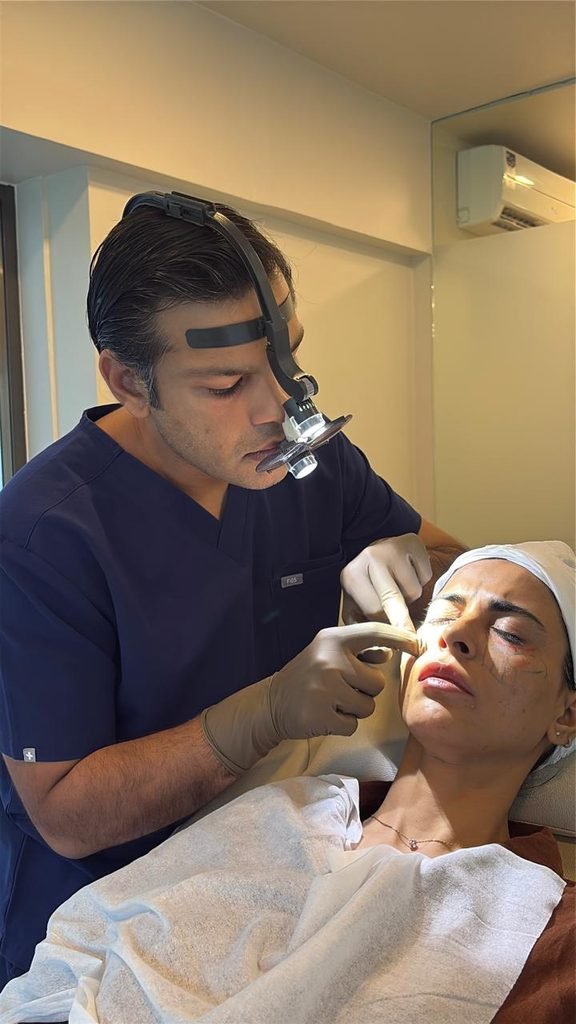
Structural Integrity and Aesthetic Restraint
Dr. Yash Mehta is a Facial Plastic Surgeon, with a Master of Surgery (MS) in Otorhinolaryngology (ENT) and advanced fellowship training in Facial Plastic Surgery. His practice is dedicated exclusively to the face. His expertise spans facial plastic surgery, rhinoplasty, facial rejuvenation, eyelid surgery, regenerative aesthetics, and non-surgical facial enhancement.
From a surgical standpoint, true radiance often depends on structural integrity, deep tissue health, and light reflection off smooth contours. Where do topicals stop and surgical or minimally invasive interventions take over to restore lost light?
Topicals have an important role, but they fundamentally work within the biology of the skin. They can influence hydration, pigmentation, barrier function, inflammation and aspects of skin ageing. They cannot, however, reposition descended tissues, restore lost volume, alter skeletal proportions or correct significant changes in facial architecture. That is where minimally invasive and surgical interventions become relevant. A face is three-dimensional. As we age, changes occur not only in the skin but also in fat compartments, connective tissue, muscle and bone. If the underlying architecture changes, improving the surface alone may not restore the way light moves across the face. My approach is therefore not to choose between skincare, devices and surgery, but to understand which layer of the face requires intervention. The most natural results often come from combining modalities thoughtfully rather than over-treating any single layer.
When patients enter your clinic seeking “brightening” or “transformation” to recover their confidence, how do you guide them away from unrealistic filter culture toward achievable, natural clinical outcomes?
The first step is to separate what the patient wants to feel from what they think they need to change. Filters have created an unrealistic visual reference point. They can remove pores, alter proportions, smooth texture and change facial contours instantaneously. Human skin is not supposed to look like that. I tell patients that our objective is not to create a filtered version of them. It is to create a healthier, more rested and more harmonious version of their own face.

We discuss what is realistically achievable, what should remain untouched and what intervention, if any, is actually necessary. Sometimes the best result is a subtle improvement that nobody can identify as a procedure. For me, that is the essence of good aesthetic medicine: when the intervention is visible in the quality of the face, but not obvious on the face. Radiance should never become a pursuit of perfection. It should be the visible consequence of healthy tissue, thoughtful intervention and restraint.
Defining Genuine “Radiance” or “Light”
When asked to define true radiance from their domain’s perspective, Dr Yash Mehta explains that radiance is not about artificial brightness or lightness, but rather how healthy skin reflects light through proper hydration, texture, and facial harmony.
Dr Wilson adds that exceptional skin health is cultivated over time through intentional daily habits, preventative care, and treatments that support her patients’ natural renewal. Princy Patel agrees that radiance is an optical outcome of a healthy, intact barrier measured scientifically, such as via a Glossymeter, rather than a surface finish.
Palak Sehgal feels Radiance is an optical result of healthy skin. An intact stratum corneum with well-organised lipids and good hydration reflects light evenly, and a balanced microbiome keeps the inflammation that dulls skin tone low. Skin renews over weeks, so lasting radiance is built across those cycles.
Kanikka Dewanii views radiance as a reflection of healthy, nurtured skin sustained by simple habits, a sentiment echoed by Oscar Periera, who notes it is the visible result of a smooth stratum corneum, even pigmentation, and an unprovoked skin barrier rather than an active ingredient’s temporary shine. Finally, Tapur Gupta notes that light is a natural reflection of strong, calm, and well-supported skin rather than something that needs artificial correction.
The Single Biggest Misconception About Clear, Healthy Skin
Addressing the biggest misconception consumers hold, Oscar Pereira points out the false belief that stronger products and constant irritation lead to faster results, noting that CodeSkin combats this by prioritising tailored plans and barrier care.
Kanikka Dewanii adds that consumers are overwhelmed by the myth that more products equal better outcomes, which Mintree counters by focusing on high-functioning, purposeful purity.
According to Palak Sehgal, that clear skin comes from stripping, over-exfoliating and treating every bacterium as a threat. Skin is an ecosystem, and its lipids and microbes are its defence. At Kasaya, prebiotics like inulin feed beneficial bacteria and fermentation-derived actives support barrier recovery. We keep routines short and explain the mechanism behind every product.
Princy Patel notes that the biggest misconception is believing a strong skin reaction, like tingling, peeling, or tightness, equals a strong result. She explains that this is actually barrier stress, which leads to long-term dullness, sensitivity, and uneven tone, especially when stacking over-treatments not tested for local humidity, hard water, or UV loads. To help consumers navigate out of this, her brand promotes claim literacy and publishes exact panel sizes, study durations, and instrument details for every claim made.
Tapur Gupta highlights the misconception that healthy skin means lighter skin, sharing that Root Labs focuses instead on barrier resilience regardless of natural complexion.
Dr. Yash Mehta explains that skin has a biological threshold and cannot be fixed by continuously adding more actives, which ACSC addresses by simplifying routines or doing less when appropriate.
Similarly, Dr. Wilson observes that more aggressive treatment is often counterproductive, emphasising her role in building individualised, long-term plans that protect skin integrity.
The Future Era of Luminous Skin Health
Looking toward the future of luminous skin health, Oscar Periera predicts an era defined by better evidence, rigorous formulation studies, and disciplined clinical decisions.
Kanikka Dewanii believes the focus will shift toward purposeful, sustainable formulations that combine purity, efficacy, and self-care.
Princy Patel emphasises that the true shift lies in formulating and testing directly on the local population using transparent third-party methodologies, alongside the unglamorous but essential daily practice of sunscreen use.
Tapur Gupta envisions a future of doing less and letting skin function naturally, moving away from heavy layers and toward simpler, barrier-supporting routines.
Dr. Yash Mehta elaborates that the future will move beyond treating surface symptoms toward skin longevity, tissue quality, regenerative energy-based technologies, and restoring conditions for optimal cellular function.
Palak Sehgal adds on. Fermentation and measurement. Fermenting botanicals yields stable, skin-compatible postbiotics, opening India’s vast botanical pharmacopoeia to modern biotechnology.
Finally, Dr. Wilson highlights skin longevity, daily photo-protection, and regenerative skincare utilising peptides and exosomes, alongside a positive industry shift toward celebrating healthy, even-toned skin rather than lighter complexions.
The Radiance Journey will Evolve
Ultimately, the journey toward luminous skin is a master-class in biological respect. Whether approached through the lens of barrier-safe minimalism, mass clean-label scale, formulation chemistry, molecular clinical validation, dermatological skin longevity, or structural facial architecture, the message across these diverse domains is unequivocal: light is not something you apply to the surface as a mask. It is the outward manifestation of deep health, structural balance, and restraint.
By trading aggressive quick fixes for sustainable, informed care, consumers can finally find true light at the end of the skincare tunnel
You can read this story on WWeaV’s ‘Splendours of Light’, October 2026 edition, under the WIDE-SCREEN section. Here’s your link: https://wweav.com/wweav-october-2026-splendours-of-light/