Lord Ganesha’s Curl
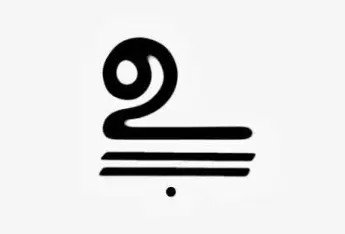
Pillayar: Lord Ganesha, and Suzhi: Curl, combine to form Pillayar Suzhi, meaning Lord Ganesha’s Curl.
The Familiarity
Anyone raised in a Tamil family or surrounding finds the Suzhi deeply familiar. It appeared everywhere: on postcards, inland letters, notebooks, grocery lists, pooja items, household accounts, wedding invitations, exam papers, and itineraries. Essentially, whenever a writing instrument was picked up, putting pen to paper always began with the Pillaiyar Suzhi.
Origins are perceived in multiple ways, ranging from testing writing instruments on palm leaves to deeper cultural associations. It raises the timeless question: did the Suzhi come first and become associated with Pillaiyar, or was it the other way around?
Regardless of its origin, those who grew up writing it still do so out of tactile habit and muscle memory.
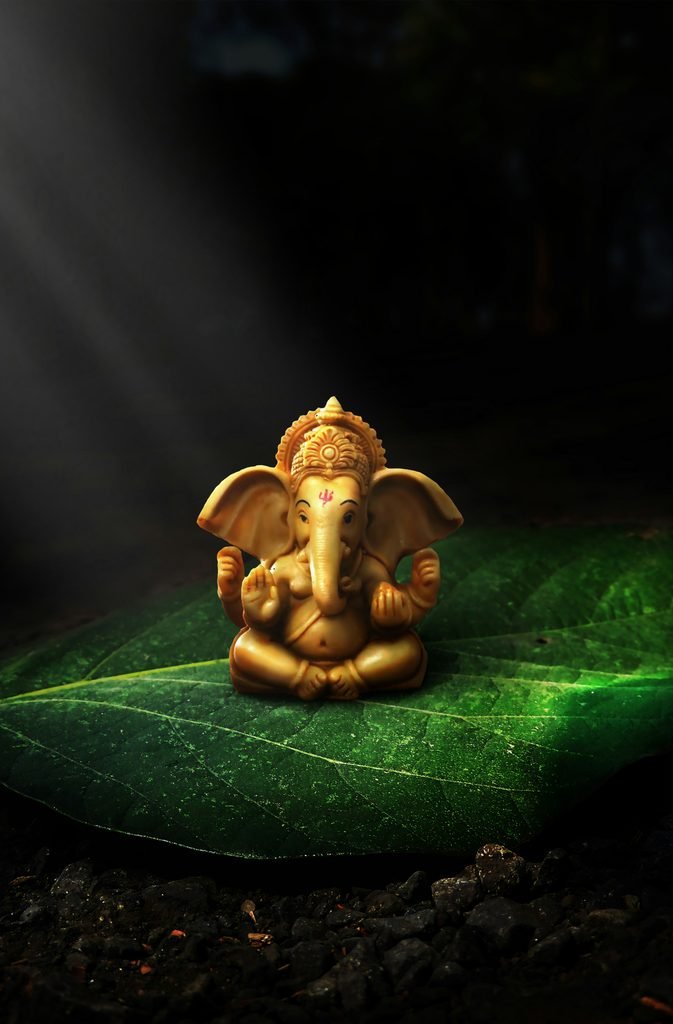
This Ganesh Chaturthi Abhijith, Saranya, and Deepa from Team WWeaV reflect on the practice of writing the Pillayar Suzhi they grew up with.
Abhijith Suresh on the Pillayar Suzhi
The Pillaiyar Suzhi, a simple, beautiful way to acknowledge and seek the blessings of Lord Ganesha.
It started when I was a kid, noticing it on a friend’s notebook. He told me what it was: a sacred symbol inscribed at the beginning of any writing or new venture, representing the Pranava (Om) and the divine form of Lord Ganesha to clear obstacles, invite wisdom, and anchor the mind before taking the first step. Back then, we were too young to truly understand its depth. But as I grew older and deepened my connection with my faith, the practice stayed with me.
I do it even now scribbling it atop my university lecture notes, important papers, or examination answer sheets. It brings a deep sense of comfort, confidence, and quiet reassurance that everything will work out well.
In Hinduism, Lord Ganesha is considered the remover of all obstacles (Vighnaharta), the first deity invoked before any auspicious beginning, and the ultimate enabler. As celebrated in the sacred Ganapati Atharva Sheersham, the Vedic Upanishad dedicated to him Ganesha is far more than a deity; he is established as the supreme metaphysical reality, the ultimate Brahman, and the visible embodiment of the profound Vedic truth “Tat Tvam Asi” (“That Thou Art”), uniting the individual soul with the infinite cosmos.
Spiritually, as the embodiment of Om and supreme consciousness, he governs the root chakra (Muladhara), bridging the material and the spiritual. He is invoked first because he commands the threshold of new beginnings, ensuring that ego gives way to wisdom, intellect, and divine alignment.
Everything begins and ends with him.
Saranya Iyer on the Pillaiyar Suzhi
Pillayar Suzhi is an anchor to my wavering mind. More like a symbolic prayer that goes at the beginning of the page before I plan on writing anything, regardless of it being work related or not. That helps me stay focused on my purpose.
Deepa Natarajan on the Pillayar Suzhi
Living in Bombay back then, the Suzhi was everywhere. It arrived on letters and wedding invitations from Tamil Nadu, appeared at the top of every list my granny made, and was drawn subconsciously by my siblings and me at the start of every new notebook, chapter, homework assignment, and drawing book. We even drew it on exam papers until rules grew stricter and markings on answer sheets were banned. That prompted a shift to inscribing an invisible Suzhi with our ring finger at the top of every page, accompanied by a quiet prayer to Lord Ganesha for good grades, a practice I maintain today.
My personal papers still feature the Suzhi, Om, or Shree, though public-facing works do not. When communication shifted to digital emails and Word documents, the physical Suzhi could no longer be inked onto the page. Yet, the mind still silently and subconsciously traces an invisible Pillayar Suzhi at the beginning of everything auspicious.