A Modern Man’s Story of Identity, Culture, and Comfort
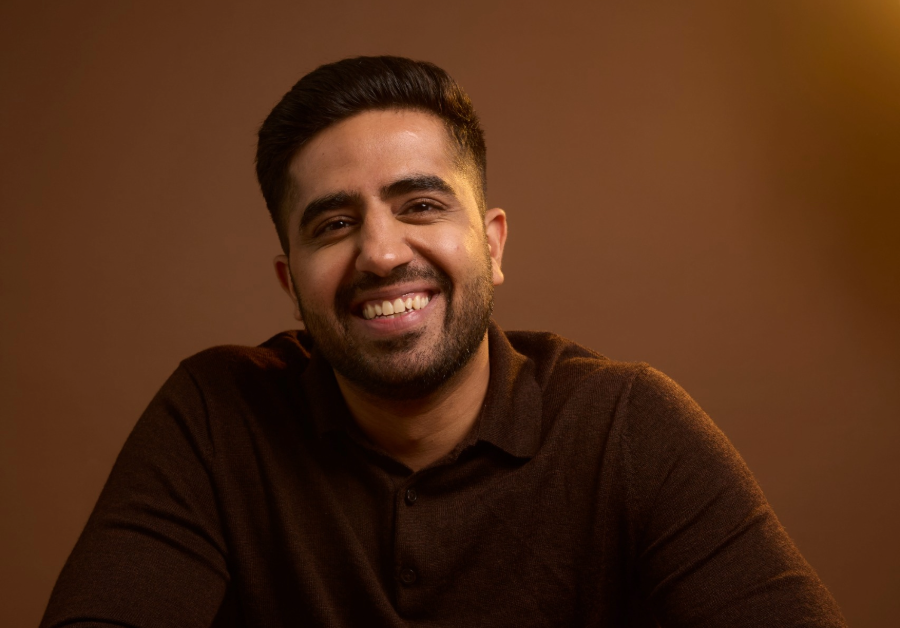
Between the clean shave and the full beard lies a lifelong negotiation between comfort, culture, and self-expression. Abhijith Suresh reflects on the choices that lie between the razor and the growing beard.
For me, the question of “to beard or not to beard” has never been about fashion, rebellion, or a desire to signal masculinity to the world. It has always been guided by the simple, quiet metric of comfort. I just wanted the face in the mirror to feel like an honest extension of myself.
Yet, behind this seemingly straightforward choice lies a much longer story, one woven from childhood impressions, cinema, global traditions, and the evolving identity of the modern man.
Growing up in South India in the ‘90s meant being raised in the uncompromising era of the moustache. In my family, facial hair was binary; men either carried a neatly trimmed moustache, the ultimate symbol of dignity and adulthood, or they were clean-shaven.
My father and uncles belonged to a generation where that strip of hair on the upper lip was a silent declaration of responsibility. It was a sign that you had a job, a family, and paid your bills on time.
Beards and South Indian Cinema
Cinema reinforced this law. The South Indian screen hero almost never appeared without his pristine moustache, while the full beard was strictly reserved for the outliers: the rowdy villains, the eccentric professors, or the “tragic lover” who had spiralled into depression. Outside of very specific contexts, like the temporary vows of pilgrims or the renunciation of sages, a beard generally signalled heartbreak, danger, or a lack of discipline. It was a sentiment the corporate world mirrored perfectly; the clean shave was professional, the beard was suspect.
But genetics were on my side, and the cultural tides began to turn around 2015 with the release of the film Premam. Seeing Nivin Pauly transition from a clean-shaven boy to a rugged, bearded man created a seismic shift, serving as a permission slip for an entire generation of South Indian men.
Suddenly, the beard was accessible, romantic, and stylish. I let mine grow, enduring the universal, itchy “patchy phase” until it settled into something that felt like me.
Beard as a Personal Shift
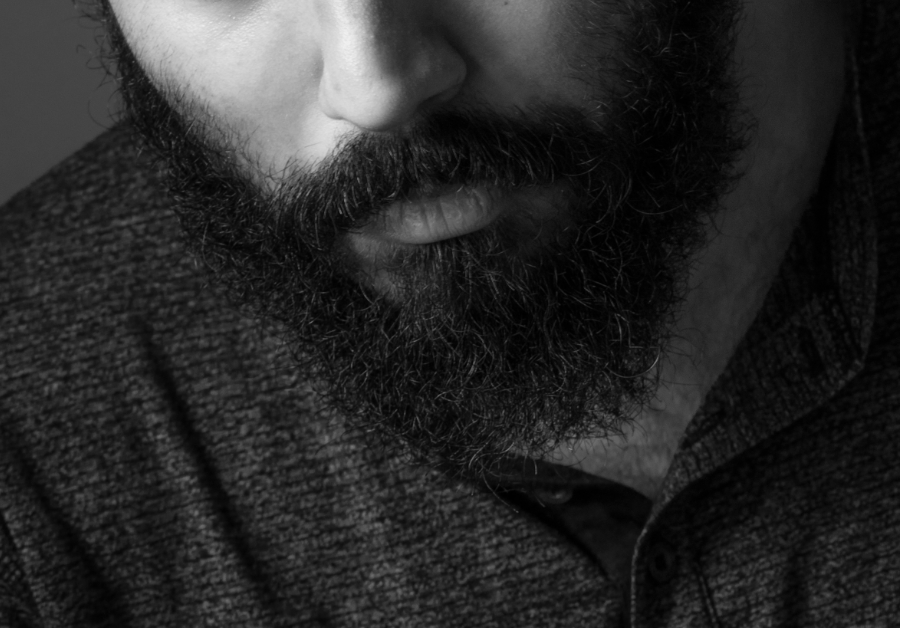
This personal shift, however, was just a ripple in a much larger wave. The world was undergoing a massive “beard revival.” We were reconnecting with a lineage that stretched back millennia. Across almost every major culture and faith; from the Orthodox priests of the East to the Rabbis of the West, from Sufi mystics to Sikh warriors, the beard has historically been treated not as style, but as a sacred article of faith. It represented a vow, a commitment to nature, or a badge of wisdom. In growing our own, even for secular reasons, we were tapping into that ancient, universal archetype of the “wise man” or the “protector.”
Beard and Father
The ultimate proof of this cultural thaw, however, came from the most unexpected source: my own father. The same man who once belonged to the generation of the strict moustache, who viewed the clean shave as the gold standard of professionalism, now sports a beard himself. It connects us in a way I hadn’t anticipated. My beard black and full, his silver and distinguished, both telling a story of changing times.
Beard, Post Pandemic
The pandemic acted as the great accelerator, dismantling the rigid “corporate look” as Zoom calls replaced boardrooms. Today, seeing my father comfortable in his beard, and seeing bearded men in boardrooms, banks, and creative studios alike, proves that the stigma has evaporated.
Ultimately, the beard has moved from a symbol of rebellion to a symbol of self. Science tells us that while stubble signals approachability, a full beard often signals maturity and distinctiveness. It’s a biological echo of the lion’s mane. But in the modern world, we have moved past these primal signals.
So, whether one chooses the ruggedness of a full beard, the sharpness of a moustache, or the breeze against a clean-shaven cheek, the choice is now defined by authenticity rather than expectation. It is a small but significant freedom, allowing us to present ourselves to the world exactly as we are, comfortable in our own skin
Chin up and razor down!