By Pradnya Aradhye
I grew up in Delhi, but in a predominantly Maharashtrian society where every Marathi festival was celebrated with great fervour. As children, the two festivals we looked forward to the most were Ganeshotsav and Diwali.
Diwali and its Special Charm
Diwali had its own special charm. It was that time of the year when the days and nights began turning comfortably cool, and there was a festive excitement in the air.
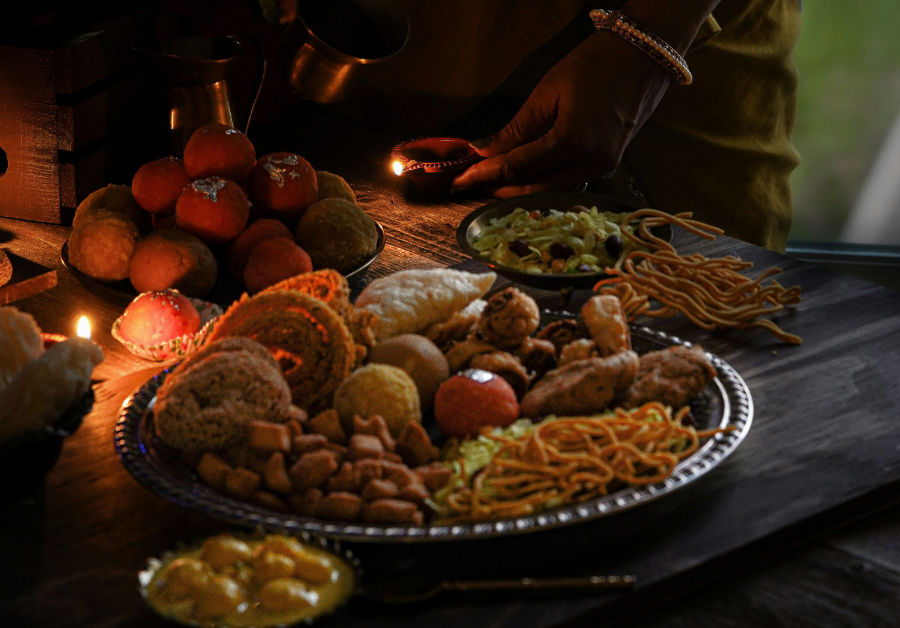
Preparations would begin well in advance. My mother would do a thorough cleaning of the house, and a few days before Diwali, she and my paternal grandmother would get busy preparing the traditional Diwali faraal. Chakli, chivda, anarse, karanji, shankarpale, ladoo, wadi and so many other delicacies would fill our kitchen with irresistible aromas. The house would begin to smell of Diwali even before the festival actually arrived!
The Excitement of Buying New Clothes
These were also the days when my father would buy us new clothes. Unlike today, when buying new clothes is a fairly routine affair, it was quite a novelty back then. We would eagerly look forward to our special Diwali shopping. There were seven of us friends, and one of our favourite conversations would be about what everyone had bought. We all came from middle-class families, and getting new clothes for Diwali was a big deal for each of us. The excitement of showing off our new outfits and discussing who had bought what was an important part of the celebrations.
Decorations and Rituals
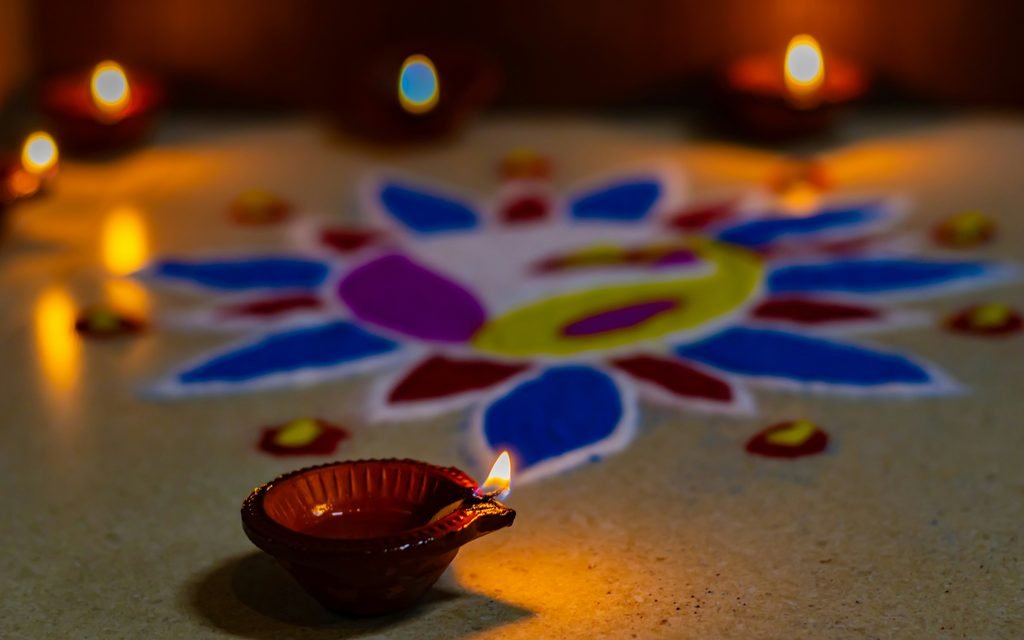
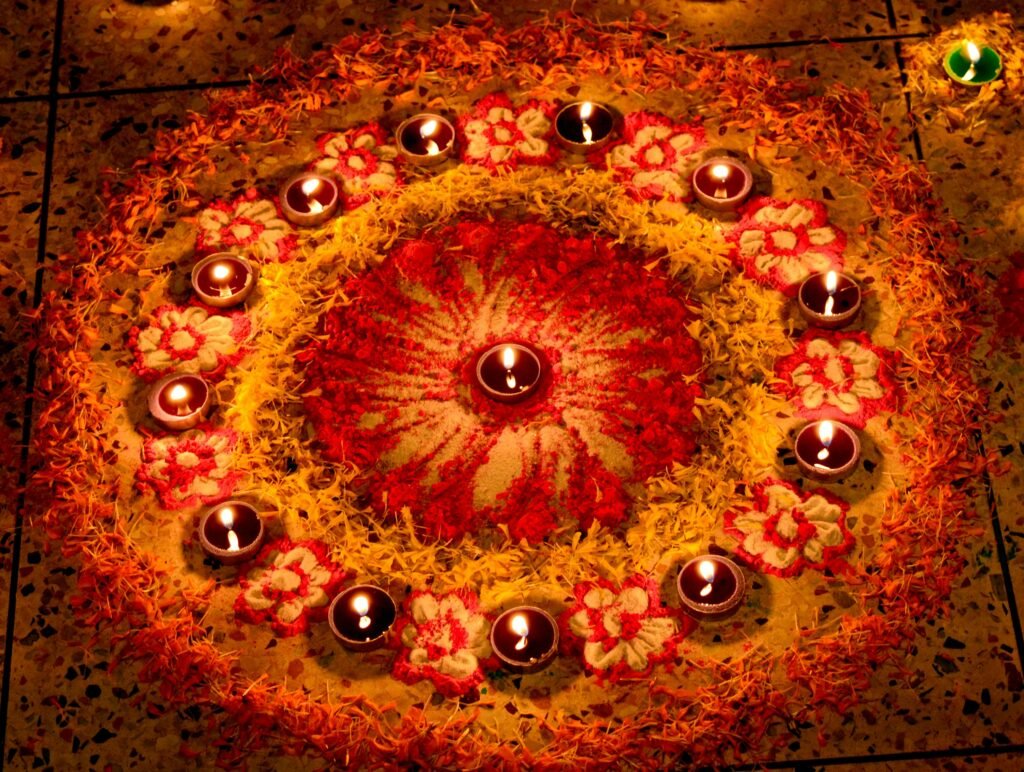
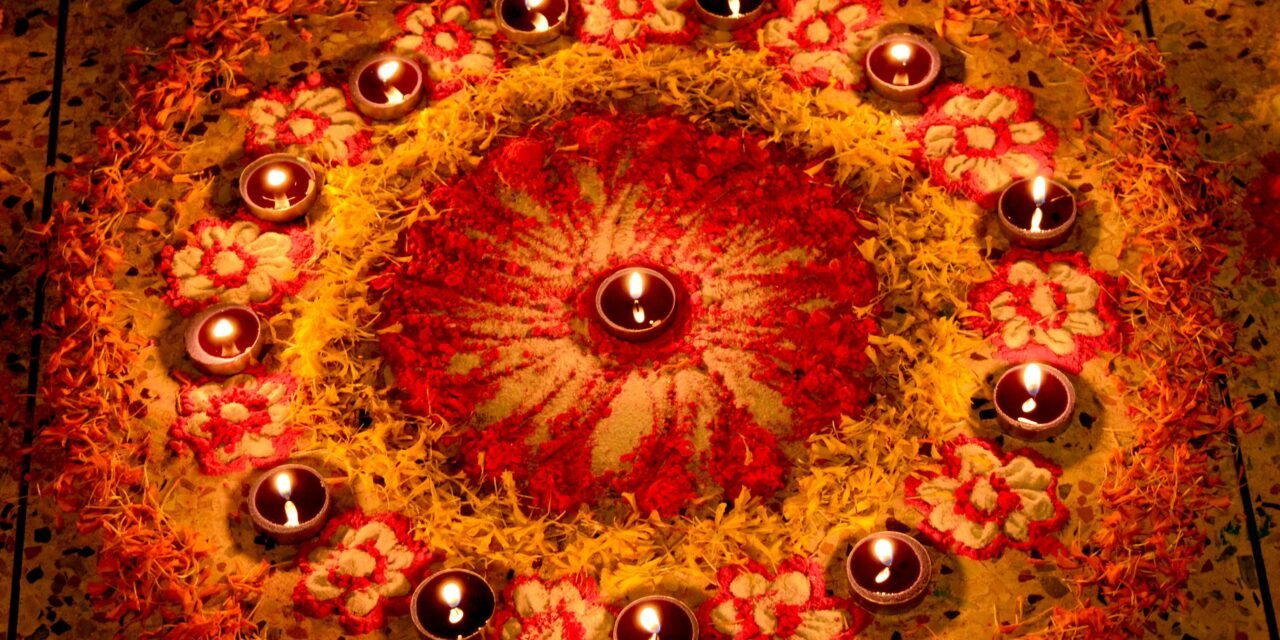
Decorations would gradually begin in every household. Our society had 66 flats, almost all occupied by Maharashtrian families, barring a few. In many ways, the entire society was one big extended family. The lobbies and the spaces outside every home would be adorned with beautiful rangolis, each with a unique design. Walking through the society during those days was a treat in itself.
In our Maharashtrian tradition, Diwali is celebrated over six days: Vasubaras, Dhanteras, Narak Chaturdashi, Lakshmi Poojan, Padwa and Bhau Beej . Each day had its own rituals and excitement.
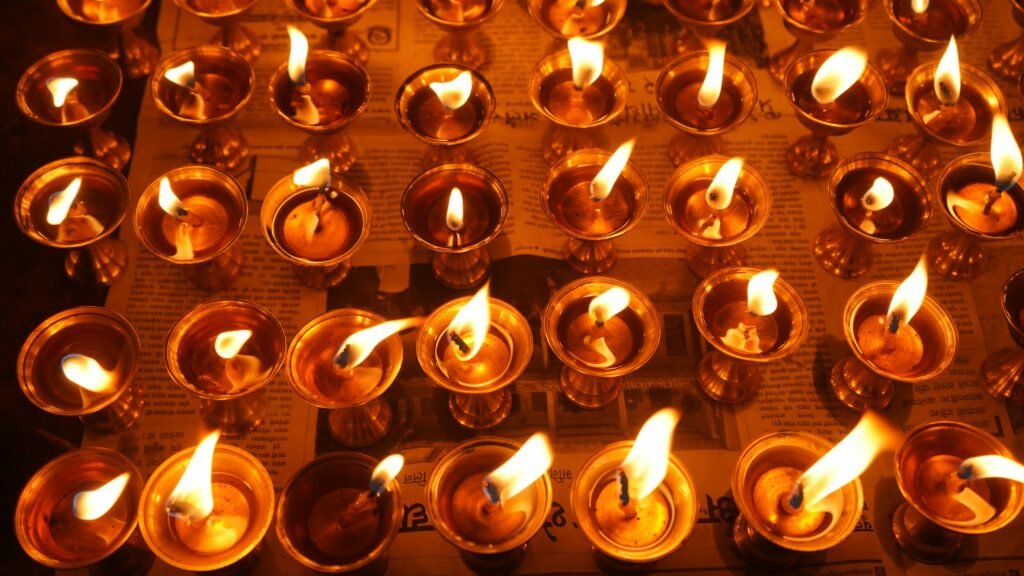
Vasubaras marked the beginning of our Diwali celebrations. That was when we would start lighting our little clay diyas filled with oil. The number of diyas would gradually increase, reaching its peak on Lakshmi Poojan . Alongside the preparations, there was also the excitement of buying different kinds of firecrackers.
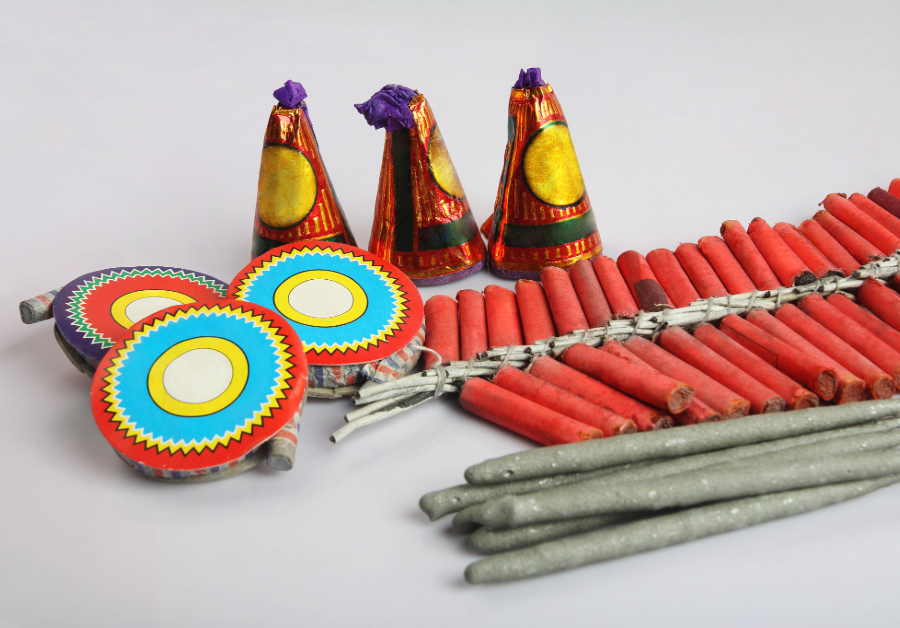
Narak Chaturdashi was perhaps one of the most exciting mornings for us children. The tradition is to have an early morning abhyanga snan, before sunrise. And, of course, no Diwali morning was complete without firecrackers! We had a peculiar tradition of bursting crackers while family members were busy with their abhyanga snan. We friends would compete to see whose cracker would burst first at the crack of dawn, sending a loud boom across the otherwise quiet society. Such were the simple joys of childhood!
The abhyanga snan itself was an experience. The application of suvasik tel and utna, the fragrant herbal paste, was one of the highlights of the morning. Once we were bathed and dressed, we would all gather near the swings in our society. After spending some time together, we would head back to our respective homes to enjoy Diwali faraal with our families.
By the time Lakshmi Poojan arrived, we would all be dressed in our new clothes. After the puja, we would set out in groups to visit almost every house in the society. Every home welcomed us with a plateful of faraal, and we happily sampled the specialities prepared by each family. Every household seemed to have its own version of deliciousness! Looking back, I sometimes wonder if we children practically survived on Diwali faraal for those five or six days. We certainly didn’t seem to mind!
We would also carefully reserve some of our firecrackers for Padwa and Bhau Beej, ensuring that the celebrations continued for the next couple of days.
Padwa had its own special ritual. In the evening, the women and girls of the family would perform aukshan for the men; fathers, husbands, uncles and grandfathers, and in return, receive gifts or some cash. It was a lovely way of expressing affection and celebrating relationships.
Bhau Beej was unique at our home. Since we were two sisters, we had our own little tradition. We would perform aukshan of the Moon, offer him a thread from our old dresses and ask him, ” Zunya cha nava karun de! “, literally, “I am giving you my old clothes; now give me a new dress!” It was our playful way of asking the Moon for new clothes.
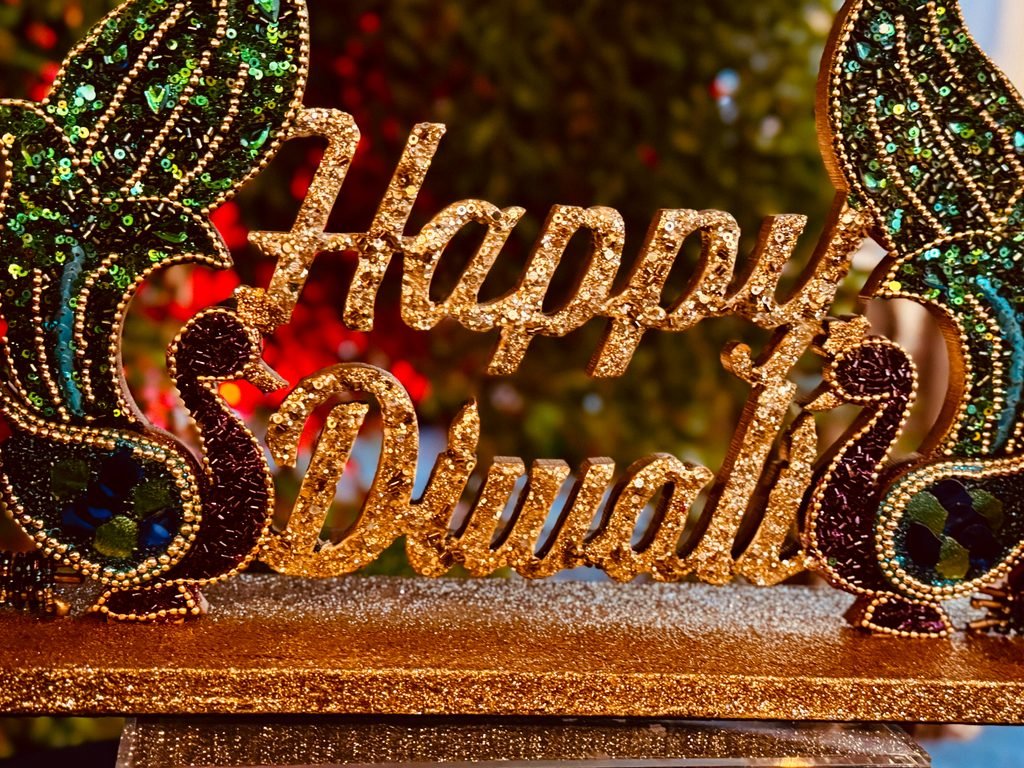
These were such simple rituals, but they brought us immense joy. What makes me happiest is that I have continued many of these traditions even today. And now, my daughter looks forward to them just as eagerly as I once did.
Perhaps that is the real magic of festivals. The years pass, homes and circumstances change, and generations grow up, but some traditions remain beautifully untouched. And every Diwali, when I light those little diyas, prepare the faraal or perform our age-old rituals, I find myself transported back to those wonderful childhood days in Delhi; to our 66-flat society, our gang of seven friends, the aroma of homemade faraal and the excitement of celebrating Diwali together.
Some memories never grow old. And for me, Diwali will always smell, sound and feel like childhood.
About the Author
Pradnya is a Registered Technology Transfer Professional and IIT Kanpur alumnus passionate about mentoring early-stage science and health innovators at Venture Center, Pune.