A Lived Experience Blog by Pratishtha Natarajan
Fieldnotes
History was never meant to be trapped inside the flat pages of a textbook. For a long time, it felt like a dusty obligation, a list of dates to memorise before being forgotten. But that all changed for me the moment I set foot onto the East Coast of the United States. I felt the history through the rhythm of a Greyhound bus rolling down an old highway, the steady hum of an Amtrak train cutting through the night, or the quietness of camping under stars at a podunk around a campfire, seeing the Little Dipper and exploring constellations. History on the East Coast is not something you read; it is something you experience.
If you spend enough time moving through these cities, you start to realise that they hold an energy, a distinct climate of feeling shaped by the land itself and the people who fought, hoped, or suffered across it. They remember what the books gloss over. Across Philadelphia, Boston, and New York, three distinct landmarks tell a deeper story about a country, its connection to the land, and the raw human spirit.
Philadelphia: The Weight of Colonisation and the Earth’s Resistance
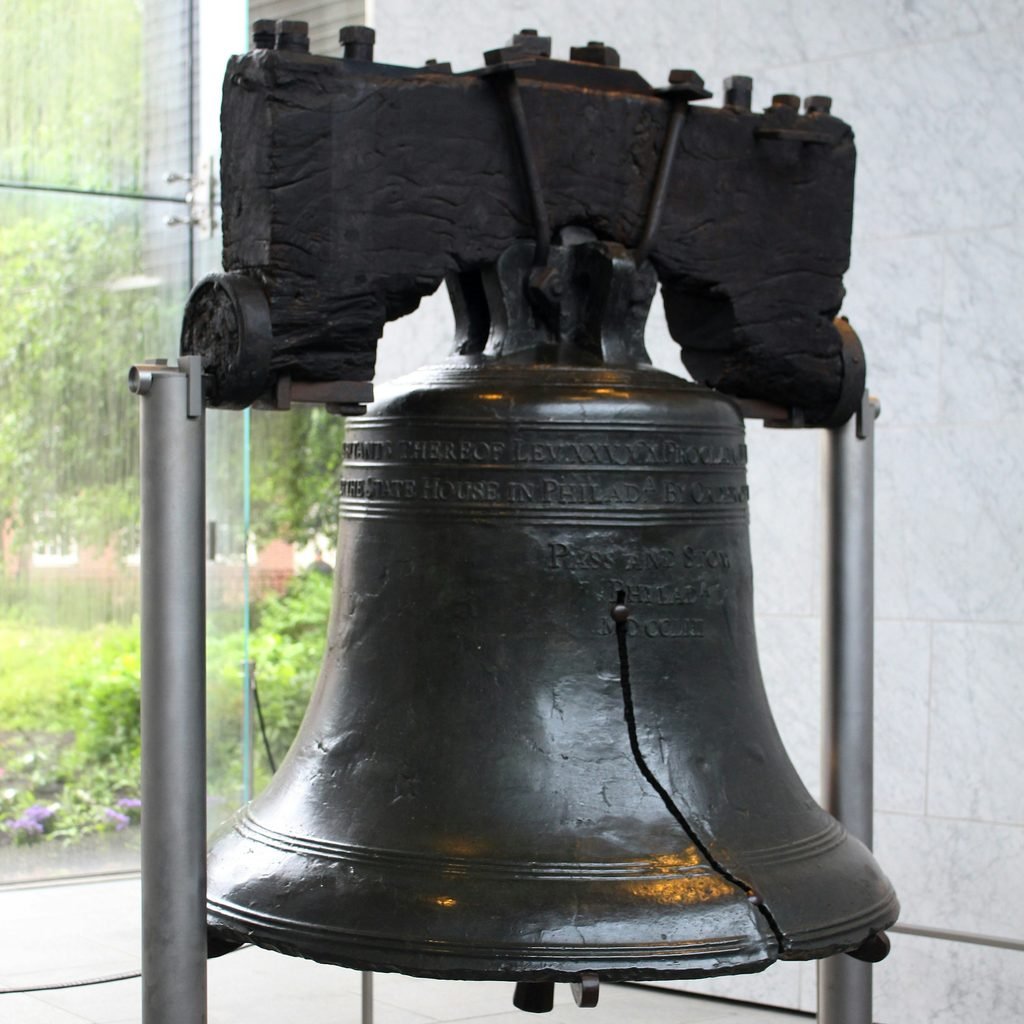
Walking into the space housing the Liberty Bell in Philadelphia evokes a heavy, deeply uneasy feeling in the air. The bell itself is striking, sitting there as a massive bronze artefact weighing over two thousand pounds, composed of copper and tin, with small traces of gold and silver. But it is the famous crack that draws the eye and holds the tension of the room.
Speaker Isaac Norris originally ordered the state house bell from London in 1751, choosing a biblical inscription from Leviticus to proclaim liberty throughout all the land unto all the inhabitants thereof. That verse originally referred to the ancient Jubilee, instructions to free slaves and return property every fifty years. When that very first bell cracked on its initial test ring, local metalworkers John Pass and John Stow melted it down and recast a new one right here in Philadelphia in 1753.
For Black folks fighting for emancipation, the bell evolved into an incredible and sacred landmark. In the 1830s, abolitionists seized upon its inscription as a radical rallying cry to end slavery, publishing its message in works like The Anti-Slavery Record, where the name Liberty Bell was first born. It carried the weight of a profound and urgent dream.
Yet a staggering irony hangs heavy in the room. The narrative around the bell is so often tied to the mythology of George Washington, a figure wrapped in intense controversy because he was a slaveholder who even brought enslaved people with him while residing in Philadelphia, rotating them out before they could claim residency to evade local abolition laws. Celebrating Washington right alongside a bell proclaiming universal freedom exposes a glaring and painful contradiction.
Furthermore, this entire celebration ignores the truth of the soil. We are still standing on indigenous land, stolen from the Lenape people through violent displacement and oppressive colonial laws that stripped native communities of their rights, autonomy, and humanity.
When city officials tried to repair a thin fracture in the bell in 1846 just in time for Washington’s birthday, the repair failed catastrophically. A second fissure tore through the metal, running right from the abbreviation for Philadelphia up through the word liberty, silencing the bell forever. Looking closely at that wide, jagged fracture, it feels like something far deeper than a failed nineteenth-century repair job. It feels like the earth itself cracking in resonance. Because the bell was continually used to glorify a nation built on slavery and indigenous erasure, the crack becomes a silent rebellion of the land itself, a complex and haunting reminder of the resistance humming beneath our feet.
Boston: The Electric Pulse of Rebellion
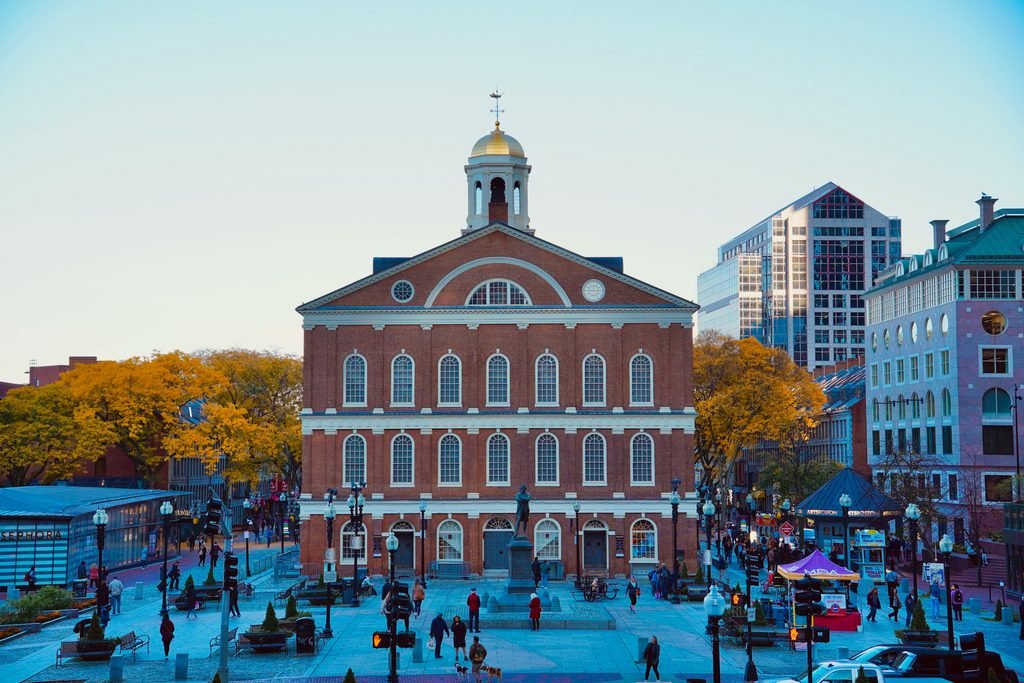
Moving north from the heavy, conflicted air of Philadelphia, you find a completely different rhythm in Boston. There is a deep, fascinating historical link between these two cities, functioning almost like two halves of a single evolving revolution. When I think back to the walking tour along the Freedom Trail, I can still picture the guide explaining the ideological split between them. Boston was the hotheaded spark, home to fiery radicals like Samuel Adams and John Adams who were ready to tear down the system through direct action. Philadelphia, on the other hand, acted as the cautious hall where merchants and lawmakers tried to negotiate with the crown long after Boston was ready to burn it all down.
Standing outside the Old State House, you feel that raw, electric tension immediately. The atmosphere does not carry the tired, somber weight of the Liberty Bell. Instead, it feels alive and humming with defiance. It holds a buzzing feeling of unity for rebellion, an intense camaraderie born from a joint vision and aim, and the shared, dangerous urge to rise up against tyranny.
This was a complex reality of shifting loyalties and imperial overreach. When the British crown imposed taxes without giving the colonies a voice in parliament, the phrase no taxation without representation became a visceral outcry against a system that treated human lives and labor as mere revenue streams for a distant king. That frustration exploded in moments like the Boston Tea Party, a calculated, daring act of economic sabotage against the British East India Company, a massive corporate monopoly backed by military might. By disguising themselves and throwing thousands of pounds of tea into the dark waters, ordinary people drew a hard line in the sand, looking an empire straight in the eye to say their survival could not be bought or taxed away.
Yet we cannot ignore what life realistically was for women, Indigenous people, Black folks, and other marginalised communities during this time. For them, the system was profoundly violent, exclusionary, and built on systemic erasure while a specific propertied class fought for power. Even so, beneath those stark contradictions, an authentic vision to make life better pulses through the space.


When I reflect on it now, the energy here does not sound like a standard patriotic march. It feels more like the fierce, ideological clashing of “Red and Black,” capturing that fiery passion and shared cause. Lingering beneath that fire is the haunting weight of “Empty Chairs at Empty Tables,” (both songs from Les Misérables), a reminder of the human cost, the profound exclusions, and the ghosts left behind in the name of a shifting world.
New York: The Horizon of Hope
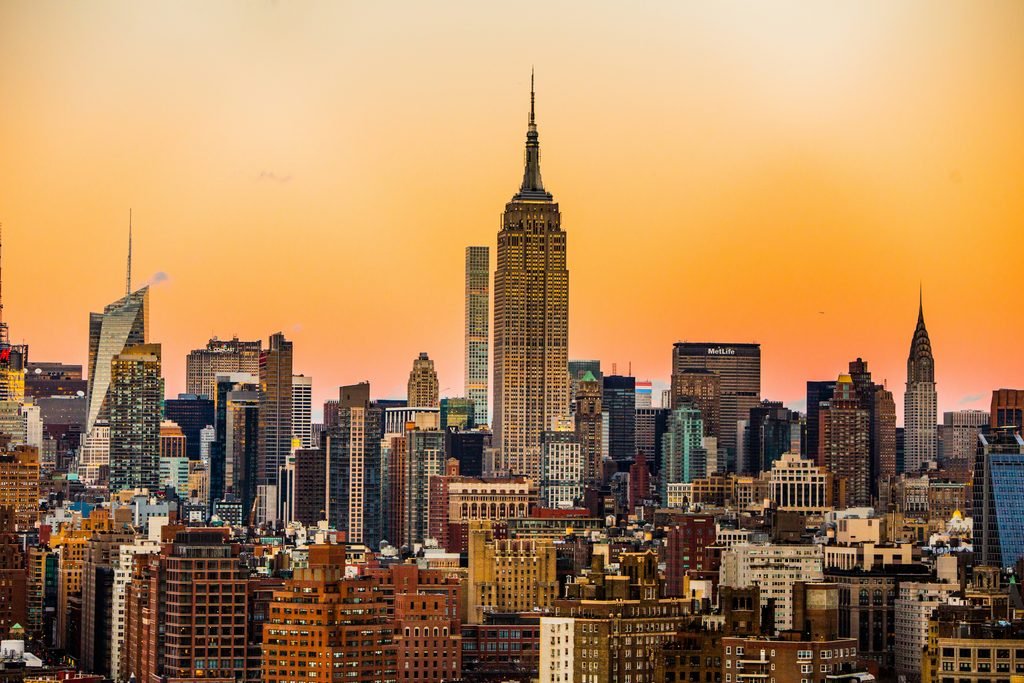
While Boston felt like a vibrant summer home during my time on the East Coast, New York was always home-home. Whenever I needed to clear my head, especially on a crisp and sunny winter day, I would head down to the waterfront gardens looking out toward the Statue of Liberty.
Standing there, watching her silhouette across the water, brings up a profound reflection. From an equity lens, liberty cannot just be an idealised myth or an empty slogan on a pedestal. It has to account for the actual reality of the immigrant experience. True liberty is about survival, dignity, and the fierce hope of people who arrive seeking refuge, only to find themselves navigating a world that often tries to shut them out. It is the heavy, beautiful weight of carving out a life against the odds.
Yet my favourite thing about her has always been the earth angle, the physical reality of the copper and the air. She is famously corroded, wrapped in that striking green patina. Society usually looks at corrosion as something negative, a sign of decay or damage that ruins a structure. But that very same layer of oxidation is what protects the metal underneath, allowing her to stand tall against the salt and wind year after year.
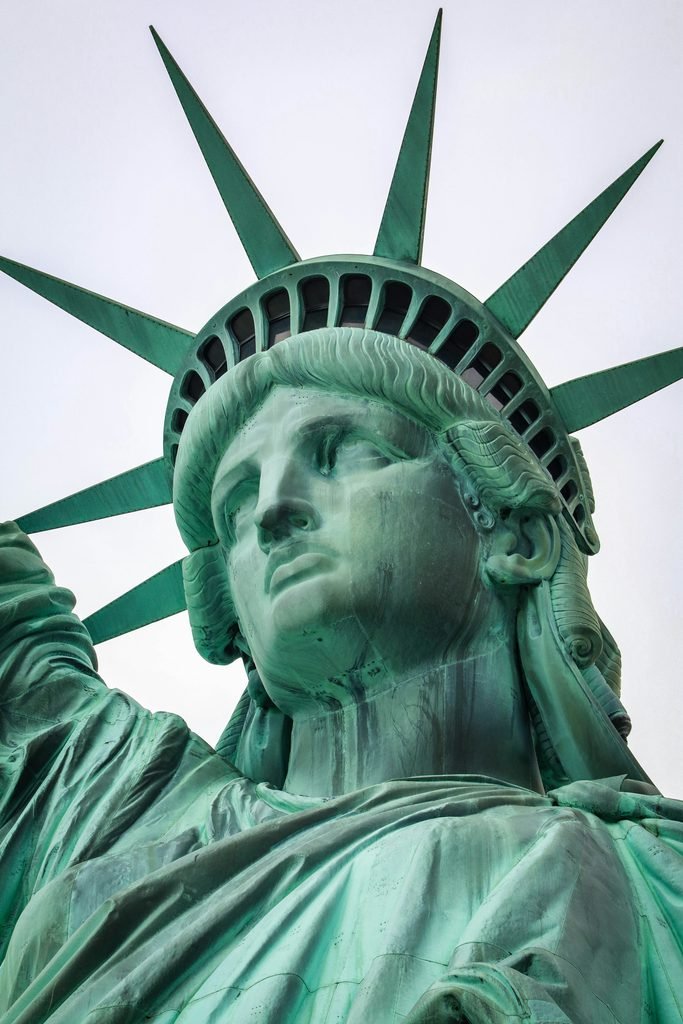
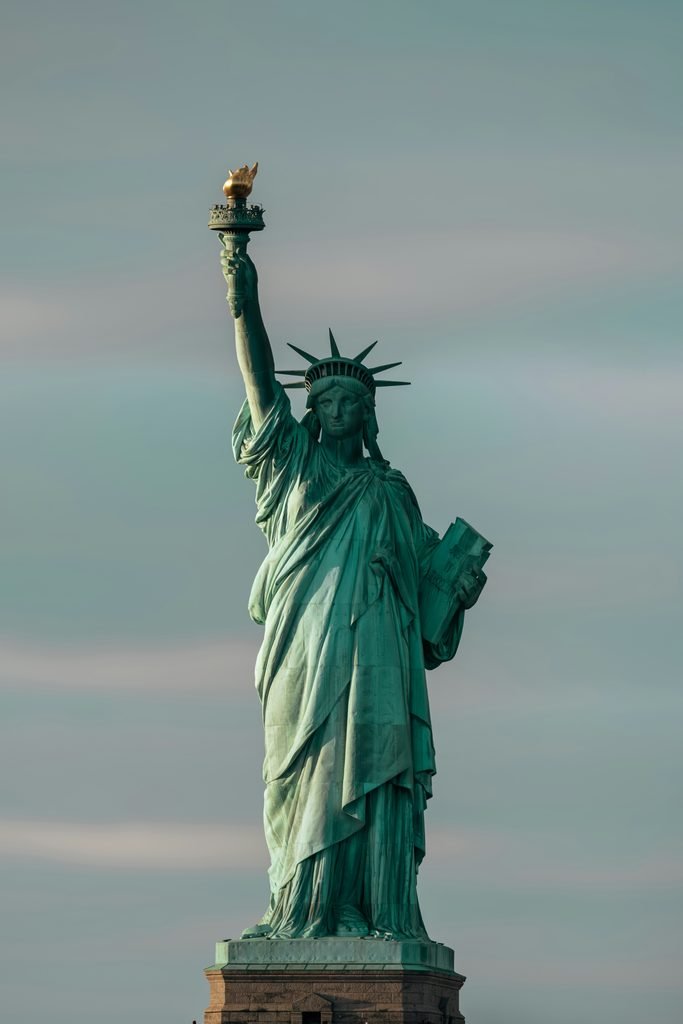
That corrosion is a mirror of spacetime and the immigrant experience. It is the brilliant pop of color, the unmistakable iconicity, the beauty in being different. We are so often conditioned to view wear and tear as a flaw, but that vibrant green hue is what makes her unforgettable. It is the physical proof of endurance, showing that true strength does not come from staying untouched and pristine, but from weathering the storm, surviving the elements, and standing tall because of your scars rather than in spite of them.
Hopes for the Future
I hope my field notes help you think differently about history and the energy of the spaces you interact with. This is just my lens, and you do not have to agree or disagree. This is my attempt to listen to the land and what it showed me, and my only hope is for you to connect in a small way with the world around you intuitively and without looking only at what is historically accurate.
You can still feel the pulse of these enduring energies today. In Philadelphia, the heavy resistance and structural strain of the earth manifest in places like Kensington, where the ground bears the raw weight of systemic neglect and survival. In Boston, that relentless spirit lives on through its alternative communities, the enduring progressive and hippie granola culture that flows through its streets and campuses. And in New York, the unstoppable cultural and political momentum, from grassroots organising to figures like Zohran Mamdani taking center stage, proves that the city is always shifting and demanding a new vision of who gets to belong.
Next time you step onto a historic sidewalk, put away the textbook. Stop looking only at the bronze plaques bolted to the walls. Look down at the dirt beneath your boots, feel the air shifting around you, and let the land speak for itself.