Uniquely Ananta, Enchantingly Udaipur
A B/Vlog by Chef Michael Swamy
“There are places you visit, and there are places that visit you back.”
The Ananta Resort in Udaipur is firmly in the latter category.
The Beginning
It began with a call from Connecting Dots: “Would you curate a Forest-to-Fork experience at The Ananta?”
I said yes instantly, because when an invitation combines food, nature, and the beautiful city of Udaipur, you don’t overthink. Ones dreams are filled with the arravali hills, the beautiful forts and palaces of the lake city.You pack your knives, your curiosity, and maybe a spare pair of dancing shoes.
The Arrival: Where Hills Guard the Lakes
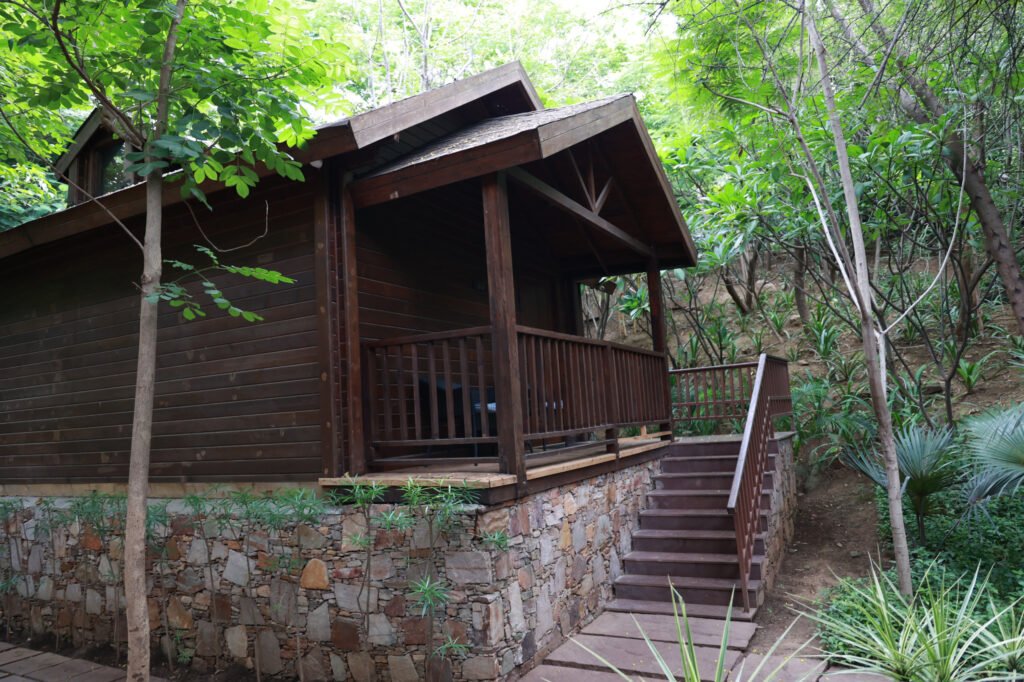
The journey to Ananta feels cinematic; a slow climb into the ancient Aravalli Hills, the city of Udaipur shimmering far below. The last stretch winds through a man-made forest where each tree and bush has been carefully preserved. You can almost hear the land breathing.
Perched on 90 acres of lush terrain, The Ananta is less a hotel and more a hillside village of 243 villas, pathways, and panoramic views. Its owners visionaries with roots deep in Rajasthan’s soil have built more than just a luxury resort. The Ananta Hotels & Resorts is a multi-generational, family-operated business owned and managed by the Goyal family. Mukund Goyal is the founder, and Ashutosh Goyal is a director of the company. They’ve built a sanctuary where the land is respected, the air is clean, and hospitality feels like a homecoming. The veritable forest that they have created along with their Horticulturist Mr. Kamlesh is testament to the fact that people who love nature do exist.
A Room with a View, and a Warm Welcome


The beautiful welcoming ceremony by Hanshi and Rosalyn and the reception team was amazing. The tika and the lamp and the crowning of a Rajasthani turban ceremonious done was a welcoming beautifully done. The first thing I noticed in my villa was the sunlight. Even with the thick tree cover, golden light spilled generously across crisp cotton linens. From the balcony, the Aravallis rose like an ancient fortress, their silhouettes soft against the evening sky.
Neha, the resort’s marketing head, greeted me like an old friend. Her shyness overcame the perfection in which things seamlessly fell into place during our stay.
Soon after, I met Chef Durgesh, who would become my culinary co-conspirator. Dinner at Oasis, the in-house multi-cuisine restaurant, was a comforting initiation. The food had its highs and lows, but the warmth of the staff made every bite feel like it belonged. What was missing was the presence of modern and re-imaginged Rajasthani cuisine. Adaptations to traditional ways of cooking.
Soil to Soul Meets: Cooking Wild
Morning, began at the resort’s organic farm, guided by horticulturist Mr. Kamlesh, who treats his plants as though they were his children. We harvested herbs still wet with dew, pulled fresh vegetables from the earth, and talked about soil as though it were a living language.
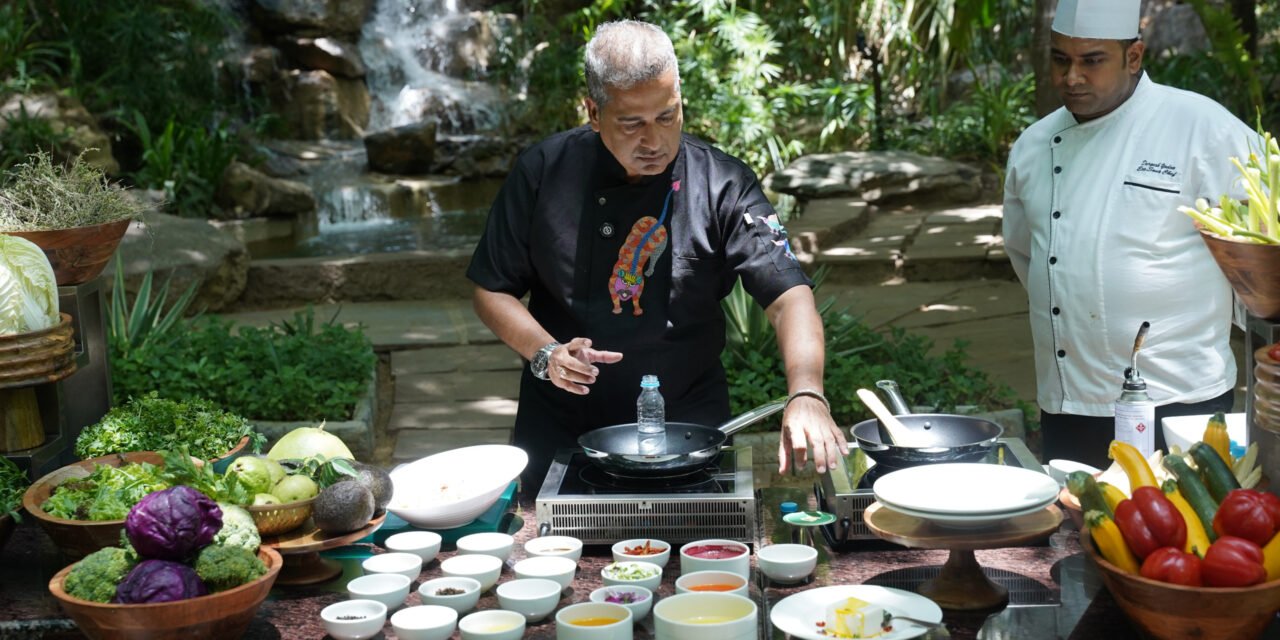
With Chef Durgesh Mayank, Manask and Ankit from “All Things Urban Gardening” who had travelled from Delhi to impart his knowledge of Urban Gardening paired with our cooking skills was an amazing session on integrating people from different walks of life to create some magic. So with their skills and my Cooking Wild philosophy in play, we created dishes right there – minimal ingredients, maximum flavour.
This is what Cooking Wild is about: stepping away from packaged comfort, embracing unpredictability, and letting nature decide your menu.
Later, I wandered the property with my camera. Bulbuls sang from hidden perches, met my favourite bird Mr. and Mrs Tickles and baby, colourful streaked like living sapphires across the lilly pond, and peacocks strutted as if auditioning for a royal court. By evening, the poolside had transformed into Rajasthan’s cultural stage. From flute player to old age musical instruments and at times Ghoomar and Kalbeliya dancers spinning in a blaze of colour under the stars. I didn’t just watch. I danced. Badly, but joyfully.
The Long Goodbye
The corporate Chef Lokesh Verma who is based at the Jaipur property had come down for the event and he and his team along with Chef Durgesh pull off an amazing feat especially when the hotel is full and during peak season. The volume of work and the co-ordination over three restaurants, a night club and two bars was pretty amazing.
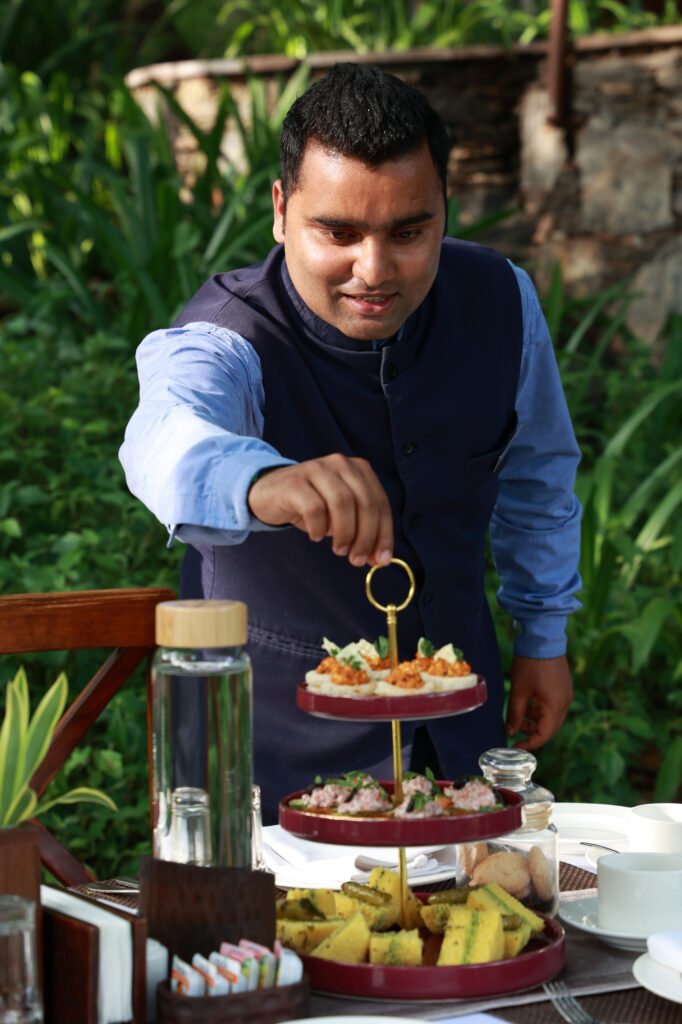
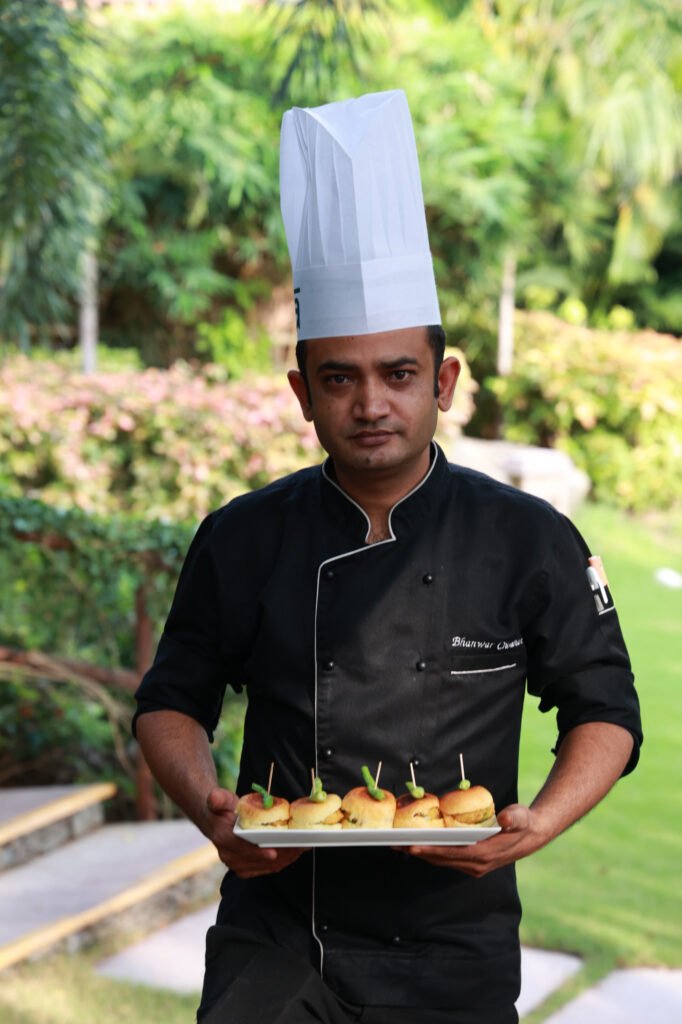
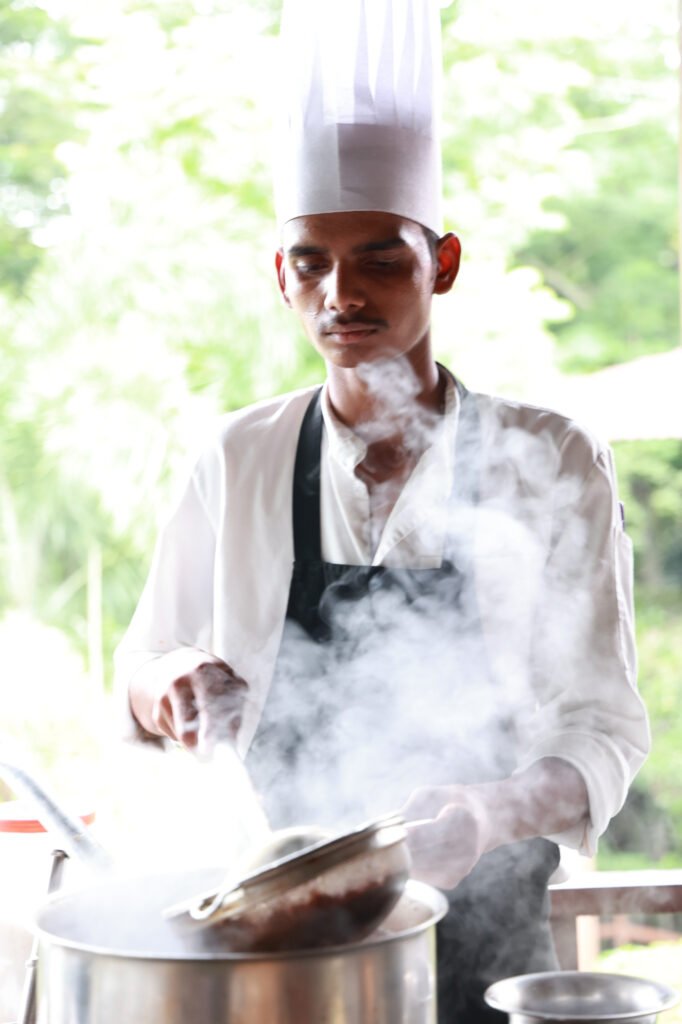
Breakfast over the 3 days brought the perfect French omelette; soft, creamy, folded with care. Preeti and Kashish, two of the waitstaff, fussed over us as though we were family. The croissants beautifully made and it was exciting to watch the tea guy pour tea into glasses and serve the thirsty guests. The buffet though lacked lustre, but I guess it’s also the kind of guests who come there expect such fare of the norm that’s served all over. The excitement of discovery and new dishes with a little nudge could tell the deeper, progressive story of Rajasthani cuisine or modern Indian Cuisine or even the foods of the royals with a twist.
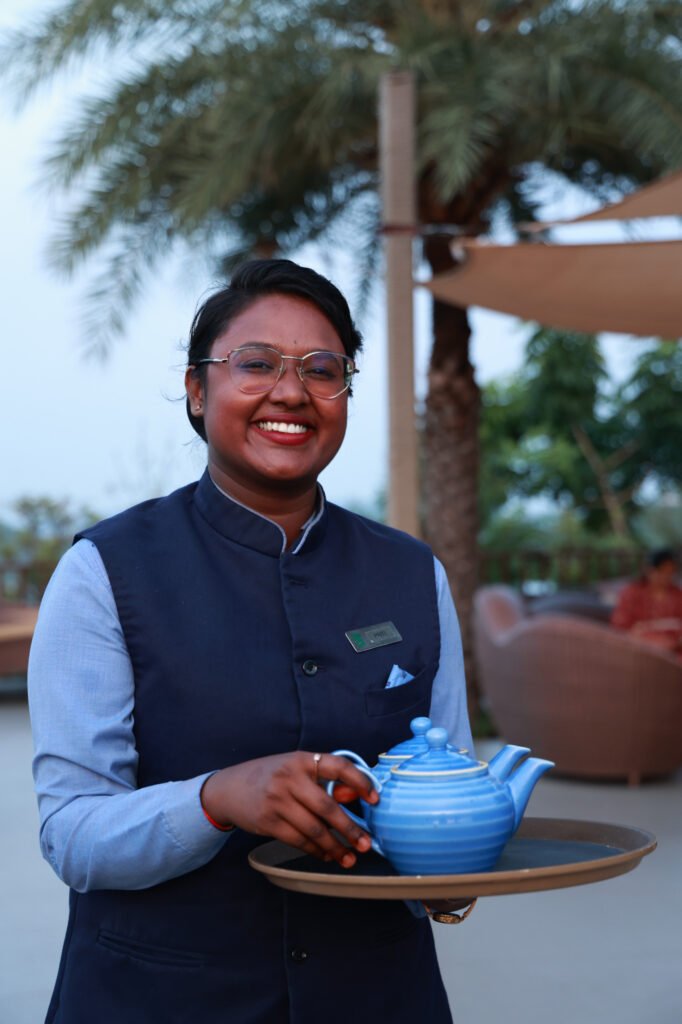
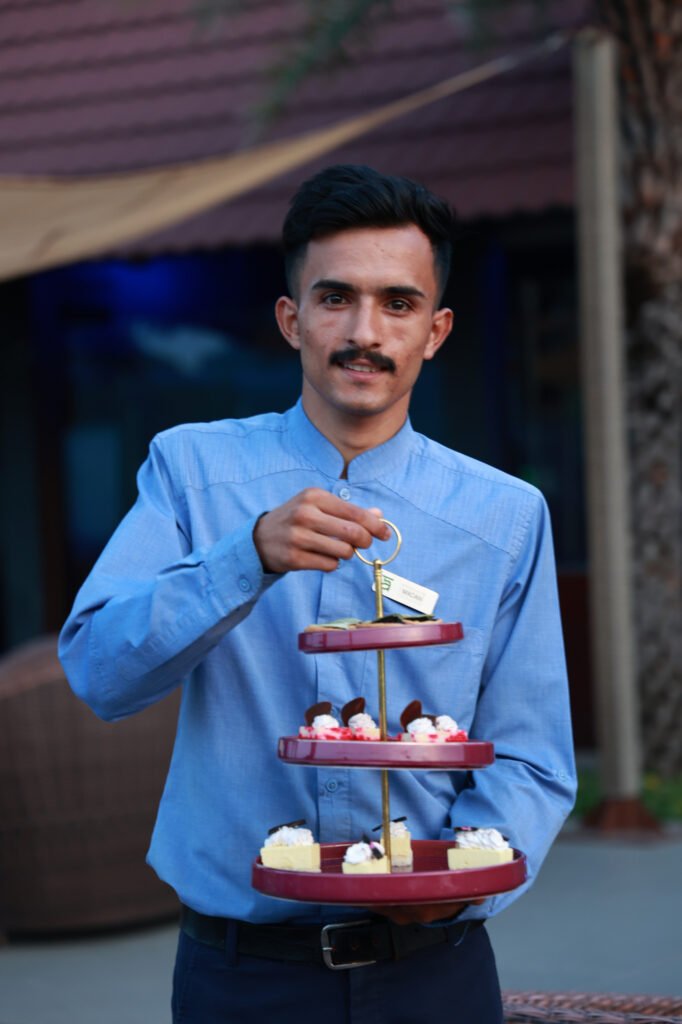
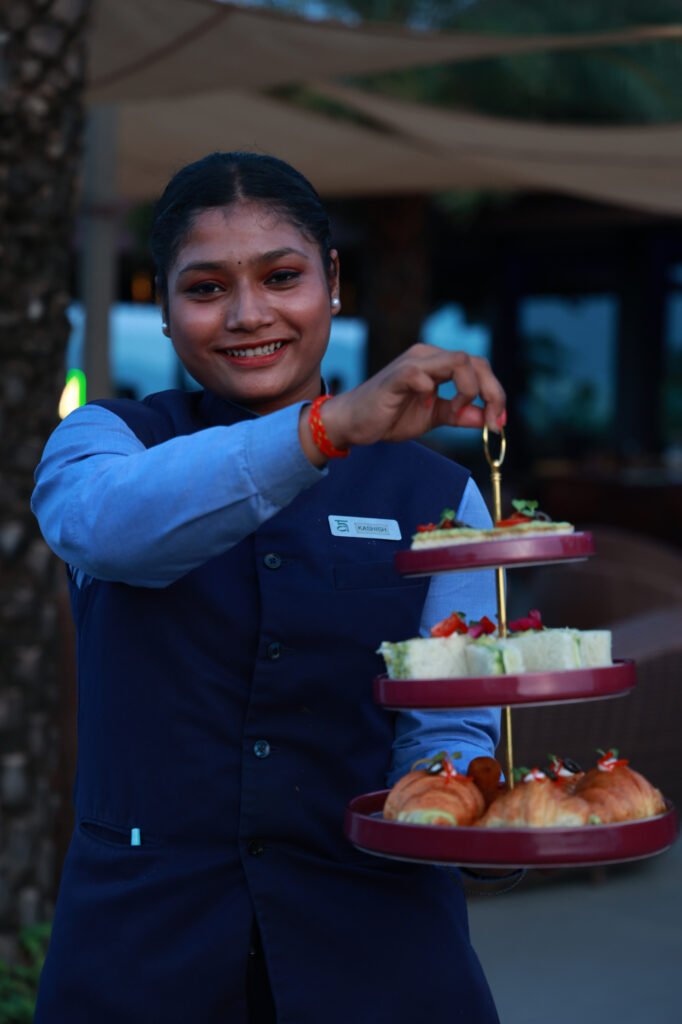
My days were spent on a slow, sunlit walk past the spa which looked awesome but I did not have the time to try out, the archery range, and the mini-golf course, down winding paths lined with wildflowers. I thought about what makes Ananta more than just another luxury escape. It’s the balance: five-star comfort without severing ties to the land; staff who remember your name and your coffee order.
Why Ananta Matters
In a city where palaces and lakes compete for your attention, The Ananta offers something rarer: space to breathe, to taste, to belong. The owners have built not just a resort, but a philosophy, one where luxury and landscape exist in harmony.
For me, it was a stage for what I love most: connecting people to nature through food. Cooking Wild here wasn’t just an activity; it was a conversation between soil and soul, chef and farmer, guest and land.
Travel Notes
- Getting There: 30 km from Maharana Pratap Airport, 12 km from Udaipur Railway Station. Taxis and resort transfers are easily arranged.
- Stay: Choose from 6 categories — from cosy Luxury Cottages to the lavish Presidential Villa.
- Eat: Oasis for all-day dining, Zenith for open-air occasions, Float for cocktails under the stars.
- Do: Organic farming workshops, birdwatching trails, cultural evenings, spa therapies, archery, and mini-golf.
What I took home
The scent of fresh coriander crushed between my fingers. The sound of anklets keeping time with drumbeats. The laughter of new friends around a kitchen counter. And the knowledge that in Udaipur, amidst its lakes and palaces, there’s a hillside where wild things still grow — and you can taste them.
What is Cooking Wild?
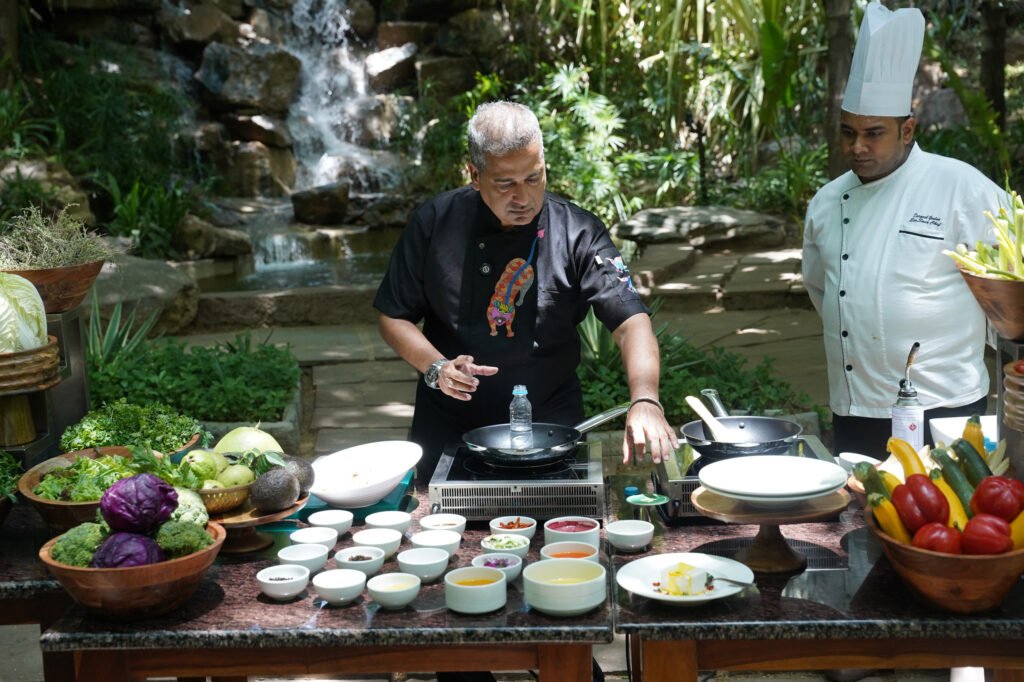
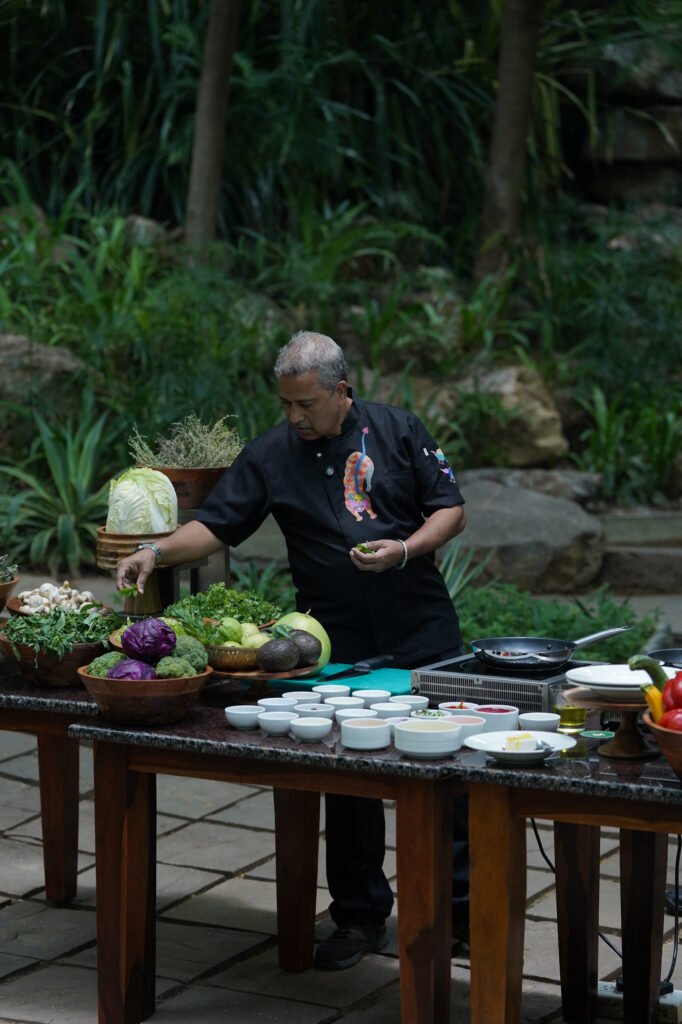
It’s the art of stepping away from recipe books and leaning into the raw abundance of nature. Cooking Wild celebrates seasonal, local, and foraged ingredients — allowing the land, the farmer, and the moment to guide the menu.
At The Ananta, Cooking Wild Looked Like
- Harvesting with Heart: Picking mint, coriander, and microgreens fresh from Mr. Kamlesh’s organic farm at sunrise.
- Minimalist Menus: Creating dishes with fewer than five ingredients — each one freshly harvested that morning.
- Fire & Improv: Cooking over open flames, letting herbs char just enough to release their aroma.
- Plating with the Landscape: Using banana leaves, stone platters, and clay bowls to mirror the resort’s natural setting.
Spontaneous Creations from the Ananta Farm
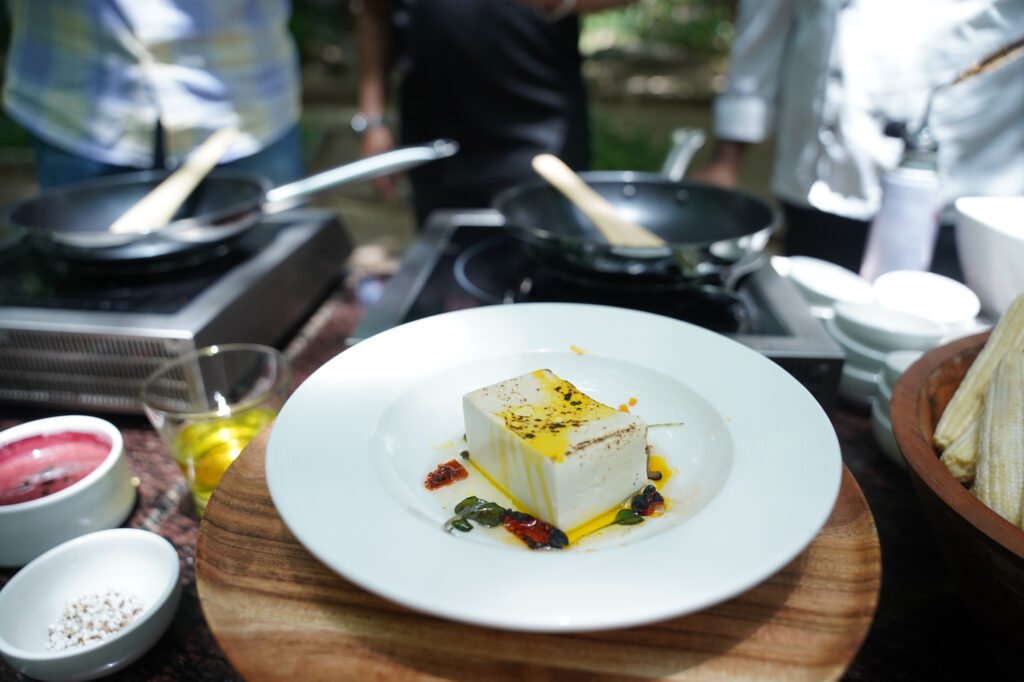
- Grilled Silken Tofu
Fresh lemongrass, mint, and wild basil steeped in hot water; a splash of local honey for sweetness.
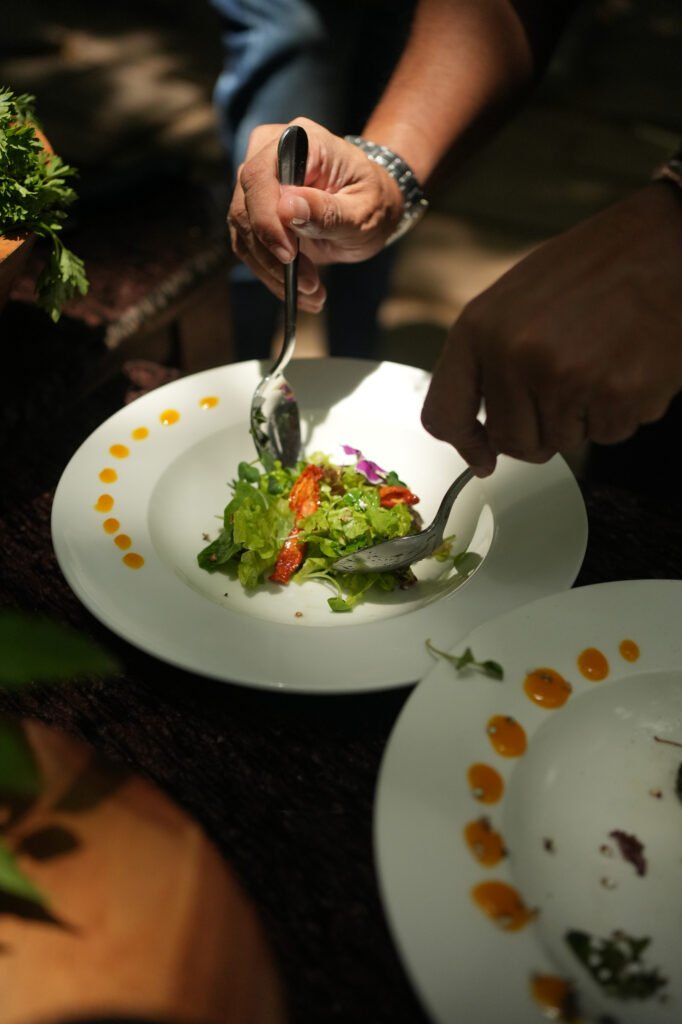
- Earth Salad
Fresh lettuce and local saffron liqueur dressing and mango sauce made for a spiritual dance on a plate drizzled over with edible flowers and micro-greens.
- Rocket Salad
Bread fruit and rocket salad with fruit puree and tulsi and French dressing
- Tea smoked chicken
Chickenmarinated with khad masala and orange juice and then glambeed into deliciousness.
- Avocados with chilli oil dressing
Pro Tip for Cooking Wild Anywhere
- Start with what’s freshest — the ingredient should decide the dish, not the other way around.
- Use minimal seasoning to let natural flavours shine.
- Don’t fear imperfections; they’re where the character lives.
Why It Works At Any Wilderness Resort
The resort’s philosophy of preserving its land and promoting organic farming creates the perfect backdrop. The Aravalli Hills become your spice rack, the farm your pantry, and the evening sky your dining room ceiling.
Photography Kartik Audichya Udaipur
Cooking Wild with Nature’s Bounty: Avocado with Chilli Oil & Beetroot Essence
Sometimes, the simplest ingredients become extraordinary when they’re touched by the wild — herbs plucked fresh, oil infused with a hint of heat, and vegetables in their pure, honest form. This dish celebrates the spirit of cooking with organic produce, turning a humble avocado into a plate of colour, flavour, and vitality.
Avocado with Chilli Oil Dressing
Ingredients
- 1 ripe avocado, sliced
For the Dressing
- 3 tbsp extra virgin olive oil
- 2–3 blanched sun-dried tomatoes, finely chopped
- ½ tsp chilli oil (adjust to taste)
- Salt & freshly ground black pepper
- 1 tsp fresh parsley, chopped
- A pinch of basil dust (dried basil ground into a fine powder)
- 1 tbsp beetroot purée (for plating and earthy sweetness)
Method
- Prepare the Avocado
Slice the avocado lengthwise and fan it gently on a plate. The creamy green flesh becomes the canvas for your flavours. - Make the Dressing
In a small bowl, whisk together olive oil, sun-dried tomatoes, chilli oil, parsley, basil dust, and seasoning. Allow the mix to sit for a few minutes so the oil absorbs the tomato’s tang and the herbs’ fragrance. - Plate with Intention
On a serving plate, smear a spoonful of beetroot purée in a graceful stroke. Place the avocado slices over it, letting the deep crimson contrast against the soft green. - Finish & Serve
Drizzle the chilli oil dressing generously over the avocado. Garnish with extra herbs or microgreens if available. Serve fresh — a dish that’s both art and nourishment.
✨ Tip: This recipe works beautifully as a starter on a wild table spread. Pair it with a rustic sourdough or enjoy it on its own, celebrating the flavours of earth and season.