10 Unexpected Adjustments Moving from India to the United States at 17
A Blog by Pratishtha Natarajan
‘Tis That Time of the Year Again
Right around this time of year, countless group chats and forums are buzzing with a very specific kind of nervous energy. Fall semester is looming, and thousands of international students are figuring out how to pack their entire lives into a few suitcases, deep diving into every vlog and article they can find to prepare themselves for the American college life.
Off to the US at 17

I know exactly what that late-night, slightly panicked research feels like. Before I eventually settled in Australia, I made that exact leap, moving from India to the US at just 17. Because I had grown up on a steady diet of American music and movies, I naively assumed the day-to-day culture wouldn’t feel too alien. Over the next eight years, living across different coasts and spending four years navigating every college living situation imaginable (from triple-bunk beds to shared communal bathrooms and packed suites) I realised how wrong I was.

The greatest comfort of those early years was realising that no matter how diverse the people I met were, we were all in the exact same boat. We were all just as scared and unsure, figuring out how to navigate this massive life transition through shared commonalities and late-night culture sharing.
And then Came the Culture Shock
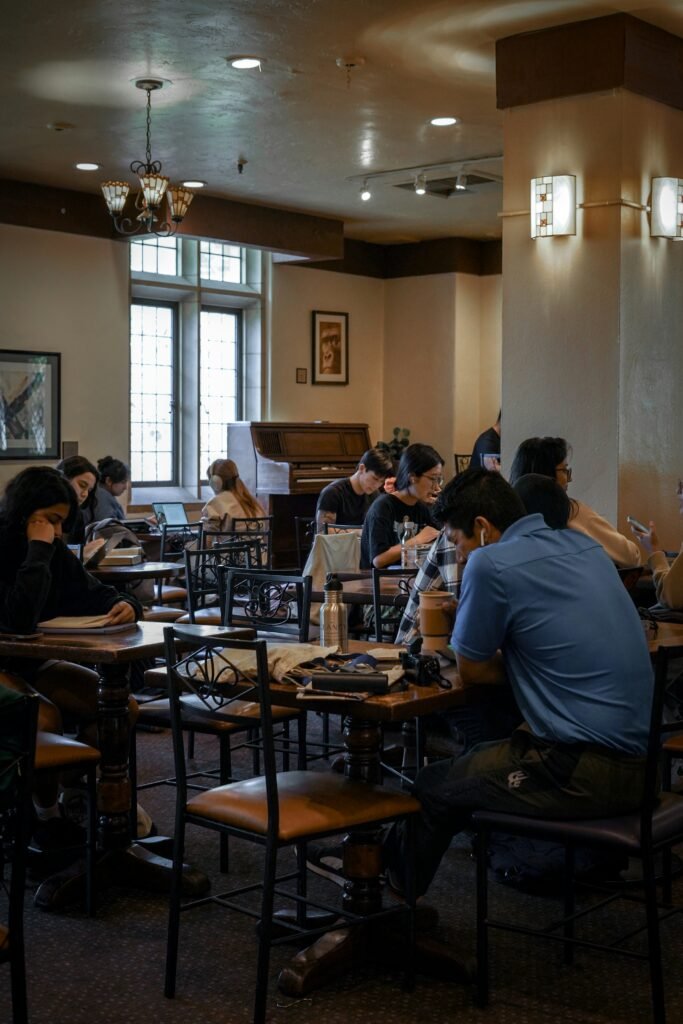
What I quickly learned is that true culture shock in the modern world is rarely about being completely clueless. It’s that slightly jarring, deer-in-the-headlights “uh…” moment when everyday life doesn’t work the way your brain expects it to. The real shock lives in the tiny moments that go completely unnoticed by locals, but weirdly become a mental battle to adapt to, even if they seem so simple on the surface.
Looking back, these differences aren’t inherently “good” or “bad.” I certainly didn’t adopt all of these habits fully but navigating them brought me a surprising amount of reflection and growth. They made me question why I was policing my body so much, and ultimately made me more comfortable, relaxed, and willing to bring up scarier, “not allowed” topics with my family, too.
Here are ten everyday things that truly shocked me as an international freshman, and how they helped me grow.
1. The Casual Dorm Room Nudity
Growing up in India, modesty and privacy around changing clothes are practically built into our DNA. You learn the intricate art of changing under a towel or slipping into the bathroom to get dressed. So, moving into an American dorm was a wild awakening. Roommates would walk out of the shower, drop their towels, and casually have full conversations while completely naked, taking their time to get ready. There was zero hesitation and zero shame.
What I learned: I realised just how inconvenient my routine was as I tried to do this elaborate dance of not letting my towel fall off my body, all while my friends were so liberated and free.
How I adapted: One day, I internally decided to just say screw it and took baby steps. I would keep my underwear on, take off my towel to dry my body, and then put on the rest of my clothes.
2. The Invisible Body Hair Privilege
For many Indian women, hair removal is a highly regulated, very visible part of life because our body hair tends to be dark and thick. If you miss a few days, you know it, and everyone else knows it. Suddenly, I was surrounded by light-skinned girls who just didn’t shave. I honestly do not know why I didn’t realise that blonde girls have blonde body hair. It sounds so silly, but the thought genuinely did not cross my mind! They could go weeks without it being noticeable.
What I learned: When I figured this out, I admitted to my friend how incredibly jealous I was. It helped me realise that body hair is ultimately just a societal expectation.
How I adapted: While I still like to remove my hair and shave regularly, this realisation helped me be much more relaxed about it. I do not always need to be perfectly hairless, and I have found genuine comfort in that balance.
3. The Changing Room Buddy System
In India, a fitting room or a bathroom stall is a strict one-person sanctuary. In the US, I quickly learned about the phenomenon of the shared changing room. Friends would casually squeeze into the same tiny clothing store cubicle to try on outfits together, zipping each other up and giving immediate feedback. The same rule somehow applied to bathroom stalls on nights out.
What I learned: There is a real joy in trying out clothes and vibing with your friends. I learned to appreciate the intimacy of those moments, and I have actually had some of the best conversations with people in changing rooms or toilet stalls.
How I adapted: I started appreciating intimacy in completely different forms within my friendships and relationships.
4. The Trash Bag Luggage Phenomenon
When Indians pack for a trip, let alone a move across the world, we use sturdy suitcases, meticulously packed and secured. Move-in day at my US dorm was a completely different cinematic experience. I watched in awe as students hauled their entire lives into the building inside heavy-duty, black garbage bags. The absolute craziest part was seeing that some of these trash bags had actual, official airline baggage tags slapped onto them.
What I learned: Once I got over the initial shock, I thought, wait a minute, how convenient! Especially if you are moving nearby. I always struggled with figuring out where to stuff my empty, heavy suitcases in a tiny dorm, meanwhile, my friends had so much more built-in space.
How I adapted: I admittedly still do not use trash bags to move, but I have definitely found more unique storage purposes for them and sometimes use them to organise my art supplies.
5. The Parent-Child Paradox
The dynamic between American kids and their parents is a fascinating contradiction. On one hand, the way they spoke to their parents at such a young age was incredibly casual, sometimes even arguing with them like peers or calling them by their first names. In Indian culture, the hierarchy of respect is heavily enforced. But on the other hand, the sheer level of independence demanded from these same American teenagers was staggering. At 18, they were expected to figure out their own student loans, handle their own medical appointments, and be entirely self-sufficient adults.
What I learned: I was honestly so envious of the chill dynamic my friends had with their parents at first. But once I saw the responsibilities that came with it, like the expectation to move out so young and handle everything alone, I realised we all have challenges in different ways. It is a classic “grass is always greener” situation.
How I adapted: I became internally grateful for the deep support network I had, while actively trying to build more openness and communication with my family in the small ways that we could.
6. The Joy of Service Staff Small Talk

In the US, the casualness and friendliness of hospitality staff is unmatched. A barista or a cashier will look you in the eye, ask how your day is going, and genuinely chat with you while ringing up your items. The entire concept of small talk with strangers is woven into American daily life.
What I learned: Human connection makes everything a thousand times better. I found myself going back to the same stores over and over simply because they had better, friendlier service.
How I adapted: I started actively initiating these conversations rather than just politely responding to them.
7. The “Mine vs. Ours” Restaurant Etiquette
In India, going out to eat inherently means sharing. You order for the table, and everyone samples a bit of everything. I didn’t even realise there was an official term for it until I moved to the US and saw restaurants explicitly labeling it as “family style.” In America, the default expectation is that you order your own meal and you eat only off that plate.
What I learned: To respect people’s boundaries without having an expectation that they need to share. It is completely okay if they do not wish to share their food.
How I adapted: I started recommending that we get a shared appetiser for the table so we had some stuff to enjoy “family style,” while still offering tastes of my own food and welcoming people to share my “individual” meal with me.
8. The Night Shower Routine
For me, starting the day without a morning shower was entirely unfathomable. It’s the reset button you need to wake up and get ready for the world. So, realising that many Americans strictly shower at night before bed was a major adjustment.
What I learned: To each their own! Hygiene isn’t a strict formula card or a rigid routine that everyone has to follow perfectly.
How I adapted: I no longer put intense pressure on myself to shower before a 6:30 AM workout. I just shower the night before, and then again after my workout. It really helped me ease up on myself.
9. Blurry Boundaries with Other Adults
Much like the dynamic American kids have with their own parents, the lines of formality with other adults, like friends’ parents, are vastly different. In India, you address elders with specific titles and stick to respectful, surface-level topics. Here, I found myself navigating a world where my friends’ parents would tell me to call them by their first names and openly discuss casual topics.
What I learned: These “aunties,” as I would lovingly call them, showed up, supported me, and offered me wonderful advice. Even though the boundaries were blurred, the advice was still decidedly parental and caring.
How I adapted: I started treating them as human beings rather than just authority figures. I would try to use less slang and no swear words out of respect, but it helped me learn about their lives and get to know them as actual people.
10. The Secret Behind Massive Portion Sizes
When I first started eating out in the US, I used to stare at the massive plates of food and wonder how anyone could possibly finish them in one sitting. It seemed excessive. Then, I finally understood the culture of the “to-go” box.
What I learned: Food actually tastes better sometimes when you take it back home. There is a sheer joy in knowing you already spent the money, so your next meal is technically already budgeted for in your head.
How I adapted: I became realistic about how to split my meals right when they arrived at the table to make the most out of them.
Adapting to a new country is rarely about memorising maps or laws. It’s a series of interesting, sometimes hilarious, little adaptations. Over the years, I have genuinely come to love a lot of these things in varying degrees. None of it is inherently good or bad. It is simply the beautiful reality of stepping outside the only world you’ve ever known and allowing it to change you for the better.
Embracing the “Uh…” Moments
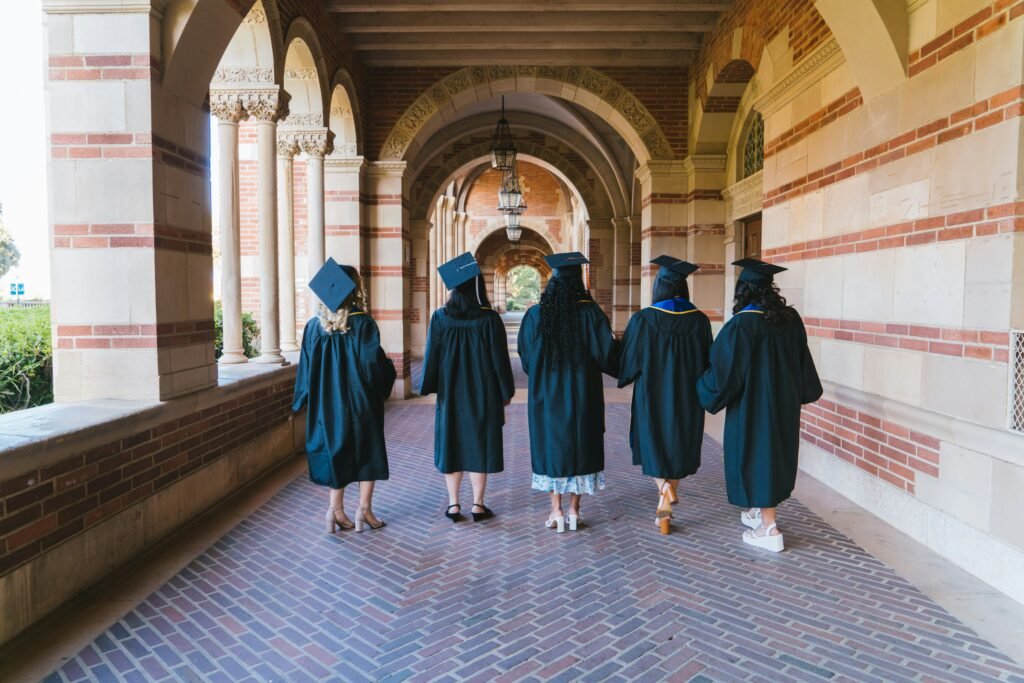
I focused on the US college culture here because it framed so much of my early adult life and my very first experiences outside of my childhood home. If you are packing your bags for the US this fall, I hope these points give you a little peace of mind.
But the truth is, this phenomenon isn’t entirely location specific. As I settle into my current life in Australia, there are completely different elements of daily life that shock me all over again! The exact same is true even if you are just moving out of your parents’ house for the very first time.
What I hope this list shows is that even when you find new cultural norms jarring or downright weird at first, it always comes back to a golden rule I learned in my Psychology of Human Sexuality class: don’t yuck someone’s yum. You don’t have to engage in a practice if you aren’t comfortable with it, but true growth and mutual respect are born out of honouring that boundary. After all, if you find their habits weird, they almost certainly feel the exact same way about yours!
After the Shock, Comes the Magic

The magic happens when you ask questions politely, learn from others, and let them learn from you. Co-creating and growing together is where I have found the most profound transformation. Wherever you are in your journey, I highly encourage you to actively seek out diverse groups of people, different attitudes, and new ways of thinking.
“Shock” is not a bad word. It simply means we have stepped outside of our comfort zones. And that is a beautiful place to be.
I would love to hear about your experiences! What was your biggest culture shock when you moved away from home, and what elements did you end up adopting? Please share what resonates with you!