
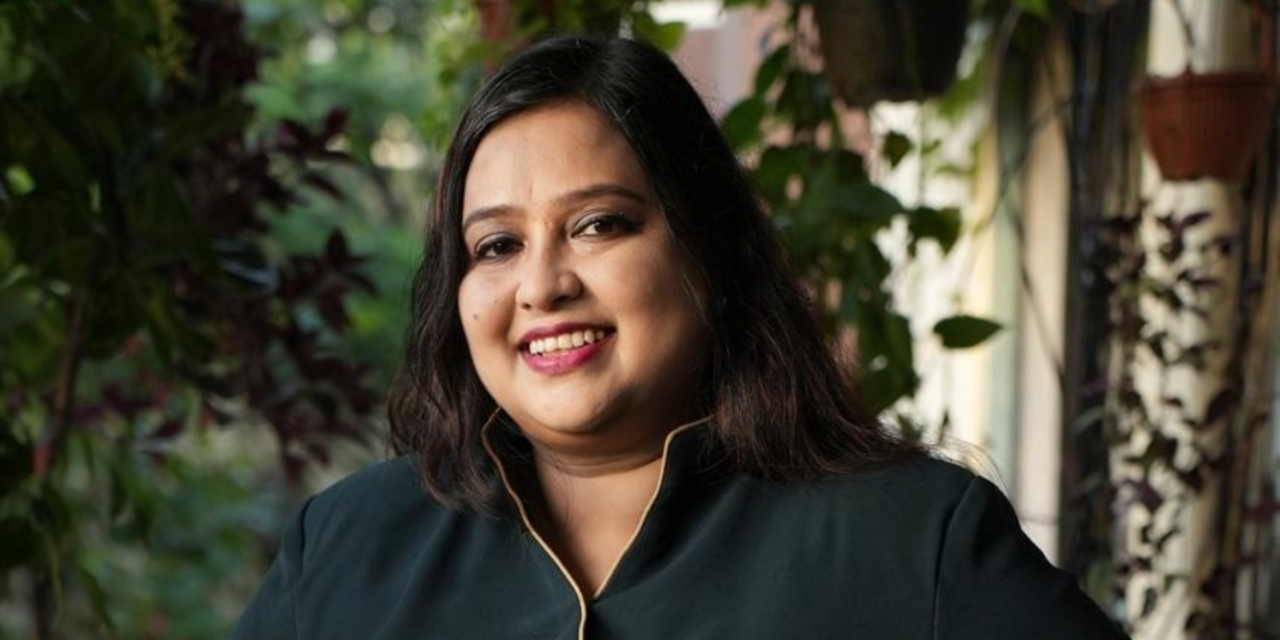
Heritage Storyteller, Self Taught Chef, Curator of Bengali Muslim Cuisine
Is she a culinary storyteller?
If one were to look for an example, Chef Bilkis Khan would fit the description beautifully. She is a heritage culinary storyteller whose work lies in preserving culture through food.
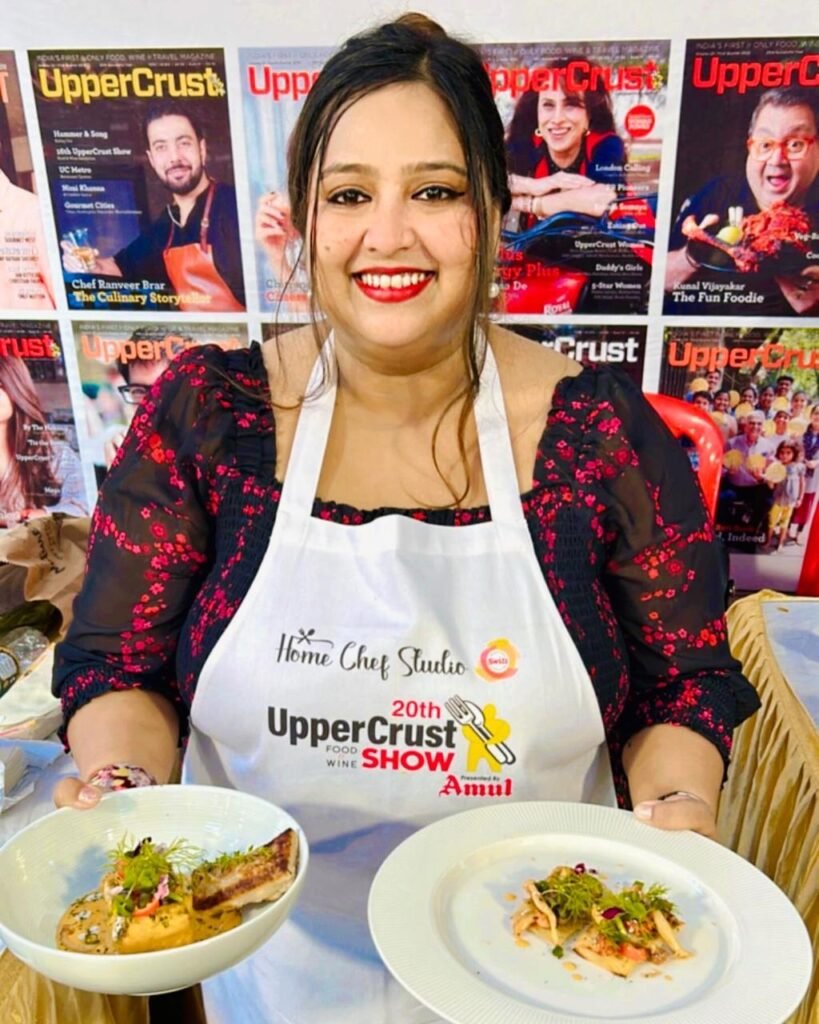
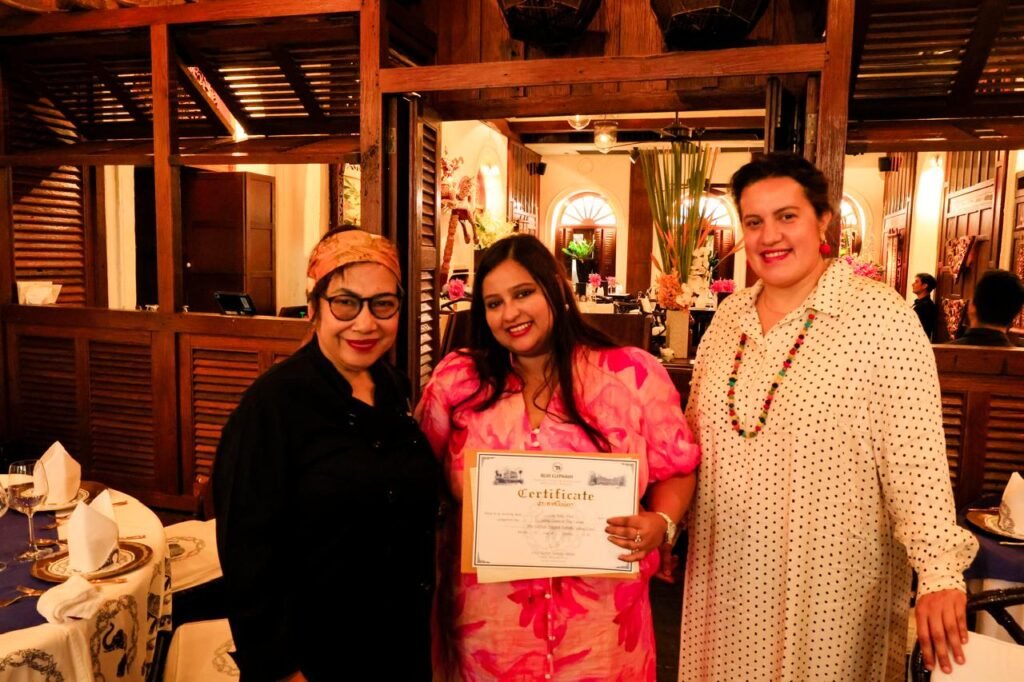
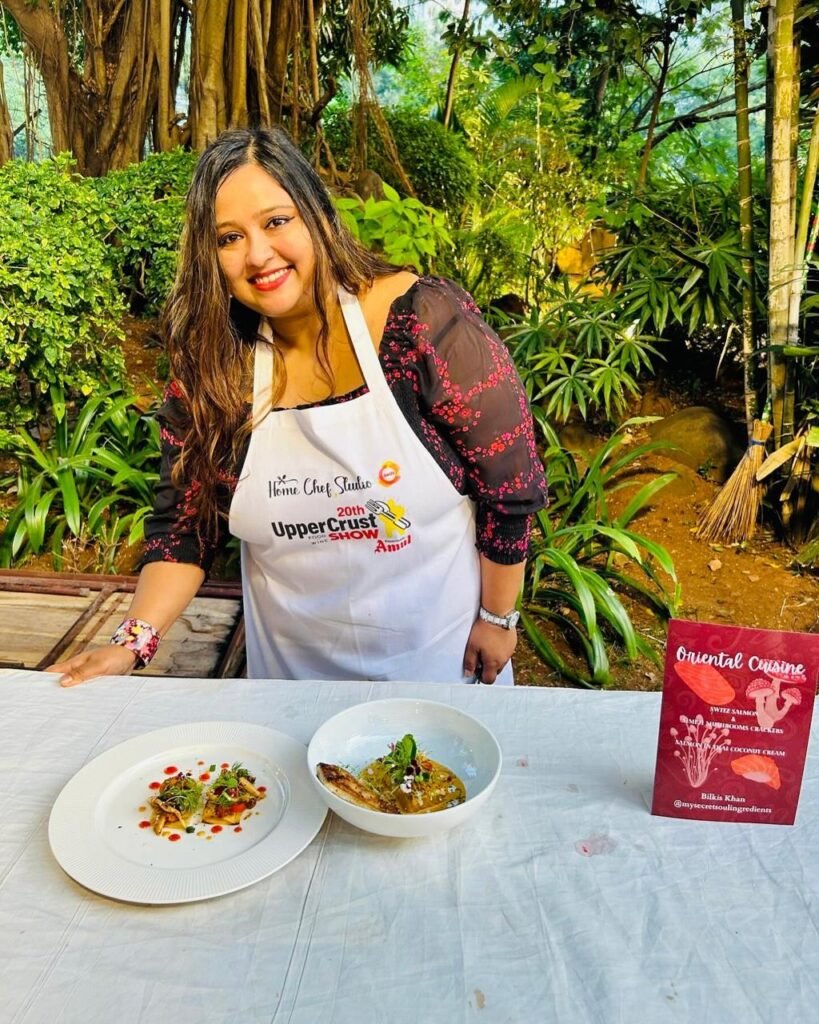
Chef Bilkis Khan is a self taught chef, winner of UpperCrust 2023, a supper club curator, flavour and menu consultant, and a culinary voice working to preserve the recipes of Bengali Muslim families. These recipes have lived for generations inside homes but rarely find their way into cookbooks or professional kitchens.
Her journey is not one built in luxury kitchens or culinary institutes alone. It has been shaped across family kitchens, community meals, and the many cities she lived in because of her husband’s transferable job. Above all, it has been shaped by the resilient women of her family whose recipes formed the foundation of her culinary identity.
Delving Deeper into Bilkis’s Background
To understand Bilkis Khan’s cuisine, one must first understand the layers of culture that shaped it.
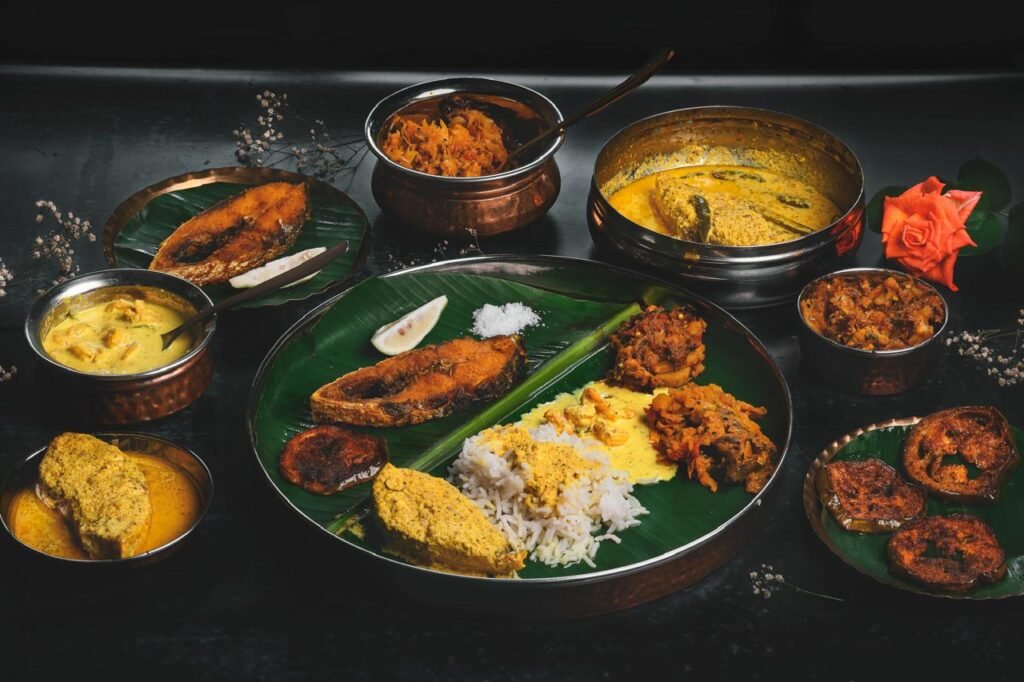
Her culinary roots lie in the Bengali Muslim food traditions of West Bengal. Her family belongs to a district influenced by the Rarhi food culture, a rich culinary heritage of rural Bengal known for its balanced spices, seasonal produce, freshwater fish, and deeply rooted cooking techniques.
Her food also carries the influence of Kolkata’s Awadhi and Mughlai traditions, which evolved under the Nawabs of Bengal. Growing up in a Sufi saint family, she also inherited recipes and traditions specific to her lineage.
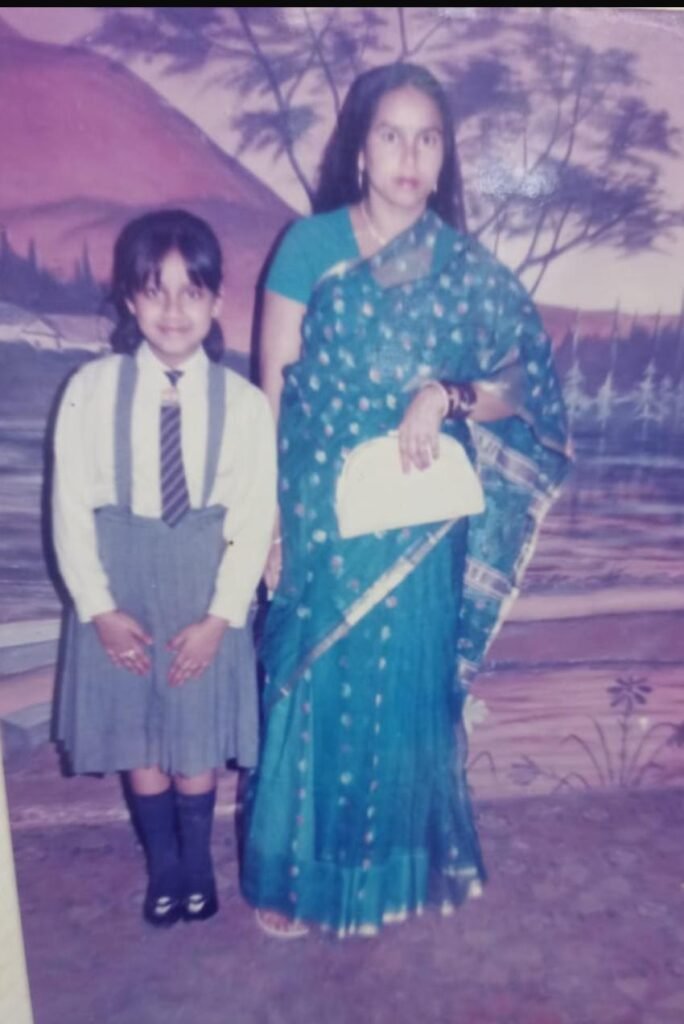
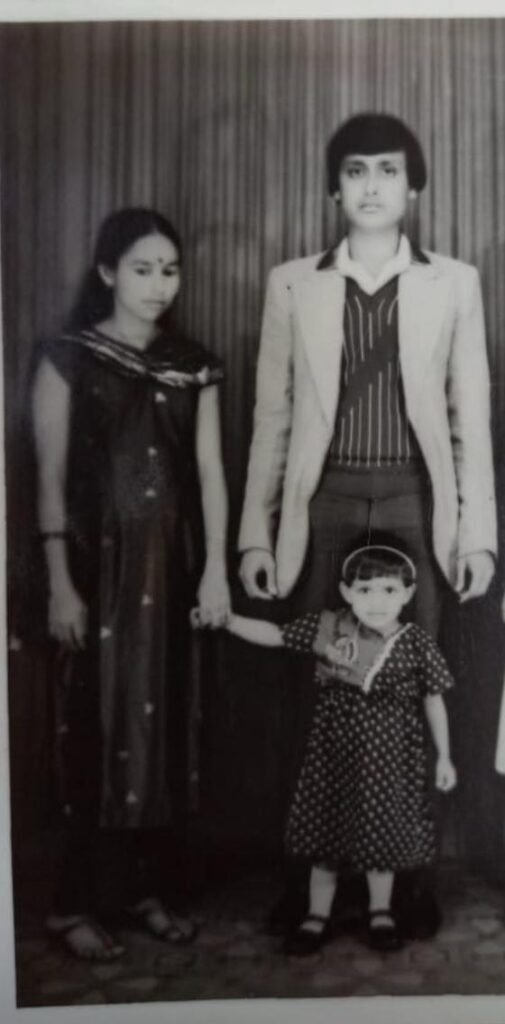
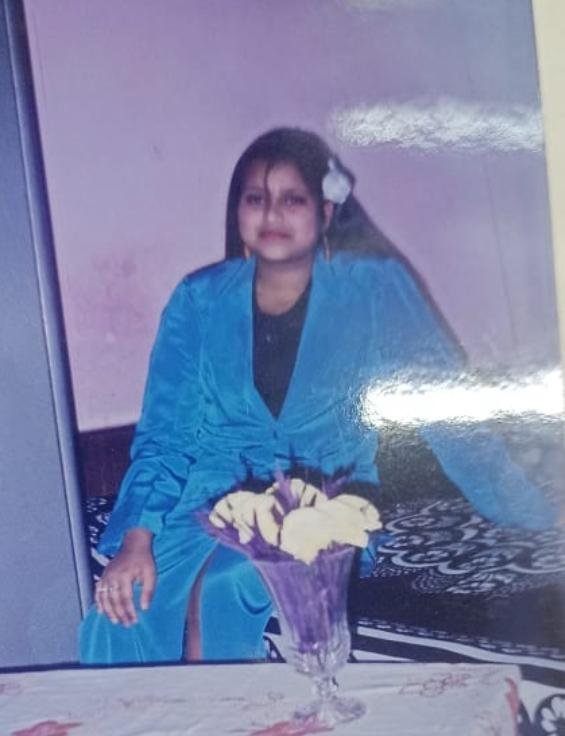
Her family had run a bakery business in Shillong for generations called Floury. The bakery reflected colonial and Awadhi baking traditions and served fruit cakes, cream rolls, vegetable puffs, pastries, bakarkhani, and a wide variety of cookies. These flavours and techniques quietly became part of her culinary memory.
Today, her cuisine reflects these many influences:
• Traditional Bengali Muslim heritage cooking
• Rarhi regional food traditions of West Bengal
• Kolkata Awadhi and Mughlai influences
• Nawabi culinary traditions of Murshidabad
• International techniques learned later in life
Knowing Bilkis Khan
Chef Bilkis Khan was born and raised in Shillong in a simple Bengali Muslim family.
Though Shillong was her home, her family roots remained in Kolkata. Every year she travelled there, moving between the homes of relatives, her dadi’s house, nani’s house, her aunt’s home, and her mama’s home. Each household kitchen carried its own quiet identity. Though the cuisine belonged to the same community, every home preserved its own recipes, techniques, and signature dishes passed down through generations.
Food was never just nourishment. It was memory, season, and story.
Meals and Seasons
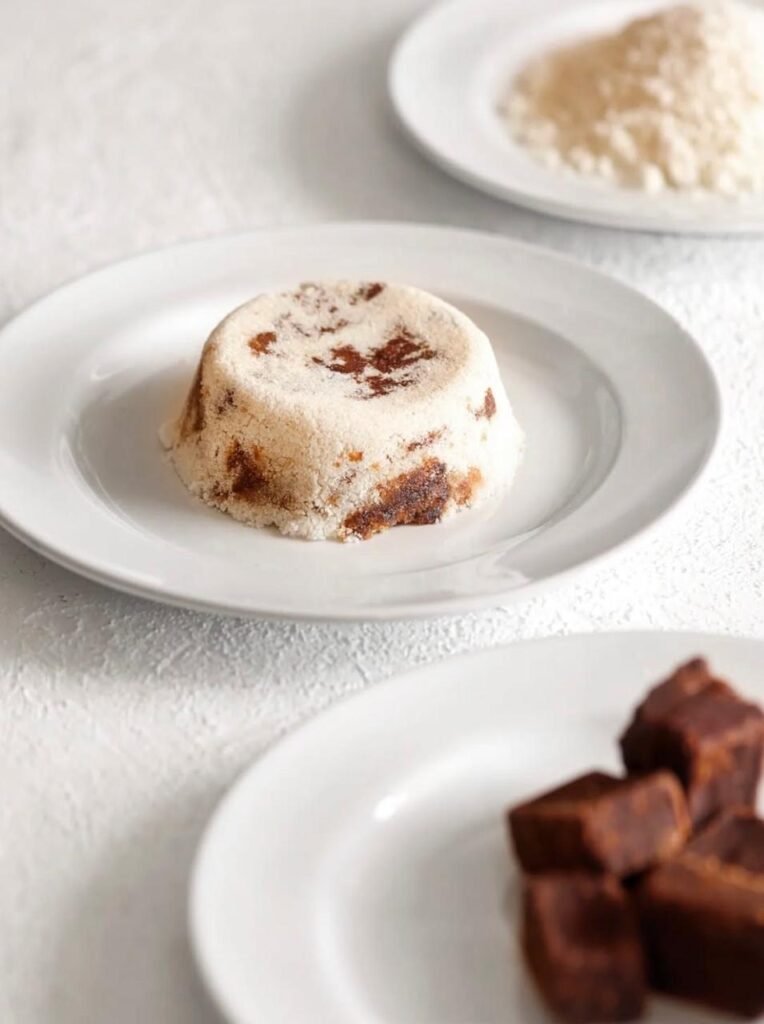
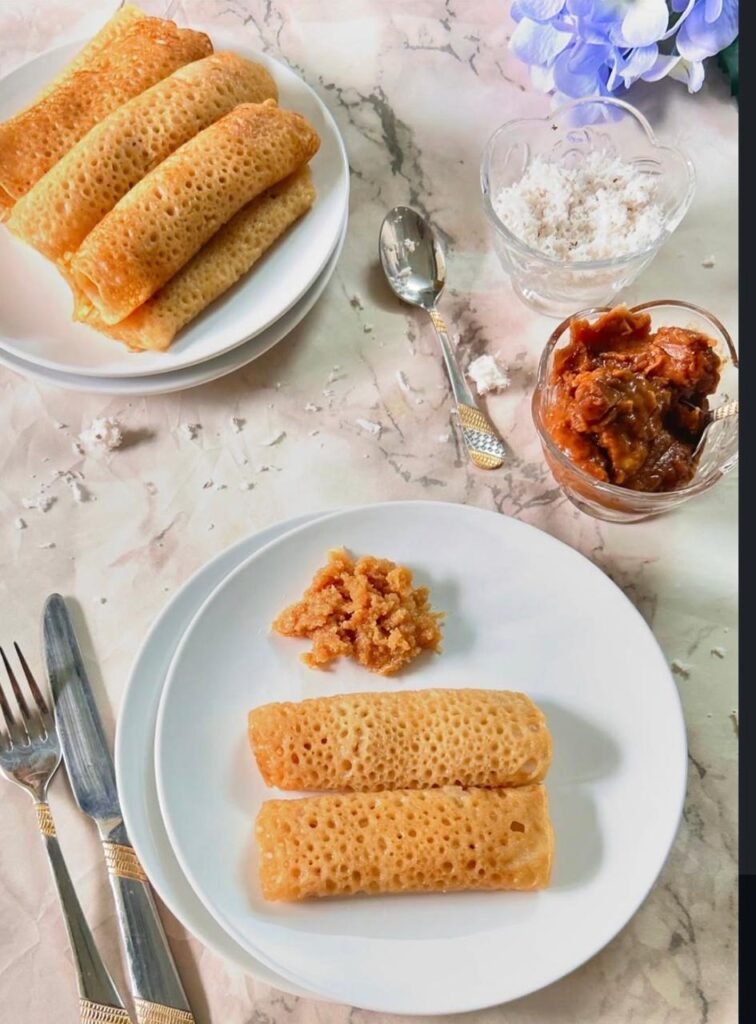
Winter was the most abundant time. Families gathered for long meals where traditional sweets such as pethe puli and pakan pethe were prepared using rice flour, coconut, and fragrant nolen gur, the fresh date palm jaggery of Bengal. The table would also feature pond fish, slow cooked meats, and seasonal vegetables such as radish, flat beans, and tender greens cooked with lentils or mustard oil.
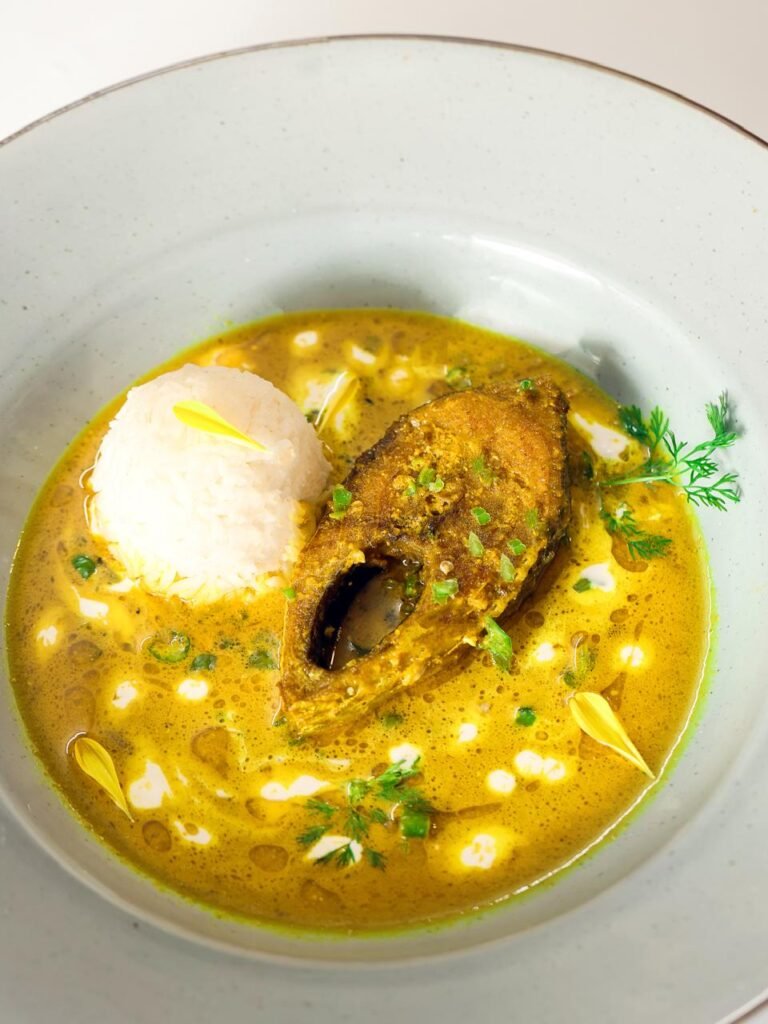
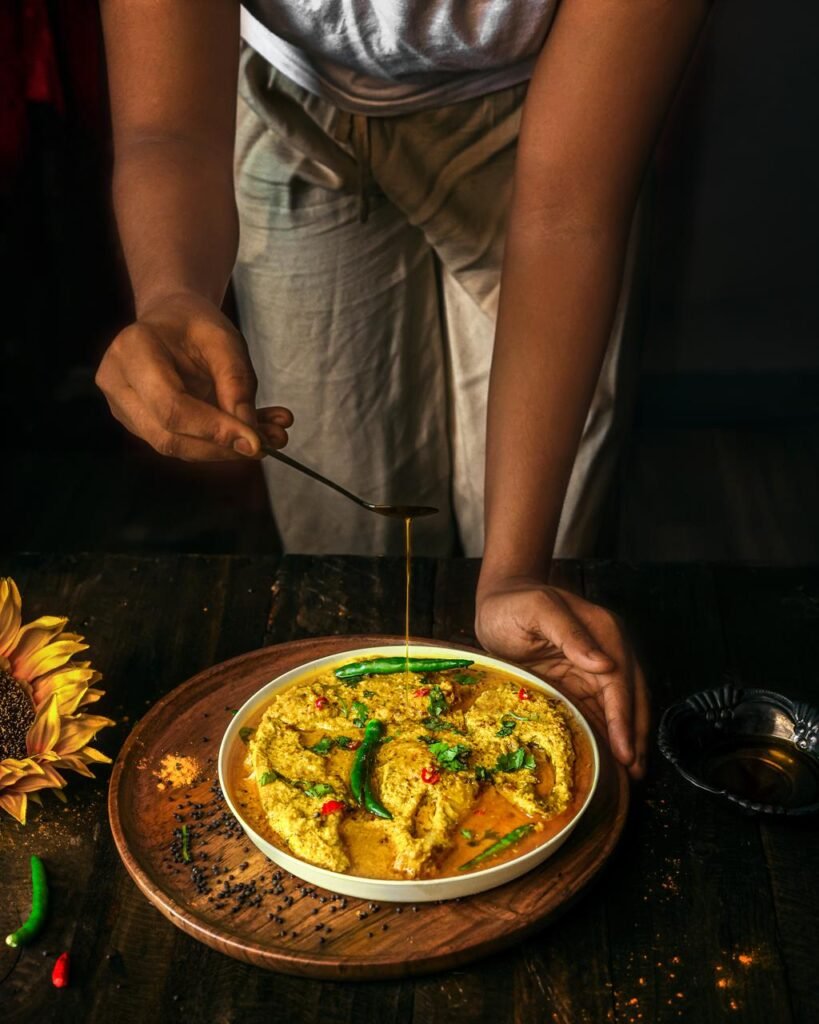
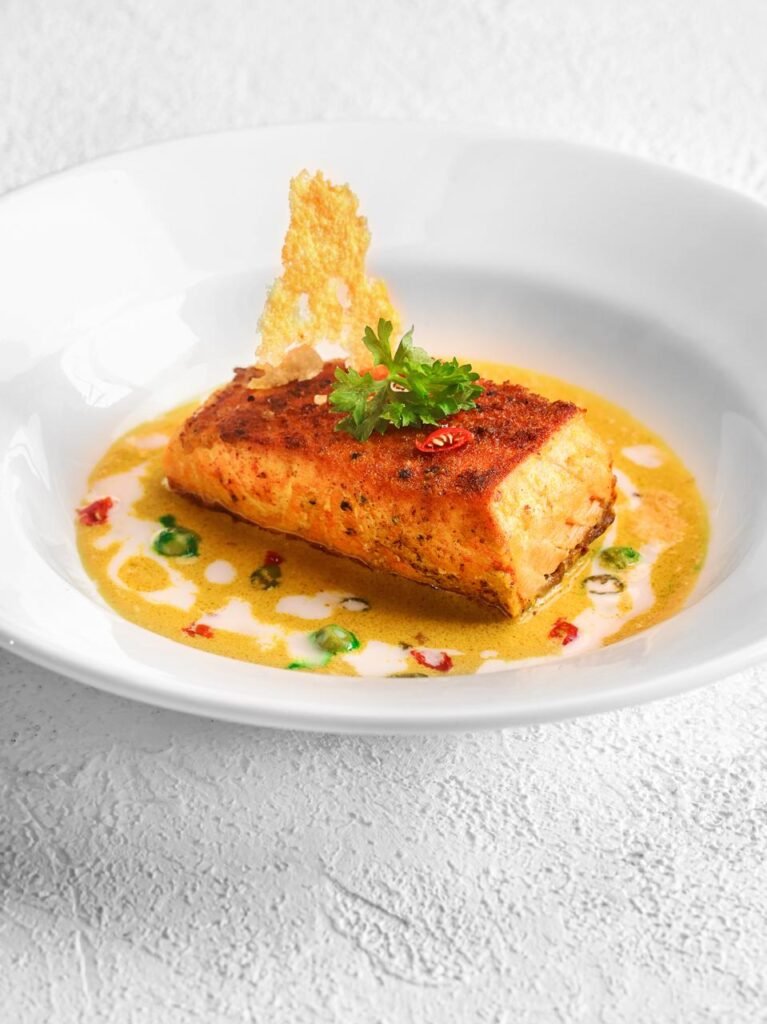
With the arrival of the monsoon came the beloved hilsa season, celebrated almost like a festival. Hilsa, or ilish maach, was prepared in many ways steamed with mustard paste, cooked with eggplant, wrapped in banana or pumpkin leaves, or simmered in mustard gravy. One of the most iconic dishes was shorshe ilish or bhapa ilish, a preparation loved equally by Bengali Muslims and Hindus.
Summer brought lighter foods and the ritual of preserving mango pickles, green mango chutney, aam kasundi, and fermented pickles stored carefully in glass jars. Meals often featured light fish curries, vegetables cooked with poppy seeds or mustard, accompanied by Govindo Bhog rice, yoghurt, and cooling drinks.
During Ramzan, kitchens followed a different rhythm. Families prepared nourishing dishes for iftar such as fruit platters with kejur and cheere chola, haleem, keema ghugni, kebabs, and other shared foods that were generously distributed among neighbours and relatives.
Across spring, summer, monsoon, and winter, the food of the household mirrored the changing seasons, each dish carrying the stories and traditions of its time.
These kitchens became her first culinary school.
She often says that the best cooks in her life were the women of her family her mother, grandmothers, aunts, and relatives. They were extraordinary cooks whose recipes rarely reached the outside world because they were never trained professionally.
Perhaps that is why preserving their food has become her mission.
A Childhood Love for Cooking
Bilkis began cooking when she was just nine years old. She loved helping her mother in the kitchen and would sometimes cook secretly when her mother was not around. She would share the food with neighbours simply for the joy of feeding people.
What she loved most was not just cooking but feeding others.
Community meals were a big part of her upbringing. During Eid, family gatherings, and winter holidays, her mother would cook elaborate feasts and invite people over. Food was always abundant and shared with joy. Without realising it, these moments shaped her understanding of hospitality and generosity.
A Journey Interrupted
Encouraged by teachers who recognised her talent, Bilkis enrolled in hospitality studies. But life took an unexpected turn. Family responsibilities forced her to leave her studies midway. Marriage followed, and she became part of a family connected to the lineage of the Nawabs of Murshidabad.
This introduced her to another extraordinary culinary tradition the Nawabi cuisine of Murshidabad, known for its rich biryanis, kebabs, pulaos, festive curries, halwas, and ceremonial dishes.
Her mother in law, an exceptional cook, became another mentor in her culinary journey. Although she never completed formal culinary school, Bilkis continued learning through experience and proudly embraces the identity of a self taught chef.
Learning Through Life
Her husband’s transferable job meant moving across India Jalandhar, Chandigarh, Jaipur, Noida, and now Mumbai. Each city added new influences and new experiences to her culinary journey.
In Jaipur she became known among friends and community members for hosting gatherings and cooking elaborate meals. But it was during the lockdown in Noida that her culinary journey took a new direction. She had earlier worked with Taj Chandigarh and Barclays Bank and was doing well professionally. Yet cooking remained her deepest passion, and she continued participating in culinary contests whenever she could.
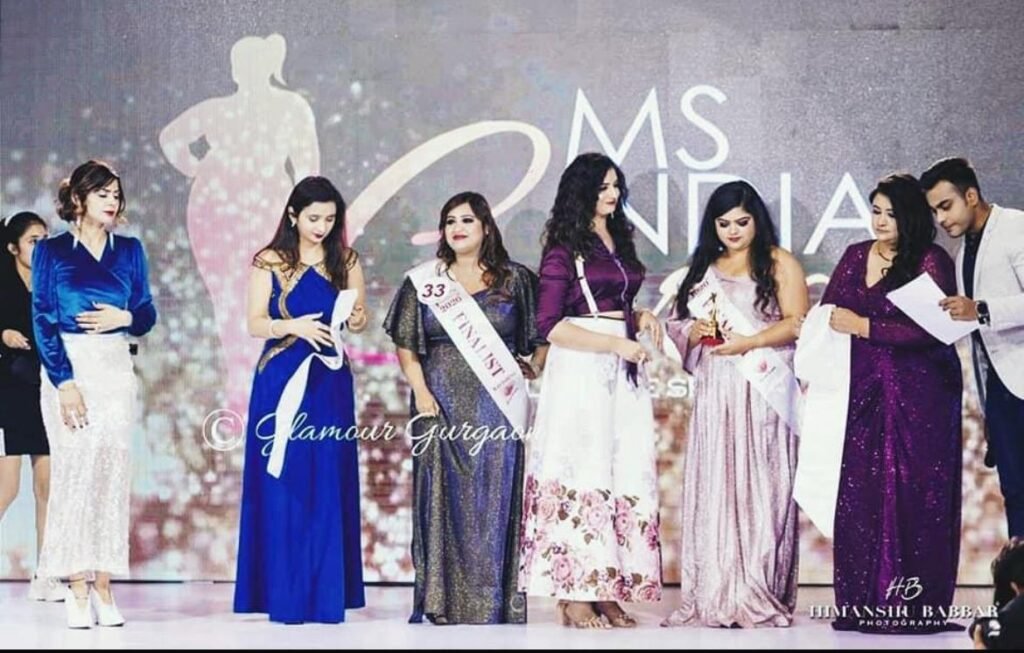
Beyond cooking Bilkis has also participated in beauty contests. She won the award for Beautiful Eyes at Mrs India Curvy Glamour Gurgaon
The Digital Beginning
During the pandemic she started a small home kitchen to help families and elderly people who needed food. At the same time she noticed how food communities were growing online. She began sharing her recipes on Instagram and Facebook and also experimented with a YouTube channel before focusing primarily on Instagram.
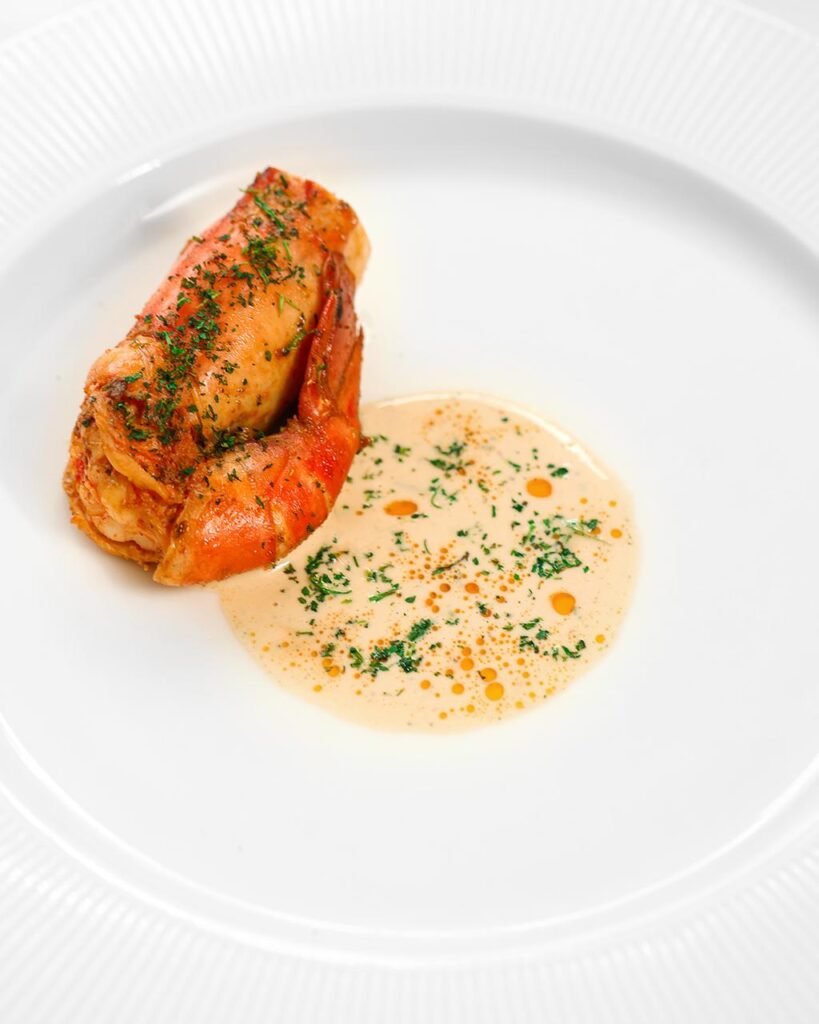
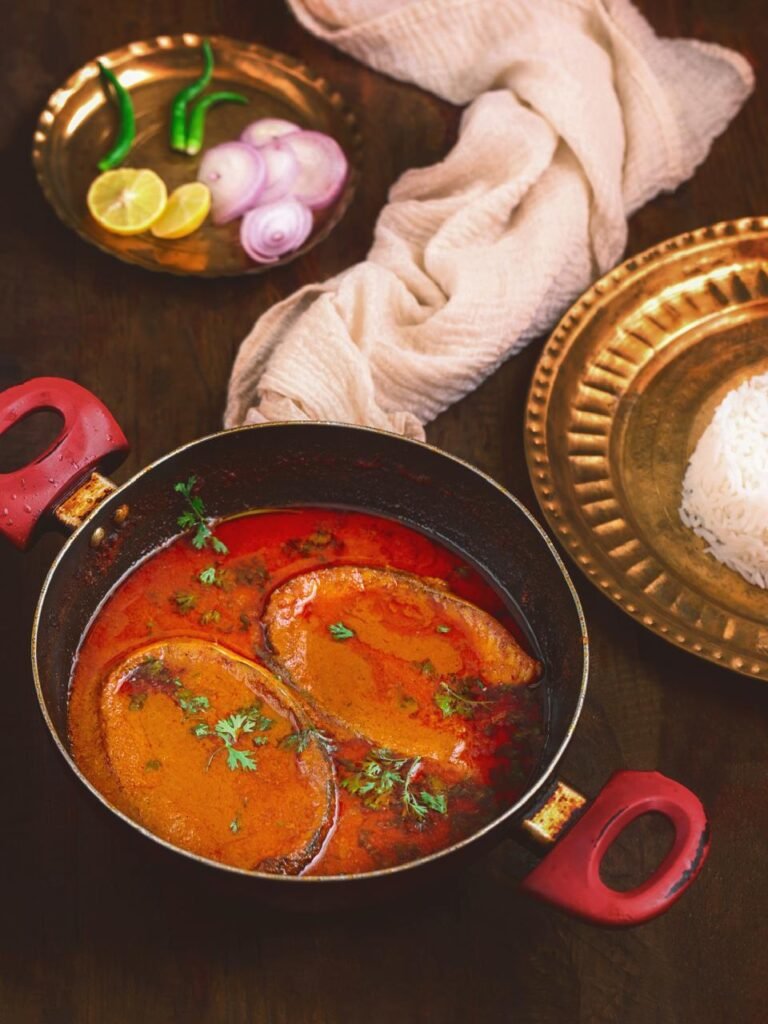
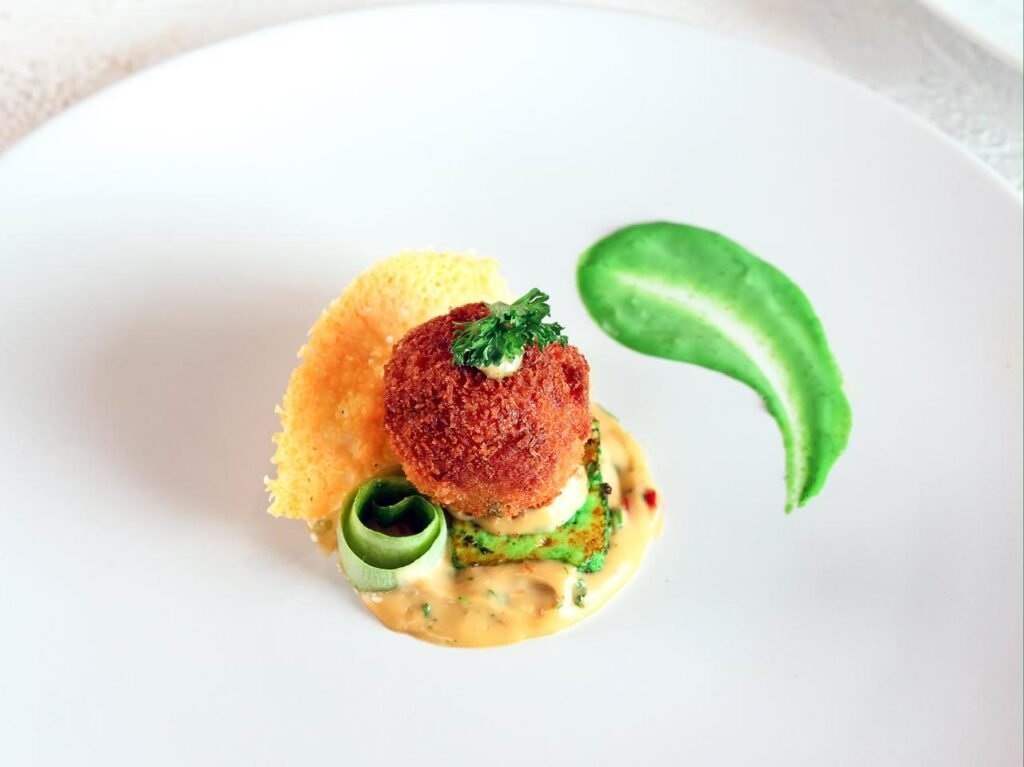
Professional photography was expensive, so she taught herself food photography, food styling, and videography. Today most of the visuals on her social media platforms are created by her. It was her way of ensuring that her food looked as beautiful as it tasted. Slowly, her digital kitchen grew into a vibrant culinary community.
A Turning Point
Her participation in several online cooking contests gradually built her confidence. Years of persistence culminated in a defining achievement winning UpperCrust 2023.
The judge at the competition was internationally renowned chef MasterChef Nooror Somany Steppe from Bangkok. Recognising Bilkis’s talent, she invited her to train at the Blue Elephant Institute in Bangkok, one of the world’s most respected Thai culinary schools. Travelling alone to Bangkok was a bold step for someone from a conservative family background. Bilkis embraced the opportunity.
The experience opened her to international culinary techniques, standards, and perspectives and remains one of the most meaningful experiences of her life. She was later featured in Layers of Love, a documentary series by Switz India celebrating self taught chefs who are shaping India’s culinary landscape through passion and cultural roots.
Chef Bilkis Khan’s story stood out as a powerful example of how home kitchens and family traditions can create a remarkable culinary voice.
The Journey Continues
Today Chef Bilkis Khan runs a home kitchen, hosts pop ups in restaurants and luxury hotels, and curates intimate supper clubs where she presents her heritage cuisine alongside the global influences she has learned along the way.
She has also worked on several culinary collaborations including:
• Creating spice blends for spice companies
• Developing flavours for a chips brand
• Curating sauces for a gourmet company
• Menu and recipe consultancy
• Culinary workshops
She has also been featured in several magazines. Alongside all this, she continues documenting and preserving her family recipes.
Pop Ups and Culinary Collaborations
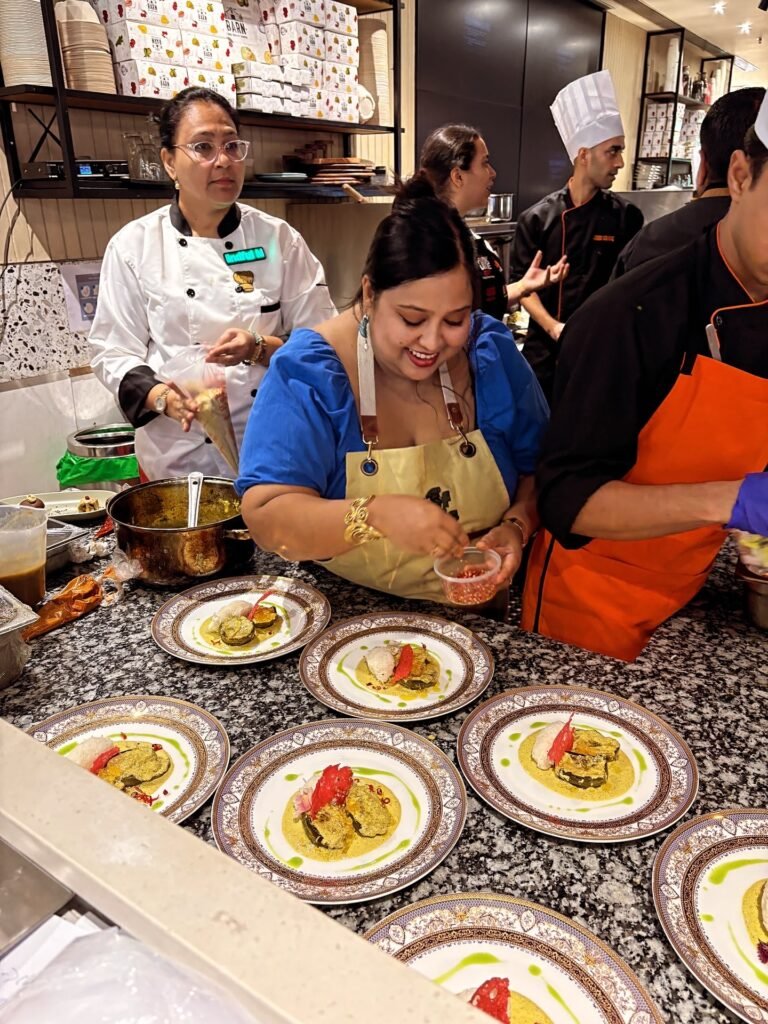
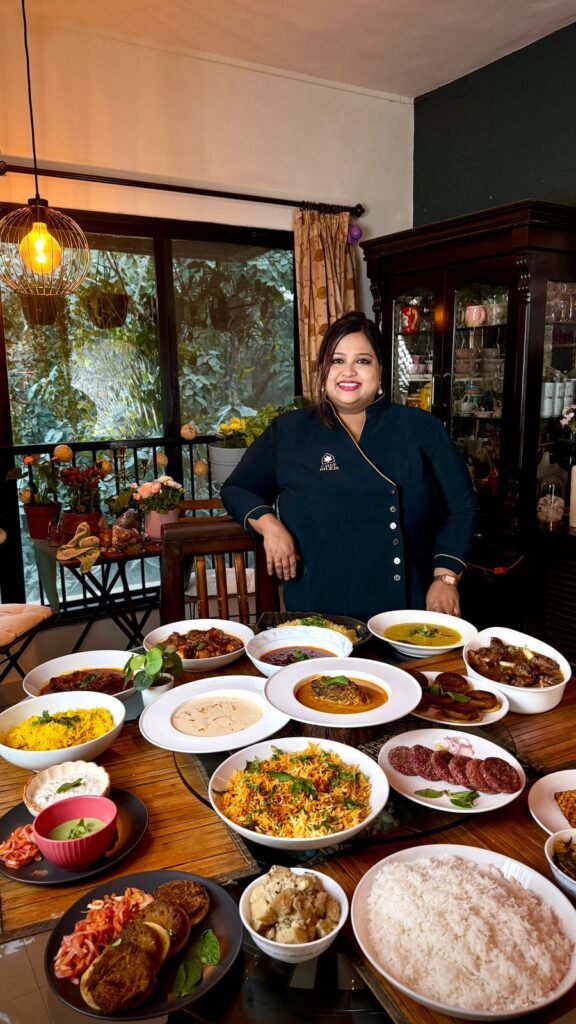
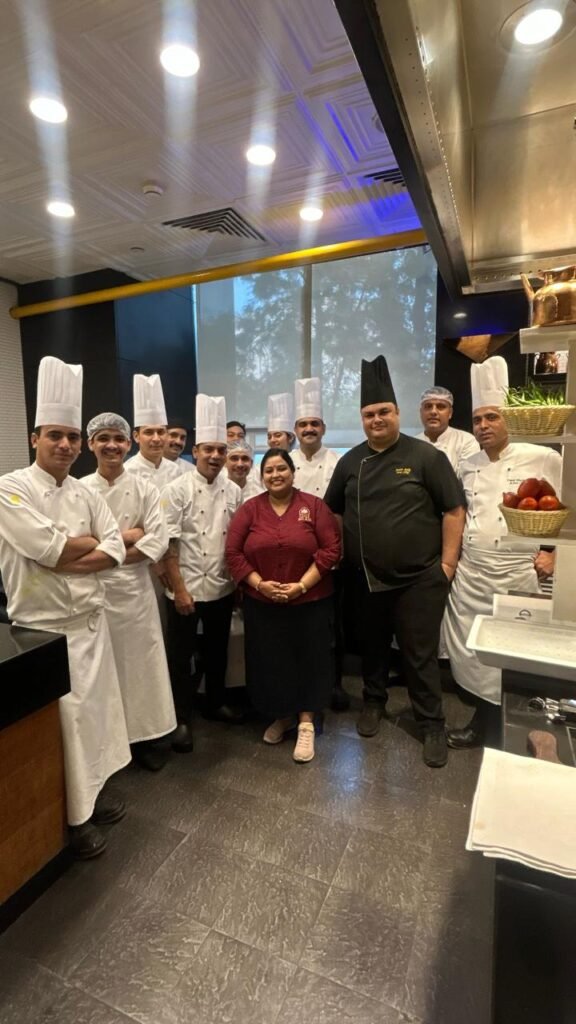
Chef Bilkis Khan presents her cuisine through curated dining experiences, pop ups, and supper clubs. Her collaborations include:
• A Diwali feast with Sorozaie
• A presentation of Rarhi and Bengali Muslim cuisine at Shangri La in association with Chef Pin
Through these experiences she introduces diners to the depth of Bengali Muslim culinary culture.
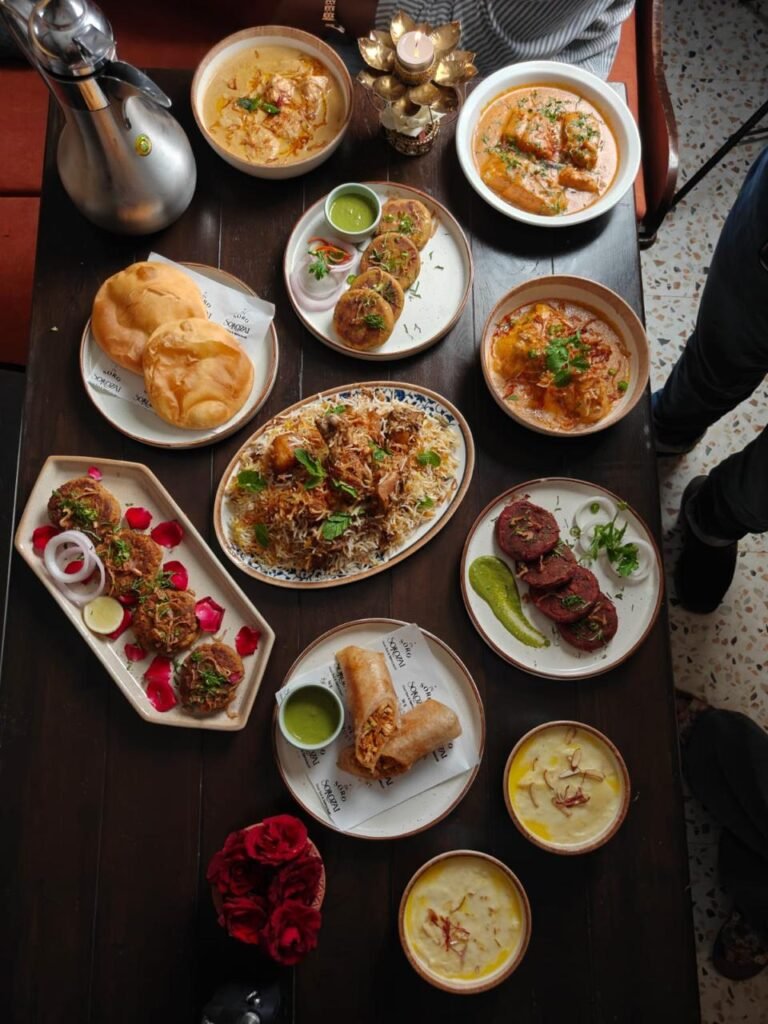
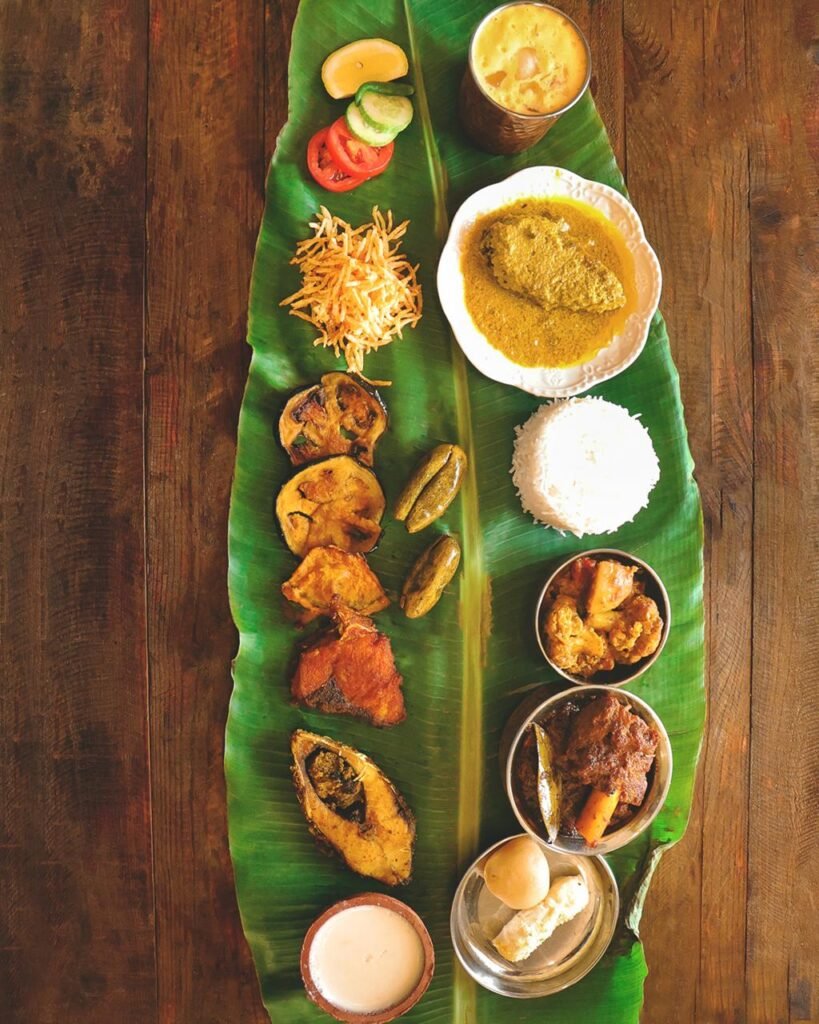
Her menus feature a rich tapestry of dishes drawn from the traditions that shape her cuisine. From fragrant biryanis and pulaos to kebabs and Mughlai Awadhi inspired curries from Kolkata, her table reflects the depth of Bengali Muslim heritage cooking. Signature dishes such as chicken chaap and mutton rezala sit comfortably alongside everyday Bengali comfort foods like aloo posto, begun bhaja, macher jhol, saag bhaja with bori, and chingri malai curry.
She also celebrates treasured heritage recipes such as bhapa ilish and shorshe ilish, bringing to life flavours that have defined Bengali kitchens for generations.
Her daughter often says her mother makes the most beautiful stews and curries in the world. Bilkis herself believes deeply in the beauty of simple, soulful cooking.
A Sweet Legacy
Desserts hold a special place in her culinary world. Her dessert repertoire reflects the warmth of traditional Bengali and Mughlai kitchens. She prepares sweets such as chana dal halwa, dimer halwa, and muscat halwa, alongside classics like payesh, firni, and different kinds of sewaiyon.
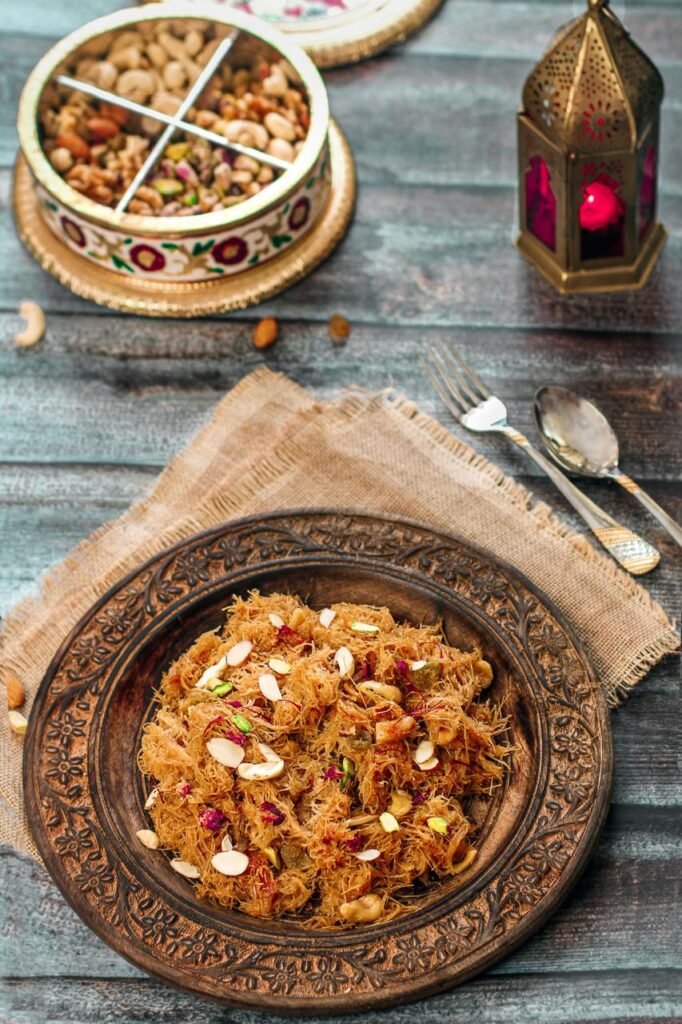
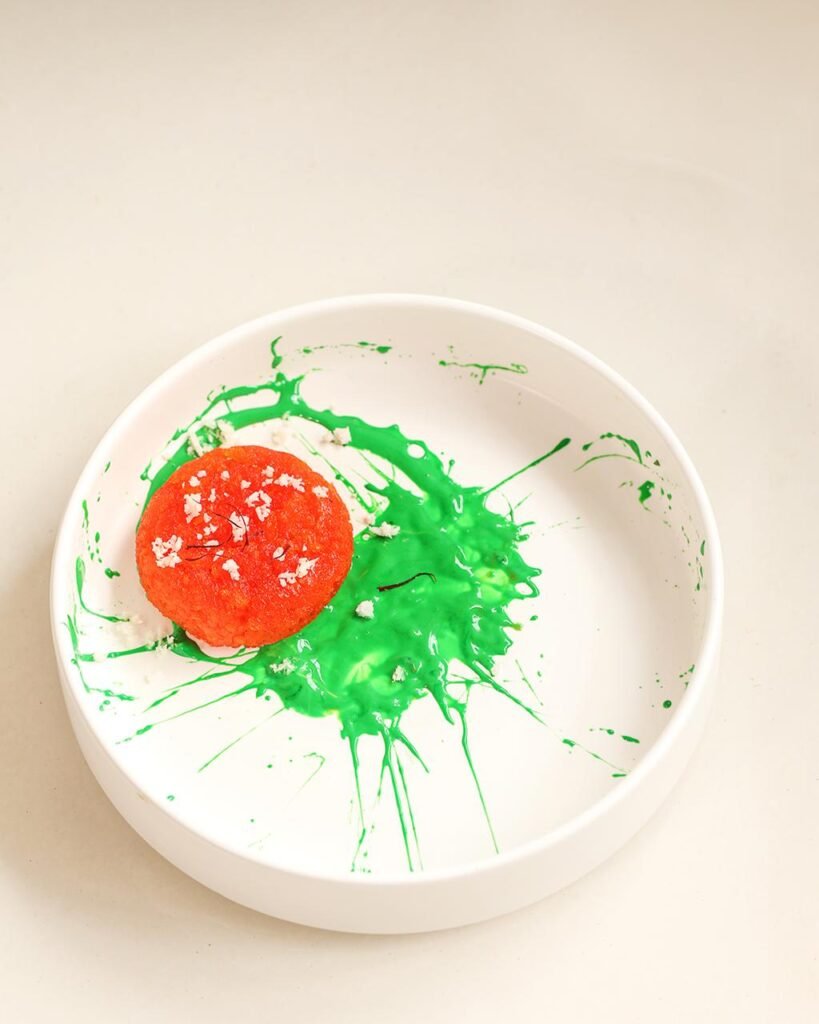
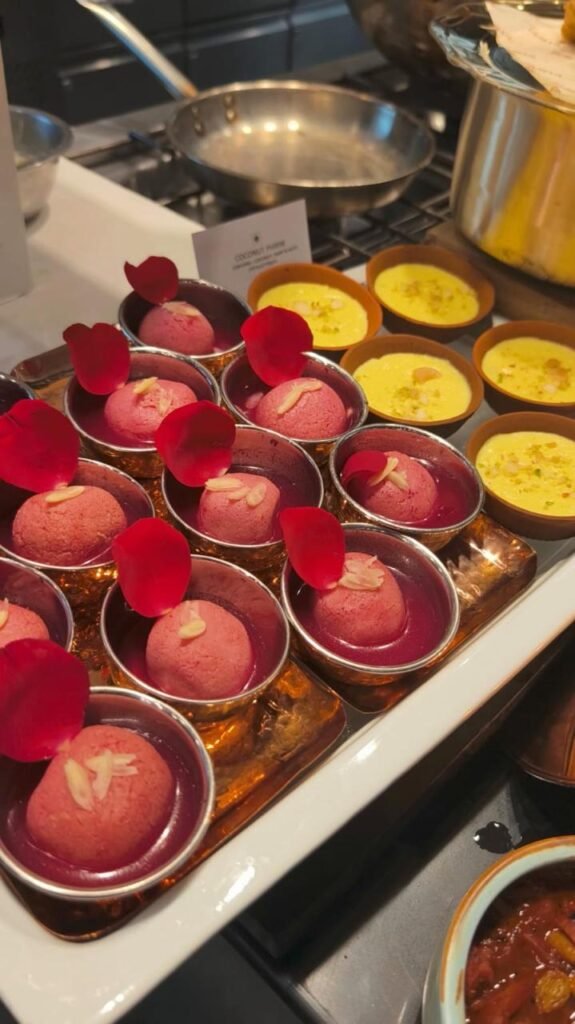
From the creamy richness of mishti doi to the seasonal delicacy of nolen gur pithe, her desserts celebrate the sweetness of heritage and home. Her coconut saffron firni has become a signature dish. She also enjoys experimenting with modern interpretations such as her rose infused rosogolla, blending tradition with innovation.
A Scholar of Food
For Bilkis, cooking is also an intellectual pursuit.
She reads extensively about culinary history and participates in research programmes that help her document food traditions accurately. She often interacts with historians and culinary scholars to better understand the origins of the dishes she cooks.
For her, cooking is not only creativity.
It is responsibility.
The Vision Ahead
Chef Bilkis Khan’s dreams extend far beyond the kitchen. At the heart of her vision is a desire to preserve and share the culinary legacy of the women who shaped her life. She hopes one day to publish a cookbook documenting their recipes while bringing Bengali Muslim cuisine to a wider audience.
Her aspirations reach further still. She dreams of creating initiatives that support homeless and underprivileged women through culinary training, helping them build confidence and independence through food. She also hopes to deliver TED Talks encouraging women to pursue their passions no matter how late in life or how difficult the circumstances.
Another dream close to her heart is to be part of a culinary show where she can represent Bengali Muslim cuisine while exploring the stories and traditions behind the dishes. As a Muslim woman chef, Bilkis hopes her journey will inspire other women to step forward and share their culinary knowledge with the world.
Her path has not always been easy. Cultural expectations, interruptions in formal education, and a life of constant relocation shaped her journey. Yet through it all she held firmly to her passion for cooking.
Today she moves forward not only as a chef but as a voice for the women of her family whose recipes shaped her life. For Bilkis Khan, cooking is far more than a profession. It is memory, heritage, prayer, and a promise to carry forward the stories of those who came before her. And this, perhaps, is only the beginning.








Bilkis’s journey is beautifully portrayed, and the way her skills shine through gives such an honest, powerful picture of her talent. The food she creates doesn’t just look delicious to the eyes it feels nourishing to the soul. Best wishes